
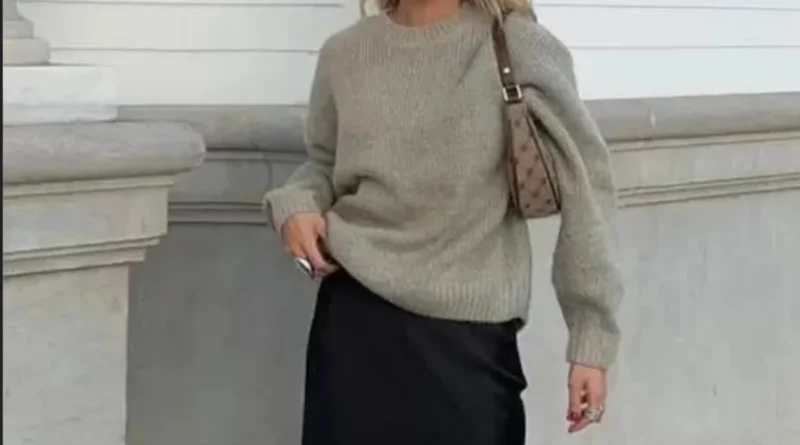
Can Fall Outfit Ideas Extend the Life of Your Summer Wardrobe Until December
Transitional Styling: How to Keep Your Summer Favorites in Rotation Until December
Transitional styling has turned into a key part of how people plan their clothes now. It helps both workers and regular buyers keep using their summer pieces deep into the colder months. They do this without giving up comfort or looks. The main tricks involve smart layers, small shifts in tones, and smart fabric mixes. These steps match the weather changes and also fit with ideas about clothes that last longer. This way of dressing cuts down on waste and fits the move toward keeping items longer instead of buying new ones all the time.
The Concept of Transitional Styling
Wardrobe shifts between seasons are not only about the temperature anymore. They show a new way of thinking about clothes that makes better use of what you already own. Experts in fashion now see each item as part of a system that can change through the months. It is not just something for one time of year.
Understanding Seasonal Wardrobe Transitions
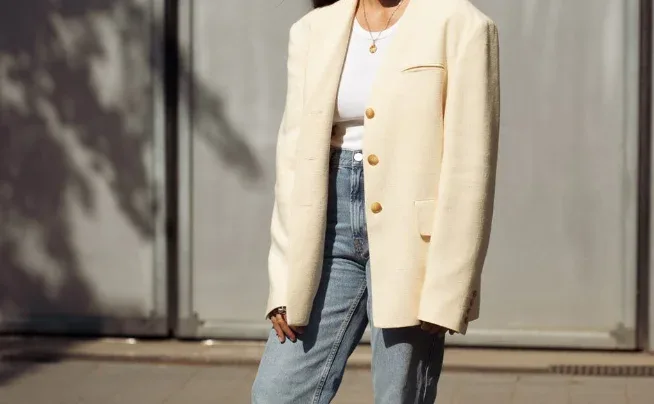
This style of dressing aims to stretch summer clothes into fall and the start of winter. It does so by mixing light fabrics with warmer covers. A linen shirt, for example, can go under a wool blazer. Cotton dresses work again with tall boots or thick tights. The layers, the mix of fabrics, and the tone changes give both balance to the eye and real warmth. This also backs up ideas about using less and finding new ways to wear old things. Many people find it saves money too when they try it on a few favorite pieces from last summer.
Evaluating Fabric and Construction for Seasonal Adaptability
The fabric you pick decides how well a summer item moves into cooler days. Light cottons and linens mix well with warmer stuff like cashmere or flannel. Stronger pieces such as tailored shorts or sleeveless blazers hold up when you put a turtleneck or thin knit under them. How the material handles damp air and temperature swings matters a lot. It keeps the shape and feel right as the weather turns. Some fabrics hold up better after years of this kind of use, based on what tailors see in their shops.
Adapting Summer Staples for Fall Weather
Moving summer items into fall calls for care with size, feel, and warmth. Instead of packing away light dresses or skirts, many designers suggest building layers around them. These layers can grow with the season colors in a natural way.
Layering Techniques for Warm-Weather Pieces
Layers turn light clothes into items you can wear more than one season. A dress without sleeves gains shape when you add a ribbed turtleneck underneath. Airy tops gain more interest under a big cardigan or a firm blazer. Warm tights or tall boots let summer skirts last longer while still looking put together. Each layer needs to work with the others so the whole outfit feels right and keeps you warm. Think of a simple cotton skirt from July. Pair it with socks and ankle boots by late October. The look stays clean for daily wear.
Color Palette Shifts from Summer to Fall
Color helps mark the change in a quiet but strong way. You can slowly swap bright tones for earth colors such as olive, rust, or camel. Jewel tones like emerald or sapphire also fit well. Small items like scarves often help move from one set of colors to the next. A light scarf from summer can be swapped for a deeper wool one. This keeps the flow without needing a whole new set of main pieces. It works the same way in other fields where small updates keep things useful over time.
Strategic Use of Outerwear and Accessories
Coats and small add-ons mark the step from easy summer wear to the richer feel of fall. They block the cold and also pull the lighter fabrics into the look of the new season.
Outerwear as a Bridge Between Seasons
Trench coats stand out as a top choice for moving between seasons. They are light but still give some warmth. Leather jackets bring shape and still let air move on milder days. Short blazers keep the right balance when worn with loose dresses or wide pants. Mixing smooth silk with a soft wool adds interest. This kind of mix works well on days when the weather shifts fast, like a sudden cool spell in early November.
Accessory Adaptations That Redefine Summer Outfits
Small items can change how an outfit feels for the season without touching the main clothes. Straw hats move aside for felt fedoras. Canvas bags give way to leather ones. Silk scarves turn into wool mixes. Shoes shift too. Sandals with socks or a move to ankle boots push an outfit further into December. These small swaps keep things fresh. One shopper shared how a simple belt change made her old summer dress work for holiday events without extra buys.
Sustainability Implications of Extending Wardrobe Life
Ideas about lasting clothes sit at the center of this way of dressing. Using summer items longer cuts textile waste. It lowers the carbon from making new things each season. It also pushes people toward buying with more care.
Reducing Consumption Through Seasonal Versatility
Reusing summer pieces across seasons lowers the need for new production. Wardrobe rotation helps with costs over time and builds habits of thinking before buying. This matches how good design in other areas keeps products useful for many years rather than a short run. A basic linen top from two summers ago can still look good with the right layers this fall.
The Role of Fabric Care in Longevity
How you care for clothes decides if they last through many shifts. Breathable bags for storage stop damage when items sit unused. Regular care like steaming natural fibers or fixing small seams keeps the feel and fit steady. Knowing what each material needs helps the pieces stay good for years. Some people keep a simple care card in their closet to track what works for each fabric type.
Styling Frameworks for Professionals in Fashion Design and Merchandising
People who design or sell these collections need to think ahead about what buyers want now. That includes pieces that work in more than one season, care for the planet, and look good together through the year.
Designing Collections with Transitional Intentions
Designers add parts that let clothes layer across different temperatures. Color stories move from late summer brights to softer winter tones without sharp jumps. Good collections balance new ideas with real use. This balance shows up in how parts fit together over time rather than standing alone.
Merchandising Strategies for Extended Wardrobe Cycles
Stores can draw buyers by offering guides that show how to mix old pieces across seasons. Displays that highlight easy swaps help people see new ways to wear what they own. Online posts with real outfits build trust by being open. This link between what the brand knows and what the buyer sees keeps interest steady through the year.
FAQ
Q1: How can professionals identify which summer fabrics work best for fall layering?
A: Look for fabrics that breathe but still hold up, such as cotton poplin or linen blends. These handle damp days well when you add wool or cashmere on top.
Q2: What color transitions maintain cohesion from summer to winter wardrobes?
A: Move step by step from bright whites or corals to softer neutrals like taupe or navy. This keeps things even and matches the light you see outside as months pass.
Q3: How does transitional styling support sustainable fashion goals?
A: It cuts waste by letting items serve more than one season. This avoids the quick replace cycle common in fast fashion.
Q4: Which outerwear types provide maximum flexibility during temperature swings?
A: Trench coats, short leather jackets, and light wool blazers give warmth that adjusts without adding too much bulk. They work from mild fall days into early winter cold.
Q5: Why should brands integrate cross-seasonal merchandising strategies?
A: Steady stories across collections raise the sense of worth and bring buyers back through changing sales times. This avoids spikes tied only to short trends.