
Could Mens Halloween Costumes Cross Ethical Lines After The JFK Controversy
JFK’s Grandson Calls Out Influencer Over ‘Disgusting’ Assassination Halloween Costume
The uproar surrounding an influencer’s decision to wear a costume depicting President John F. Kennedy’s assassination has reignited debate over the ethics of men’s Halloween costumes. The incident, condemned by JFK’s grandson, underscores how historical trauma and popular culture intersect in ways that test public decency. The controversy illustrates a growing demand for ethical creativity—where freedom of expression is balanced with empathy and awareness of collective memory.
Ethical Boundaries in Men’s Halloween Costumes
Halloween has long served as a mirror reflecting cultural values, humor, and taboos. Yet, the boundaries between satire, art, and disrespect remain blurred, particularly when costumes reference real tragedies or political figures.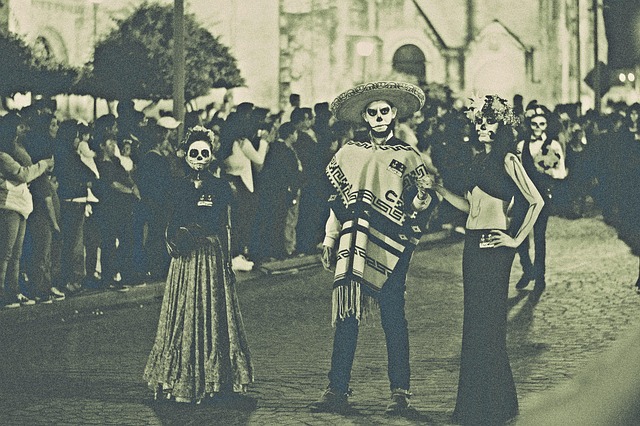
The Historical Context of Controversial Costumes
Costumes inspired by painful events often provoke public backlash because they transform suffering into spectacle. The JFK assassination stands among the most sensitive moments in American history, symbolizing not only political violence but also national grief. When such imagery is used for entertainment, it risks reopening wounds that have not fully healed. Public memory plays a decisive role here: society collectively determines what remains sacred and what can be reinterpreted through costume.
The Influence of Pop Culture on Costume Trends
Pop culture thrives on parody and exaggeration. However, viral trends can desensitize audiences to serious issues by framing them as humor or nostalgia. In recent years, influencers have amplified questionable costume choices through social media visibility, normalizing depictions that once would have been unthinkable. This feedback loop between creators and audiences contributes to a shifting moral landscape where “funny” sometimes overshadows “respectful.”
The JFK Controversy and Its Implications for Costume Ethics
The influencer’s JFK-themed outfit sparked outrage precisely because it blurred moral lines between irony and indecency. This episode reveals how modern costume culture struggles with reconciling artistic license with ethical sensitivity.
Understanding the Public Reaction to the JFK-Inspired Costume
The backlash against the assassination-themed costume reflects enduring sensitivity toward depictions of historical violence. Critics argue that such portrayals trivialize human suffering for amusement. Supporters defend them under the banner of free speech, exposing the tension between creative autonomy and moral accountability. This duality defines many modern debates about artistic expression in fashion and performance.
The Role of Influencers in Shaping Costume Morality
Influencers serve as cultural barometers; their choices often set precedents for what becomes socially acceptable. When public figures choose provocative costumes, they signal values to millions of followers—intentionally or not. Because digital platforms magnify both criticism and defense, these incidents evolve into polarized discussions about taste and decency rather than isolated missteps.
Cultural Sensitivity and Historical Representation in Costume Design
As men’s Halloween costumes become more elaborate and thematic, designers face increasing pressure to balance originality with ethical awareness. Cultural representation now carries weight beyond aesthetics; it demands historical literacy.
How Designers Navigate Ethical Considerations
Responsible designers often consult historians or ethicists when creating pieces inspired by real people or events. Such collaboration helps prevent glamorization of tragedy or violence. Ethical design frameworks emphasize empathy—acknowledging that creativity should never come at the expense of others’ pain or dignity.
Distinguishing Between Satire, Homage, and Exploitation
Not all controversial costumes are inherently unethical; intent matters deeply. Satirical designs can critique societal issues when crafted thoughtfully. Homages aim to honor rather than mock their subjects, though execution determines reception. Exploitative designs differ—they prioritize shock value or profit without considering emotional consequences.
Social Responsibility in Halloween Marketing and Consumption
Commercial forces play a major role in shaping costume trends. Retailers often exploit controversy for attention, yet this approach carries reputational risks that extend beyond short-term sales spikes.
The Commercialization of Controversy in Men’s Costumes
Shock-based marketing may generate clicks but rarely sustains brand integrity. Ethical marketing instead focuses on awareness—encouraging consumers to think critically about representation rather than provoking outrage for visibility. Brands ignoring moral considerations risk alienating audiences who increasingly value social responsibility over spectacle.
Consumer Awareness and Accountability
Consumer behavior drives market evolution as much as corporate strategy does. When buyers reject offensive designs or call out poor taste online, they influence future offerings from manufacturers and retailers alike. Conversations on social media have transformed costume selection into an act of civic reflection rather than mere festivity.
Redefining Creativity Within Ethical Boundaries
The challenge for today’s designers lies not in limiting imagination but channeling it responsibly. Creativity flourishes when guided by empathy rather than provocation.
Encouraging Innovation Without Offense
Designers can achieve originality through abstraction or conceptual themes instead of literal reenactments of tragedy. For instance, exploring symbolic representations—like peace motifs inspired by historical conflict—can convey depth without disrespecting victims or their families.
The Future of Men’s Halloween Costumes in a Socially Conscious Era
As cultural awareness deepens, men’s Halloween costumes will likely shift toward inclusivity and mindfulness. Digital discourse continues shaping norms around what is appropriate for public display. Ethical reflection may soon become part of holiday tradition itself—a subtle but meaningful evolution from imitation toward interpretation rooted in respect.
FAQ
Q1: Why did JFK’s grandson criticize the influencer?
A: He condemned the costume because it depicted his grandfather’s assassination—a national tragedy—and viewed it as disrespectful exploitation rather than creative expression.
Q2: Are historical costumes always unethical?
A: Not necessarily; context matters. Costumes honoring figures respectfully differ from those mocking or trivializing real suffering.
Q3: How can brands avoid ethical missteps during Halloween?
A: By adopting review processes involving cultural consultants or historians before releasing controversial designs.
Q4: What role do consumers play in shaping trends?
A: Consumer feedback influences production decisions; rejecting insensitive products pushes brands toward more responsible creativity.
Q5: Could ethical guidelines become standard in costume design?
A: Yes, industry bodies may soon formalize codes emphasizing respect for history and culture alongside artistic freedom.