Are Adult Costumes Appropriate for Professional Work Environments
Please Don’t Be the Adult Who Wears a Halloween Costume to Work
In professional environments, attire signals respect, competence, and alignment with workplace norms. Wearing adult costumes at work may appear playful, yet it often disrupts professional perception and blurs behavioral boundaries. While creativity has its place, most organizations value consistency and decorum over novelty. The conclusion is simple: costumes belong in celebrations, not corporate corridors.
Understanding the Context of Adult Costumes in Professional Settings
Costume culture has deep social roots. Yet when transferred into workplaces, it collides with expectations of professionalism. The tension between individuality and institutional identity defines this debate.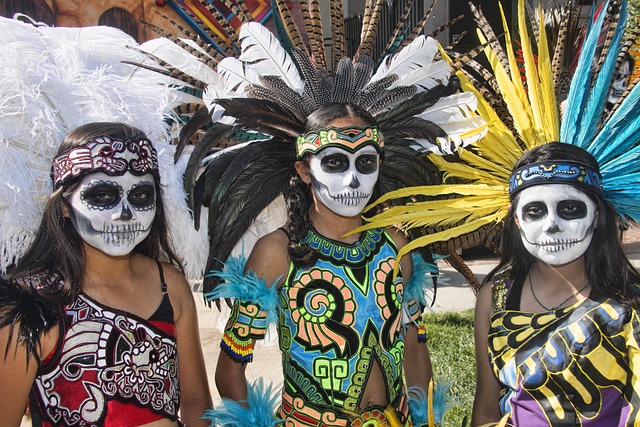
The Cultural and Social Role of Costumes
Costumes have long served as tools for creativity and identity expression. They allow adults to participate socially, signaling belonging or humor during festivities like Halloween. However, in structured environments, such expressions can be misread. What feels like harmless fun to one employee may seem frivolous or distracting to another. In many organizations, adult costumes symbolize leisure rather than productivity.
Workplace Culture and Professional Image
Corporate culture shapes how attire is perceived. In business settings where image consistency matters—such as finance or law—costumes can appear unprofessional. Attire functions as nonverbal communication; it conveys reliability and respect for shared norms. Deviating from expected dress codes risks undermining credibility among peers or clients who equate appearance with competence.
The Implications of Wearing Adult Costumes at Work
The decision to wear a costume at work is rarely neutral—it affects both individual reputation and organizational image. Whether intentional or not, such actions communicate priorities that may conflict with company values.
Professional Boundaries and Behavioral Expectations
Professionalism depends on clear boundaries between personal life and occupational behavior. Costumes blur these lines by introducing informal elements into formal spaces. When employees wear overly casual or suggestive outfits, they risk creating discomfort or distraction. Maintaining boundaries helps sustain a focused environment where respect guides interaction rather than novelty.
Perception Management and Organizational Reputation
Every employee acts as a brand ambassador. A single instance of inappropriate attire can circulate quickly through social media or client networks, damaging reputation built over years. Leadership must therefore balance inclusion—allowing some creative freedom—with the responsibility to protect institutional credibility. Companies that fail to manage these perceptions risk appearing unserious or culturally tone-deaf.
Evaluating the Appropriateness of Adult Costumes in Different Work Environments
Workplace norms vary widely across sectors. What feels acceptable in a design studio may feel disruptive in a law firm. Context determines whether costume participation enhances morale or undermines authority.
Corporate Offices and Formal Business Settings
In traditional corporate offices, conservative dress codes dominate for good reason—they project stability and trustworthiness to clients and investors alike. Wearing adult costumes here typically clashes with established expectations of professionalism. Exceptions exist only during clearly sanctioned events such as charity drives or themed celebrations where guidelines are explicit about appropriateness.
Creative Industries and Informal Workplaces
Creative fields—advertising agencies, game studios, entertainment firms—often celebrate individuality as part of their brand DNA. Here, adult costumes might align with company identity when executed tastefully and within limits. Still, moderation remains essential; even relaxed workplaces require standards that prevent misinterpretation or offense among diverse teams.
Policy Development for Costume Participation at Work
Organizations that anticipate costume-related issues benefit from proactive policy design rather than reactive enforcement. Clear rules reduce confusion while supporting inclusivity.
Establishing Clear Dress Code Policies
Effective policies specify acceptable attire during holidays like Halloween without stifling cultural expression entirely. Guidelines should address safety concerns (for example, no obstructive masks), cultural sensitivity (avoiding stereotypes), and inclusivity (ensuring all employees feel comfortable participating or opting out). Consistent enforcement prevents perceptions of favoritism that could erode trust in management decisions.
Communicating Expectations to Employees
Even the best-written policy fails if poorly communicated. Managers should discuss expectations ahead of any themed event through internal channels such as newsletters or team meetings. Visible leadership behavior sets tone; when managers model appropriate participation—perhaps wearing subtle festive accessories instead of full costumes—they reinforce cultural norms effectively. Feedback loops also help refine future guidelines based on employee sentiment.
Balancing Festivity with Professionalism in Workplace Culture
Festivity boosts morale but requires structure to avoid chaos. Organizations can preserve joy while maintaining decorum by designing celebrations that engage employees without compromising standards.
Encouraging Engagement Without Compromising Standards
Not every celebration needs costumes to succeed. Alternatives like team-building games, office décor contests, or charity fundraisers foster camaraderie without wardrobe complications. Structured activities allow participation across departments while keeping focus on collaboration rather than appearance.
Leadership’s Role in Shaping Cultural Norms
Leaders influence how traditions evolve over time more than any written rulebook does. Their choices signal what behaviors are rewarded or discouraged within company culture. When executives participate thoughtfully—showing enthusiasm yet restraint—they model how professionalism coexists with enjoyment. Over time this balance becomes self-sustaining: employees learn that celebration need not sacrifice credibility.
FAQ
Q1: Why are adult costumes considered inappropriate in most professional workplaces?
A: They often conflict with formal dress codes designed to project credibility and respect toward clients and colleagues.
Q2: Are there exceptions where wearing a costume at work is acceptable?
A: Yes, during officially approved events where guidelines clarify what styles are suitable for the occasion.
Q3: How can companies maintain inclusivity during festive seasons without encouraging costumes?
A: By organizing alternative events like charity drives or themed lunches that welcome everyone regardless of attire preferences.
Q4: What role do managers play in enforcing dress code policies?
A: Managers set examples through their conduct and ensure consistent enforcement so all employees understand expectations equally.
Q5: How can an organization prevent misunderstandings about costume participation?
A: Through clear communication before events, written policies accessible to all staff, and open feedback channels for concerns about appropriateness.