How Did 1960s Fashion Trends Redefine Modern Cultural Identity
Life and Culture in the 1960s
The 1960s reshaped global culture through radical shifts in art, politics, and fashion. It was a decade of rebellion and reinvention, where style became a language of identity. Economic prosperity after World War II fueled mass consumerism, while youth movements questioned authority and demanded freedom. This era’s fashion trends reflected social transformation—mini skirts symbolized liberation, psychedelic prints mirrored experimentation, and futuristic designs embodied technological optimism. The interplay between music, art, and design defined a new aesthetic vocabulary that continues to influence contemporary culture.
The Cultural Context Behind 1960s Fashion
The 1960s marked a turning point in how societies perceived individuality and collective identity. Post-war optimism collided with political unrest, producing a generation eager to express itself through clothing.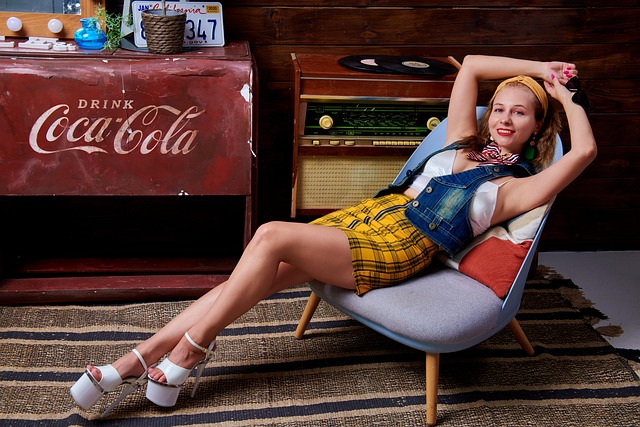
Post-War Social Shifts and Their Influence on Style
The decade witnessed a clear departure from conservative post-war norms toward personal expression. Youth movements across Europe and America challenged established hierarchies, rejecting the rigid gender roles of the previous generation. Economic growth allowed more people to access fashionable clothing, democratizing style beyond elite circles. Ready-to-wear collections replaced couture exclusivity, allowing self-expression to flourish among ordinary consumers.
The Role of Media and Globalization in Spreading Trends
Television and glossy magazines accelerated the spread of new aesthetics. British pop culture—especially through figures like The Beatles—transcended borders, influencing hairstyles, tailoring, and attitudes. American cinema amplified this effect by exporting images of modernity worldwide. As trade expanded, cross-cultural exchange introduced Indian prints, African textiles, and Eastern silhouettes into Western wardrobes, transforming global fashion identities.
Key Aesthetic Movements That Defined the Decade
Fashion in the 1960s cannot be separated from its artistic movements or political climate. Each trend reflected deeper cultural narratives about freedom, technology, and authenticity.
The Mod Movement and Urban Modernity
Emerging from London’s energetic youth scene, the Mod style embraced geometric patterns, sharp tailoring, and bold color contrasts. Carnaby Street became an emblem of urban cool—a physical stage for rebellion against conformity. Designers such as Mary Quant revolutionized women’s wear with the mini skirt, which became both a fashion statement and a symbol of female autonomy.
The Hippie Counterculture and Bohemian Expression
In contrast to urban minimalism, hippie fashion celebrated natural fabrics and handcrafted details. Garments drew inspiration from non-Western cultures—embroidered tunics from India or ponchos from Latin America—signifying global awareness. Clothing served as protest: rejecting consumerism while embracing authenticity. Psychedelic colors mirrored the experimental mindset fostered by music festivals like Woodstock.
Space Age Fashion and Technological Optimism
Designers André Courrèges and Pierre Cardin captured society’s fascination with progress through futuristic designs made from PVC, metal mesh, and reflective fabrics. Minimalist cuts mirrored architectural precision while evoking visions of interplanetary travel. These garments blurred boundaries between science fiction imagery and wearable art—an embodiment of humanity’s faith in innovation during the Space Race era.
Gender, Identity, and the Politics of Dress
Fashion in the 1960s became deeply political—it questioned not just what people wore but who they could be within society’s structures.
Redefining Femininity Through Fashion Innovation
Shorter hemlines represented more than aesthetic change; they symbolized independence from patriarchal expectations. Women began using clothes to assert presence in workplaces and public life previously dominated by men. The rise of ready-to-wear collections made avant-garde design accessible to wider audiences, reinforcing equality through affordability.
Masculine Styles in Transition
Men’s wardrobes diversified dramatically during this decade. Beyond traditional suits came colorful shirts, slim-cut trousers, velvet jackets—and longer haircuts that defied convention. The so-called “Peacock Revolution” encouraged men to experiment with pattern and texture as self-expression rather than vanity. Subcultures such as Mods or Rockers used clothing to define belonging while maintaining distinct visual codes.
The Intersection of Music, Art, and Fashion Identity
The synergy between creative disciplines defined 1960s cultural energy. Music shaped fashion just as much as fashion influenced performance aesthetics.
Musicians as Cultural Style Icons
Bands like The Beatles evolved their image alongside their sound—from tailored suits to bohemian ensembles—setting trends across continents. Festivals such as Monterey Pop or Woodstock turned stages into showcases for experimental dressing where fringe vests met tie-dye shirts. Performers blurred lines between costume design and daily wear; their looks became aspirational templates for youth worldwide.
Artistic Movements Shaping Visual Aesthetics
Pop Art redefined visual culture with its vibrant imagery drawn from advertising and comic books. Designers integrated similar motifs into fabric prints—bold dots reminiscent of Roy Lichtenstein or vivid color blocks echoing Andy Warhol’s palette. Collaborations between artists and designers expanded conceptual boundaries: fashion became an artistic medium rather than mere utility.
Legacy: How 1960s Fashion Continues to Shape Modern Cultural Identity
Though decades have passed, traces of 1960s design philosophy remain visible in today’s collections—from sustainable reinterpretations to digital revivals.
Enduring Influence on Contemporary Design Philosophy
Modern designers revisit classic silhouettes like A-line dresses or shift coats but reinterpret them using eco-friendly materials or AI-assisted tailoring techniques. Cyclical revivals highlight how timeless those forms remain within current collections by major houses such as Dior or Prada. The spirit of experimentation born in that decade still drives creative industries today—from virtual fashion shows to gender-neutral capsules.
From Subculture to Mainstream: Lasting Social Impact
The social ideals embedded in 1960s fashion—gender fluidity, anti-establishment values, self-expression—continue shaping streetwear culture globally. Sneakers paired with tailored blazers echo that mix of rebellion and refinement first seen among Mods half a century ago. More broadly, clothing remains both mirror and instrument of social change—a way societies negotiate identity through material form.
FAQ
Q1: Why did 1960s fashion trends become globally influential?
A: Because media expansion through television and film rapidly transmitted Western styles worldwide while economic prosperity allowed mass adoption across classes.
Q2: What made Mary Quant significant in fashion history?
A: She popularized the mini skirt as both an aesthetic innovation and a feminist statement redefining women’s mobility.
Q3: How did music influence clothing choices during this decade?
A: Musicians acted as trendsetters whose evolving styles reflected cultural shifts; fans mirrored these looks as expressions of belonging.
Q4: What technological factors shaped Space Age fashion?
A: Advances in synthetic materials like PVC enabled futuristic designs inspired by aerospace engineering during the Space Race period.
Q5: How does 1960s style continue affecting modern designers?
A: Contemporary creators draw on its legacy of experimentation—merging vintage silhouettes with sustainability principles for today’s audiences seeking individuality over conformity.