
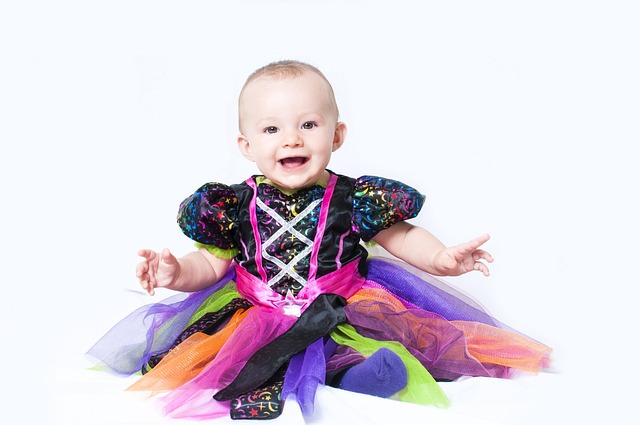
What Makes a Toddler Halloween Costume Stand Out in 2026 Trends
Cute and Creative 2026 Halloween Costume Ideas for Kids and Families
The 2026 toddler Halloween costume market is moving toward a blend of creativity, sustainability, and technology. Designers are merging nostalgic aesthetics with modern functionality, ensuring costumes are not only charming but also safe, inclusive, and eco-conscious. Parents increasingly seek designs that can adapt to multiple uses, reflect cultural diversity, and integrate smart features for interactivity. The next wave of toddler costumes will emphasize tactile comfort, modularity, and ethical production while keeping the spirit of play alive.
Emerging Aesthetic Directions for Toddler Halloween Costumes in 2026
The creative direction of toddler Halloween costumes in 2026 reflects broader cultural shifts. Designers are drawing from digital entertainment, sustainable values, and classic narratives to create looks that resonate across generations.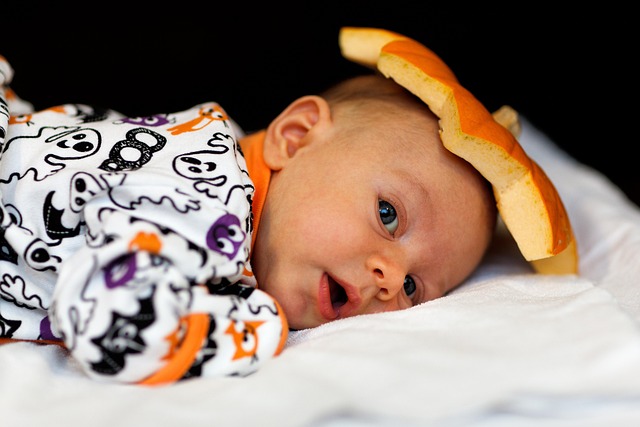
Shifts in Design Inspiration and Cultural Influence
Pop culture remains a dominant force. Streaming media characters from animated series or viral digital content inspire many toddler costume themes. Yet parents also favor nostalgia—storybook heroes and fairy-tale figures reimagined with modern details like pastel armor or eco-friendly tulle. Sustainability plays a role too; recycled trims or plant-based dyes add authenticity to these designs while promoting environmental awareness.
Color Palettes and Fabric Innovations
Color trends lean toward warmth and inclusivity: muted oranges, sage greens, dusty blues, and soft neutrals dominate collections. Gender-neutral palettes replace traditional pink-and-blue divides. Fabrics are evolving as well—designers use sensory-friendly materials such as brushed cotton blends or bamboo jersey that allow toddlers to move freely without irritation. Reflective threads or glow-in-the-dark appliqués improve nighttime visibility during trick-or-treating.
Sustainability and Ethical Production in Costume Design
Eco-responsibility is now central to design ethics. Parents expect transparency about sourcing and manufacturing processes.
Sustainability and Ethical Production in Costume Design
The growing awareness of environmental impact has reshaped how toddler Halloween costumes are conceived and produced. Brands are transitioning from disposable synthetics toward long-lasting materials that align with global sustainability goals.
Eco-Friendly Materials and Manufacturing Processes
Biodegradable textiles like organic cotton, bamboo fiber, or recycled polyester are replacing petroleum-based fabrics. Natural pigmentation methods reduce chemical dye use while adding subtle tonal variation that feels artisanal rather than mass-produced. Localized production networks shorten supply chains, lowering carbon emissions associated with global shipping.
Reusability and Modular Design Concepts
Costumes designed for reusability serve both economic and ecological purposes. A cape from a superhero outfit can double as part of a winter play ensemble; detachable wings or hoods allow parents to refresh the look each year without buying new pieces entirely. Adjustable waistbands or snap panels extend garment life as toddlers grow—a small innovation with big environmental payoff.
The Role of Technology in 2026 Toddler Costume Innovation
Digital tools now influence every stage of costume creation—from concept visualization to interactive wearables.
The Role of Technology in 2026 Toddler Costume Innovation
Technology has become an invisible thread weaving through modern costume design. Smart textiles and digital customization platforms redefine how parents shop and how children experience play.
Smart Textiles and Interactive Features
Lightweight sensors embedded within fabrics create motion-reactive lighting effects when toddlers run or dance. Some designs include gentle sound triggers linked to movement—like soft chimes when arms lift—to enhance sensory play without overstimulation. Washable electronic modules ensure safety standards remain intact while maintaining durability through repeated cleaning cycles.
Digital Customization Platforms for Parents and Designers
Online configurators let parents preview fit, color combinations, or accessories before ordering a costume. Independent creators collaborate with larger retailers through shared digital marketplaces, expanding access to niche aesthetics once limited to boutique studios. Meanwhile, 3D printing enables custom embellishments such as crowns or animal ears tailored precisely to a child’s measurements.
Balancing Safety, Comfort, and Creativity in Toddler Costumes
As innovation accelerates, safety considerations remain paramount within the design process.
Balancing Safety, Comfort, and Creativity in Toddler Costumes
Parents prioritize comfort just as much as visual appeal when selecting a toddler Halloween costume. Manufacturers must balance playful imagination with strict compliance standards.
Safety Standards Guiding Costume Development
Flame-retardant regulations continue evolving under international textile safety frameworks such as ISO 14184-1 for chemical testing compliance. Non-toxic dyes prevent allergic reactions on sensitive skin, while reinforced stitching avoids choking hazards from loose parts. Visibility elements—reflective trims or LED accents—support safer evening activities during community events.
Designing for Mobility and Sensory Sensitivity
Toddlers require freedom of movement; thus lightweight construction takes precedence over rigid structure. Designers avoid abrasive seams or tight closures that could irritate delicate skin. For children with sensory sensitivities, seamless linings or tag-free interiors reduce discomfort while maintaining aesthetic integrity.
Influences from Broader Fashion Movements on Toddler Costumes
Fashion cycles increasingly blur between adult couture trends and miniature adaptations suitable for toddlers.
Influences from Broader Fashion Movements on Toddler Costumes
Toddler fashion often mirrors broader style movements but adapts them into softer forms suited for comfort and playfulness.
Miniaturization of Contemporary Fashion Trends
Adult fashion’s minimalist silhouettes inspire simplified toddler versions—think monochrome jumpsuits accented by whimsical textures like faux fur cuffs or embroidered patches. Layering techniques borrowed from high-fashion styling appear in multi-piece costumes where vests overlap tunics or capes drape over bodysuits.
Cross-Cultural Inspirations in Costume Themes
Designers incorporate motifs from diverse cultures respectfully—Japanese kimono sleeves reinterpreted as butterfly wings or West African prints transformed into superhero patterns celebrating heritage rather than caricatured mimicry. This approach fosters cultural appreciation among families seeking representation through their children’s attire.
Market Dynamics Shaping the 2026 Toddler Costume Industry
Consumer preferences evolve rapidly under social media influence and generational shifts among parents.
Market Dynamics Shaping the 2026 Toddler Costume Industry
By 2026, millennial and Gen Z parents dominate purchasing decisions for toddler costumes. Their expectations differ sharply from previous generations—they value authenticity over mass production.
Consumer Behavior Among Millennial and Gen Z Parents
These parents research ethical sourcing before purchase decisions. They follow social media influencers who promote limited-edition collaborations between designers and sustainable brands. Viral trends can spark overnight demand for niche themes like eco-fairies made entirely from upcycled fabric scraps.
Retail Strategies Supporting the Next Generation of Costume Brands
Direct-to-consumer platforms thrive by offering personalization at scale—parents can tweak sizes or colorways via augmented reality try-on tools before checkout. Strategic partnerships between toy manufacturers, entertainment studios, and apparel designers produce cohesive themed collections where costumes double as collectible memorabilia after Halloween night ends.
FAQ
Q1: What materials will dominate toddler Halloween costumes in 2026?
A: Organic cotton blends, bamboo fibers, and recycled polyester will lead due to their softness, breathability, and reduced environmental footprint compared with synthetic fabrics.
Q2: How does technology improve costume safety?
A: Motion-reactive lights enhance visibility during evening activities while washable electronic components comply with child safety standards established by international regulatory bodies such as IEC guidelines for wearable electronics.
Q3: Why is modular design gaining popularity?
A: Modular pieces let parents reuse parts across seasons—saving money while cutting waste—and allow easy resizing as toddlers grow quickly year to year.
Q4: Are gender-neutral designs becoming mainstream?
A: Yes. Brands increasingly adopt inclusive palettes like sage green or sand beige that appeal universally rather than reinforcing traditional color stereotypes.
Q5: How do retailers engage tech-savvy parents?
A: They employ augmented reality fitting rooms online where shoppers visualize how a toddler Halloween costume looks before purchase—a feature particularly valued by millennial buyers seeking convenience without compromising creativity.