Are Good Halloween Costumes Shaped by Social Media Trends Today
Social Media Fuels a Rise in Unique Halloween Costumes
The digital age has turned Halloween into a stage for creativity, competition, and cultural commentary. Social media platforms now shape what counts as good Halloween costumes, shifting focus from tradition to trend. Viral challenges, influencer showcases, and algorithmic feeds influence costume choices more than local customs ever did. The result is a globalized, image-driven celebration where humor, irony, and shareability define success. Halloween has evolved into both an art form and a social performance—one that mirrors the pace and personality of online culture.
The Intersection of Social Media and Modern Halloween Culture
The relationship between social media and Halloween is no longer casual. Online visibility drives costume innovation, while viral cycles redefine what creativity means in festive expression.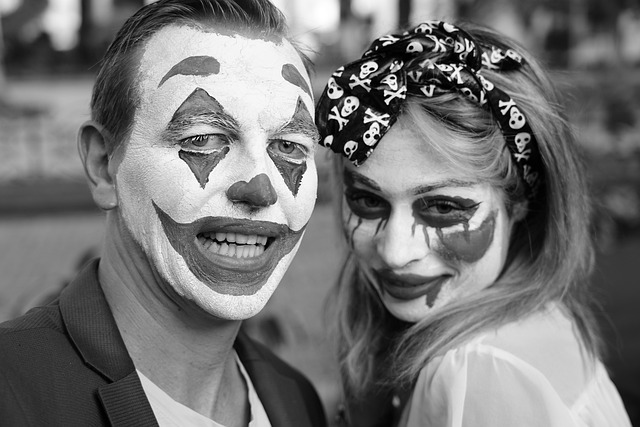
The Evolution of Halloween Costumes in the Digital Era
Traditional costumes once drew from folklore or film classics. Today’s designs emerge from trending memes or viral moments. A decade ago, witches and vampires dominated; now, costumes inspired by internet sensations or streaming hits take center stage. Online visibility has redefined “good” costumes as those that photograph well and resonate with followers. Viral content pushes creators to innovate faster, often turning one-night outfits into global sensations overnight.
The Influence of Platform-Specific Trends
Each platform sets its own tone for inspiration. TikTok thrives on short-form trends—costume transitions or group challenges can spark millions of replications within days. Instagram favors polished aesthetics: coordinated color palettes, cinematic lighting, and curated captions elevate even simple looks into shareable art. Meme culture accelerates this cycle further, compressing months of trend evolution into weeks. Influencers amplify it by showcasing their creations early, shaping expectations for what’s considered stylish or relevant that year.
Defining “Good” Halloween Costumes in a Socially Connected World
Social connectivity reshapes creative standards. What once mattered was personal flair; now engagement metrics define success.
Criteria for a “Good” Costume in the Age of Virality
A good Halloween costume balances originality with recognizability—it must be clever but clear enough for instant identification online. Humor and irony play critical roles because audiences reward wit through shares and comments. Cultural relevance adds another layer: referencing current events or entertainment icons ensures resonance across digital communities. Engagement metrics—likes, saves, duets—serve as validation tools that measure creative impact beyond physical gatherings.
The Shift from Personal Expression to Public Performance
Costumes have become vehicles for online identity construction. Posting an outfit isn’t just sharing—it’s performing for an audience that evaluates taste, timing, and creativity simultaneously. Likes and comments act as social currency, rewarding those who align with platform culture. Yet this shift introduces tension between authenticity and performative participation; some users prioritize virality over personal meaning, blurring lines between self-expression and strategy.
The Role of Influencers and Content Creators in Costume Trends
Influencers operate as cultural intermediaries during Halloween season. Their reach transforms niche ideas into mainstream phenomena.
Influencer Marketing and Trend Propagation
Influencers set aesthetic standards by curating themed photoshoots or tutorials weeks before October 31st. Collaborations between brands and creators merge fashion marketing with festive culture—limited-edition collections sell out quickly when paired with viral campaigns. This creates a feedback loop: audiences imitate influencer styles, which reinforces brand visibility while narrowing creative diversity among followers.
Viral Costumes as Cultural Commentary
Many viral costumes double as social critique or satire. Outfits referencing political memes or celebrity controversies turn humor into commentary on collective memory. Parody remains central to modern costume design because it reflects how digital communities process pop culture events collectively—and often irreverently—through shared humor.
Technology’s Role in Costume Ideation and Dissemination
Technology doesn’t just spread trends; it shapes them at their core through algorithms and creative tools that guide user behavior.
Algorithms as Cultural Curators
Recommendation systems determine which costume ideas gain traction by promoting visually striking content over subtle designs. Data-driven personalization exposes users to looks aligned with their browsing habits, influencing creativity subconsciously. Algorithmic bias favors humor or spectacle since these generate higher engagement rates—thus dictating what style dominates each year’s celebrations.
Digital Tools Enhancing Costume Design and Presentation
AI-based image generators help visualize concepts before materials are purchased, saving time for designers seeking precision or novelty. Augmented reality filters let users preview potential looks virtually before crafting them physically—a bridge between imagination and execution. Editing software refines presentation quality so even amateur creators can produce professional-level posts that thrive on visual platforms like Instagram Reels or YouTube Shorts.
Sociocultural Implications of Trend-Based Costume Creation
As digital platforms globalize aesthetics, they also raise ethical questions about originality, sustainability, and cultural respect within costume design.
Globalization of Aesthetic Standards Through Social Media Networks
Social media accelerates cross-cultural borrowing: Japanese anime characters appear at American parties while Western superheroes trend across Asia. Yet this interconnectedness risks homogenization—distinct traditions blur under global trends dominated by Western pop imagery. Ethical debates around cultural appropriation intensify when viral costumes misrepresent sacred symbols or identities for entertainment value.
Sustainability and Consumer Behavior Patterns Around Halloween Fashion
Fast-fashion retailers exploit short-lived trends by mass-producing low-cost costumes that often end up discarded after one wear. In response, DIY movements grow stronger each year as eco-conscious consumers repurpose thrifted materials or craft handmade alternatives to counter disposable culture. This shift hints at a future where sustainability becomes integral to seasonal creativity rather than an afterthought.
Future Directions: Predicting the Next Phase of Halloween Costume Evolution Online
Halloween’s next chapter lies at the intersection of physical craft and digital expression—a hybrid experience shaped by emerging technologies.
Anticipating New Forms of Digital Influence on Costume Culture
Virtual avatars may soon replace physical disguises in metaverse spaces where users attend digital parties wearing NFT-based outfits exclusive to online environments. AI-curated trend forecasting could guide consumers toward personalized costume suggestions based on browsing history or style preferences. Hybrid celebrations will likely blend augmented reality overlays with real-world attire—turning every smartphone camera into part of the performance itself.
FAQ
Q1: How has social media changed traditional Halloween customs?
A: It has shifted focus from local traditions toward global trends driven by viral content, encouraging participants to design visually engaging costumes suited for online sharing rather than neighborhood gatherings.
Q2: What defines good Halloween costumes today?
A: Good costumes combine originality with recognizability while appealing to humor and current cultural themes—they must also photograph well to succeed across visual platforms.
Q3: Do influencers really shape public taste during Halloween?
A: Yes, influencer showcases often dictate seasonal aesthetics through brand collaborations that merge fashion marketing with holiday celebration culture.
Q4: Is technology improving or limiting creativity in costume design?
A: Both—it enhances visualization through AI tools but can limit diversity when algorithms repeatedly promote similar high-engagement styles.
Q5: Are sustainable practices gaining ground in modern Halloween fashion?
A: Growing awareness around waste has inspired many participants to favor DIY creations or reusable pieces over fast-fashion purchases tied to fleeting trends.