Is Clothing In The 80s Defining How New Gens Interpret Retro Fashion Today
New Gens Are Embracing ’80s Fashion and Gen X Is Having a Blast With It
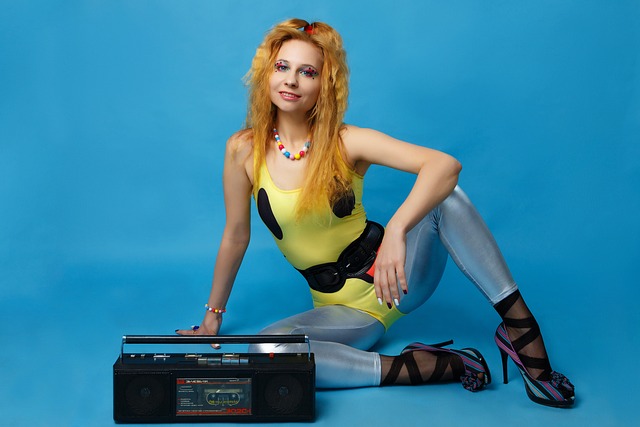
The revival of clothing in the 80s has become one of the most striking phenomena in modern fashion. What began as nostalgic styling has evolved into a full-fledged cultural movement, merging vintage silhouettes with digital-age reinterpretations. Younger generations are not merely copying the past; they are reframing it through sustainability, inclusivity, and creativity. Meanwhile, Gen X finds joy in seeing its formative style years re-emerge with new relevance. This cross-generational exchange has turned 1980s aesthetics into a shared language of confidence, rebellion, and identity.
The Resurgence of 1980s Fashion in Contemporary Style
The modern fascination with clothing in the 80s extends beyond surface-level trends. It reflects a deeper conversation between past and present values—between analog expression and digital reinvention.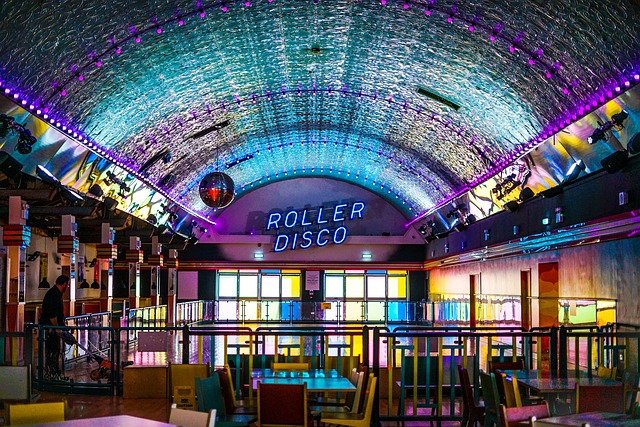
The Cultural Context of 1980s Clothing
The 1980s were marked by bold silhouettes, vivid colors, and expressive individuality. Power dressing symbolized ambition during an era of economic expansion, while streetwear mirrored urban energy and youth culture. Glam aesthetics—sequins, metallic fabrics, and oversized accessories—celebrated excess as a form of self-expression. Music videos on MTV shaped global fashion ideals as technology began influencing how people consumed style.
Why Modern Generations Are Revisiting the 1980s Aesthetic
Today’s revival is fueled by nostalgia-driven digital culture. Social media platforms amplify retro visuals through filters and curated feeds that make vintage aesthetics instantly shareable. Fashion cycles naturally revisit past decades to reinterpret them through modern eyes, blending memory with innovation. For Gen Z, ’80s fashion offers authenticity—a tangible sense of rebellion that contrasts with algorithmic uniformity.
Key Elements of 1980s Clothing Reinterpreted Today
Modern designers are not simply replicating clothing in the 80s; they are reconstructing it for new social dynamics and sustainability goals.
The Return of Oversized Silhouettes and Power Dressing
Structured shoulders have returned but now appear in gender-neutral tailoring that dissolves old boundaries between masculine and feminine dress codes. Oversized blazers paired with minimalist cuts create balance between authority and ease. Designers like Balenciaga and Alexander McQueen use exaggerated forms to project confidence without aggression—a subtle shift from corporate dominance to personal empowerment.
Neon Colors, Metallics, and Graphic Statements in Modern Contexts
Vibrant hues once associated with aerobics gear or pop concerts now integrate into neutral wardrobes for versatility. Metallic fabrics evoke futurism while nodding to disco-era glamour that defined nightlife culture. Graphic prints have evolved from loud slogans to refined motifs that align with contemporary minimalism yet retain their visual punch.
Denim, Leather, and Streetwear Revival
Acid-wash denim has re-emerged as an emblem of casual authenticity. Its imperfect texture appeals to consumers seeking individuality over polish. Leather jackets maintain their rebellious spirit but increasingly rely on plant-based or recycled materials to meet ethical standards. Streetwear blends athletic influences from the 1980s—think track suits and sneakers—with luxury branding strategies that define today’s high-end urban market.
The Influence of Media and Technology on Retro Fashion Adoption
Media once broadcasted trends; now it co-creates them. Technology has accelerated how retro aesthetics circulate across generations.
Social Media’s Role in Shaping Retro Aesthetics
Platforms like Instagram and TikTok serve as visual archives where creators remix vintage looks for modern audiences. Influencers demonstrate styling hacks using thrifted pieces, turning nostalgia into accessible education. Digital communities foster conversations about heritage fashion that bridge generational gaps between those who lived through the 1980s and those rediscovering it online.
Music, Film, and Pop Icons as Catalysts for Revival
Streaming services have reintroduced iconic ’80s films and series whose wardrobes inspire current collections—from bomber jackets reminiscent of “Top Gun” to sequined dresses echoing pop divas’ stage outfits. Contemporary artists borrow retro imagery for music videos to evoke continuity between eras. Celebrity stylists often reference archival collections when crafting red-carpet looks that merge vintage authenticity with modern sensibility.
Generational Perspectives on the 1980s Fashion Revival
The resurgence of clothing in the 80s reveals how different generations interpret style memory through distinct value systems.
How Generation Z Reframes Vintage Identity Through Sustainability
Gen Z approaches retro fashion through an ecological lens. Thrift shopping aligns sustainability with individuality by reducing waste while celebrating uniqueness. Upcycling transforms discarded garments into fresh designs—a creative act rooted in environmental awareness. For this generation, vintage isn’t just nostalgia; it’s resistance against mass production and fast-fashion homogeneity.
Gen X’s Engagement With the Current Trend Cycle
For Gen X, this revival is both familiar and refreshing. Seeing shoulder pads or acid-wash jeans return evokes personal memories yet feels renewed through contemporary styling cues. Their participation bridges experiential knowledge—how these clothes felt originally—with today’s reinterpretations driven by inclusivity and ethics. Collaboration between Gen X designers and younger influencers enriches fashion’s cultural narrative by combining lived experience with digital fluency.
The Future Trajectory of Retro-Inspired Fashion Design
As technology meets memory, retro-inspired design continues evolving beyond imitation toward innovation grounded in history.
Integration of Archival References in Modern Collections
Designers increasingly mine archives not for replication but inspiration—studying pattern-making techniques from decades past to inform new silhouettes. Archival revivals balance commercial appeal with artistic depth by embedding storytelling within garments themselves. The industry now values historical literacy as much as trend forecasting because heritage provides credibility amid rapid change.
Technological Innovation Meets Vintage Inspiration
Digital fabrication enables precise recreation of textures once unique to analog production methods—from holographic lamé to structured denim weaves—without environmental cost. Virtual fashion shows reinterpret ’80s extravagance within immersive digital spaces where avatars wear pixel-perfect replicas of classic looks. AI-driven design tools analyze cyclical data patterns to predict which retro elements will resurface next season—a blend of algorithmic foresight with human nostalgia.
FAQ
Q1: Why is clothing in the 80s so influential today?
A: It embodies boldness and experimentation that resonate with current desires for self-expression amid homogenized digital culture.
Q2: How do sustainable practices connect with ’80s fashion revival?
A: Thrifting and upcycling give vintage pieces new life while reducing textile waste, aligning environmental responsibility with creative reuse.
Q3: Which key items define modern reinterpretations of ’80s style?
A: Oversized blazers, neon accents, acid-wash denim, metallic fabrics, and statement accessories remain core elements updated for today’s aesthetics.
Q4: How does social media shape perceptions of retro fashion?
A: Platforms amplify nostalgic visuals globally within seconds, allowing diverse audiences to engage interactively rather than passively consume trends.
Q5: What role does technology play in future retro design?
A: Advanced materials science and AI forecasting enable sustainable reproduction of vintage textures while predicting cyclical trend returns more accurately than ever before.