
How 90s Fashion Male Aesthetics Influence Today’s Runway Revival
Male Models Revive Iconic Men’s Fashion Trends From the 90s
The revival of 90s fashion male aesthetics has reshaped modern menswear with a mix of nostalgia and innovation. Male models have become the medium through which this decade’s essence—minimalism, grunge, and streetwear—is reintroduced on global runways. Today’s reinterpretations are not mere replicas but sophisticated evolutions that merge archival influences with contemporary tailoring, sustainability, and cultural fluidity. This resurgence reflects both consumer longing for authenticity and designers’ pursuit of timeless relevance.
The Resurgence of 90s Male Fashion in Contemporary Runways
The return of 1990s menswear is more than a passing trend; it signals a broader cultural cycle where heritage meets modern design. Brands revisit familiar silhouettes yet refine them through craftsmanship and technology.
Revisiting the Defining Characteristics of 90s Men’s Style
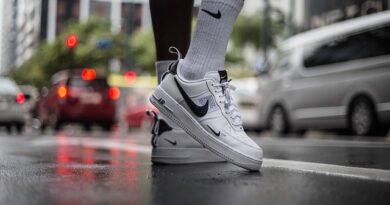
The 1990s offered three dominant aesthetics: minimalism, grunge, and sportswear. Minimalism emphasized clean lines and neutral tones through designers like Calvin Klein, while grunge introduced raw textures and layered casualness inspired by music subcultures. Sportswear bridged comfort with identity as brands like Nike and Adidas became lifestyle symbols. Each style mirrored its cultural moment—from post-Cold War optimism to anti-establishment rebellion—making menswear a reflection of shifting values.
The Cultural Context Shaping Men’s Fashion During the 1990s
Fashion in that decade was shaped by globalization, MTV culture, and new masculinity ideals. The rise of hip-hop influenced streetwear; meanwhile, Eurocentric tailoring softened under American casualness. Designers responded to an audience seeking individuality over conformity. This democratization gave rise to mass-market diffusion lines that made designer aesthetics accessible.
How 90s Menswear Reflected Broader Social and Artistic Movements
The decade’s fashion aligned closely with art movements like minimalism and conceptualism. Grunge echoed punk’s DIY ethos while minimalism mirrored architectural purity seen in urban developments. Menswear became a canvas for expressing disillusionment or restraint—two opposing yet coexisting sentiments defining the era.
The Modern Runway’s Reinterpretation of 90s Elements
Today’s designers approach 90s revival with strategic precision rather than nostalgia alone. They borrow visual cues but adapt them to current sensibilities around sustainability, inclusivity, and digital presentation.
Designers’ Approach to Reviving Vintage Silhouettes With Modern Tailoring
Modern tailoring refines oversized cuts into structured forms suited for contemporary proportions. Relaxed blazers now feature sharper shoulders; baggy denim gains cleaner seams. This balance between looseness and formality appeals to consumers valuing both comfort and polish.
Integration of Nostalgic Motifs Into Luxury Collections
Luxury houses reinterpret logos, track jackets, and retro sneakers as collectible art pieces rather than casual wear. Capsule collections often revisit archival prints or typography from the 1990s while using premium materials like recycled nylon or organic cotton to align with modern ethics.
Balancing Authenticity With Innovation in Contemporary Presentations
Runway shows blend analog references—grainy visuals, VHS-style lighting—with digital storytelling formats such as livestreamed lookbooks. This juxtaposition honors heritage while embracing technological progress that defines today’s industry narrative.
Key Aesthetic Themes Reemerging From the 1990s
Each aesthetic thread from the past now reappears with renewed sophistication across global fashion capitals.
Minimalism and Clean Lines in Modern Menswear
Minimalism returns through precision tailoring and tonal harmony reminiscent of Jil Sander’s purity or early Calvin Klein campaigns. Designers favor monochrome palettes—white, beige, charcoal—and streamline silhouettes for quiet confidence. Staples like turtlenecks, plain tees, and crisp trousers dominate collections emphasizing restraint over excess.
Streetwear and Sportswear Hybridization
Streetwear evolved from athletic wear into luxury collaborations that blur class boundaries. Partnerships between high-end labels and sports giants demonstrate how performance fabrics meet couture-level craftsmanship. Urban subcultures continue shaping this dialogue as skate parks influence Paris catwalks—a testament to fashion’s fluid hierarchy.
Grunge Revival in Luxury Contexts
Distressed denim jackets, plaid shirts tied at the waist, or heavy boots now appear in curated ensembles rather than thrift bins. Grunge’s rebellion finds new context through fine materials like cashmere flannel or Japanese selvedge denim. The aesthetic tension between chaos and control makes it timelessly relevant.
Iconic Figures and Cultural References Driving the Comeback
Celebrity nostalgia fuels much of today’s fascination with 90s fashion male icons whose influence persists across campaigns and social media imagery.
Male Icons Who Defined 90s Fashion Identity
Actors such as Brad Pitt embodied effortless cool through rugged minimalism; Johnny Depp popularized bohemian layering; David Beckham merged sports culture with metropolitan elegance. Their style archetypes remain templates for current editorial direction where authenticity outweighs perfection.
Media and Pop Culture Reinforcing Nostalgia
Films shot on analog cameras, early music videos on VHS, and vintage magazine spreads circulate widely online today. Digital platforms amplify these archives for younger audiences who never lived the decade but crave its perceived simplicity—a cyclical marketing phenomenon shaping brand storytelling.
The Cyclical Nature of Nostalgia as a Marketing Tool in Fashion Branding
Brands use nostalgia tactically: limited-edition releases evoke emotional memory while reinforcing exclusivity. This strategy bridges generations—older consumers reconnect emotionally while younger buyers discover “retro” authenticity newly packaged for them.
Design Innovation Rooted in Retro Inspiration
Technical evolution allows designers to honor retro aesthetics without replicating outdated production methods or environmental impacts.
Material Experimentation Reflecting 90s Sensibilities
Denim remains central but treated with eco-friendly washes; nylon windbreakers return crafted from regenerated fibers; leather alternatives mimic vintage patina without animal use. Such materials sustain visual familiarity while meeting sustainability goals demanded by current markets.
Tailoring Techniques Bridging Past and Present Styles
Relaxed fits coexist with precision cutting thanks to digital pattern-making tools enhancing craftsmanship accuracy once achieved only by handwork. Designers recalibrate proportions—shorter jackets paired with wider trousers—to reflect evolving body ideals emphasizing comfort over rigidity.
The Role of Male Models in Shaping the Revival Narrative
Models act as interpreters translating archival codes into present-day relevance through casting diversity and styling nuance.
Modeling Aesthetics Reflecting 90s Masculinity Codes
Whereas past campaigns projected stoic masculinity, today’s castings embrace fluidity across gender expression and ethnicity while still referencing archetypes from the decade—gritty authenticity mixed with quiet confidence defines this new standard of male beauty.
Runway Presentation Strategies Evoking Retro Energy
Show choreography often mirrors early-90s spontaneity: dim lighting, live bands, raw warehouse venues replacing polished stages evoke underground energy once central to youth culture movements influencing menswear identity formation.
Market Dynamics Behind the Return to 90s Male Fashion
Consumer behavior reveals why this revival sustains commercial traction beyond seasonal trends.
Consumer Demand for Authenticity and Heritage
Archival pieces gain collector status among enthusiasts seeking tangible history amid fast-fashion fatigue. Resale platforms thrive on limited releases from legacy houses whose storytelling around heritage strengthens perceived value across demographics.
The Commercial Viability of Retro Aesthetics
Data from major fashion analytics firms indicates consistent engagement spikes around nostalgic product drops compared to generic seasonal launches—a measurable sign that emotional connection drives profitability within men’s apparel markets globally.
Future Directions for 90s-Inspired Menswear
While rooted in memory, this movement evolves toward technological integration ensuring longevity within future cycles of style reinvention.
Predicted Evolution in Design Language
Expect modular garments adaptable across contexts—a nod to utilitarian roots seen in cargo pants or multi-pocket vests reimagined through smart textiles capable of temperature regulation or connectivity functions appealing to tech-savvy consumers.
Sustaining Longevity Through Innovation
Brands invest in ethical sourcing partnerships ensuring transparency aligns with nostalgic integrity; collaborations between heritage houses and emerging designers keep creative dialogue alive preventing aesthetic stagnation even as retro themes persist.
FAQ
Q1: Why is 90s men’s fashion making a comeback?
A: It resonates emotionally across generations due to its balance between simplicity, individuality, and cultural symbolism that feels authentic amid digital saturation.
Q2: Which styles define the current revival most strongly?
A: Minimalist tailoring, grunge layering, and sports-luxury hybrids dominate runways reflecting distinct aspects of 1990s aesthetics updated for modern wearability.
Q3: How do male models contribute to this resurgence?
A: Their casting diversity redefines masculinity codes while channeling iconic archetypes from past decades into relatable modern personas seen across campaigns worldwide.
Q4: Are sustainability efforts influencing retro-inspired design?
A: Yes, many collections replicate vintage looks using recycled fabrics or low-impact dyes aligning nostalgia with ecological responsibility demanded by today’s consumers.
Q5: What future innovations could shape next phases of this trend?
A: Smart textiles integrated into classic silhouettes alongside modular design systems will likely define how retro inspiration merges seamlessly with future functionality in menswear evolution.