What Made Outfits Grunge the Defining Aesthetic of 1990s Fashion
10 Defining Looks of 1990s Grunge Fashion
Grunge fashion of the 1990s wasn’t just a style trend; it was a cultural statement that reflected rebellion, authenticity, and the rejection of excess. Emerging from Seattle’s underground music scene, this movement reshaped global fashion by turning thrifted workwear into icons of self-expression. The decade’s defining looks—flannel shirts, ripped denim, combat boots, and oversized silhouettes—symbolized a raw honesty that contrasted sharply with the polished aesthetics of the previous era. Today, outfits grunge remain an enduring reference point for designers and streetwear enthusiasts seeking authenticity through imperfection.
The Cultural Roots That Shaped Grunge Fashion
The roots of grunge fashion lie in a complex intersection of social unrest, economic stagnation, and artistic experimentation that characterized late‑1980s America. This environment fostered a youth movement that valued sincerity over spectacle.
The Socioeconomic Climate of the Late 1980s and Early 1990s
Economic uncertainty shaped the mindset of young adults entering an unstable job market. Many rejected the materialism that had defined the previous decade. Instead of luxury labels, they turned to secondhand stores where worn textures spoke louder than logos. The Pacific Northwest’s damp climate also played its part—layering became both practical and stylistic necessity. In cities like Seattle, flannel shirts and heavy boots weren’t just aesthetic choices; they were survival gear repurposed into cultural symbols.
The Rejection of Excess and Rise of Authenticity
As consumer culture reached its peak in the late ’80s, youth countered with minimalism rooted in realism. Grunge fashion stood as an anti‑fashion statement—a deliberate refusal to conform to glossy magazine ideals. The look was imperfect but real: unbrushed hair, mismatched layers, faded fabrics. These imperfections became badges of credibility within subcultural circles.
Music Subcultures in Seattle as Aesthetic Foundations
Seattle’s alternative music scene provided both soundtrack and visual blueprint for grunge style. Local bands performed in thrifted clothes out of necessity rather than design intent. Yet their authenticity resonated globally. As their sound spread through college radio and MTV, so did their wardrobe—transforming regional utility wear into international fashion language.
The Influence of Alternative Music on Style Identity
Music was more than background noise for grunge; it was the movement’s emotional core. Sound informed style as much as any runway collection could.
Bands Embodying Raw Aesthetic Expression
Grunge bands projected an image that blurred art and reality. Their stage presence mirrored everyday life—no costume changes or polished presentation. Torn jeans and oversized sweaters became extensions of lyrical angst and social critique.
Everyday Attire Blurring Performance Boundaries
Unlike glam rock or punk before it, grunge didn’t differentiate between onstage persona and daily identity. Musicians wore what they owned: thrifted tees layered under plaid shirts or cardigans frayed at the cuffs. Fans adopted similar looks not as imitation but alignment with shared values.
Translating Sound Into Visual Form
The distortion-heavy guitar tones found visual parallels in distressed textures and muted colors. Just as grunge music stripped production down to essentials, its clothing favored simplicity over embellishment—a direct translation from auditory rebellion to visual defiance.
Core Elements That Defined Grunge Outfits
Outfits grunge were built on comfort, practicality, and disregard for convention. Each element served both functional purpose and symbolic meaning.
The Role of Layering and Texture in Grunge Styling
Layering defined the silhouette: flannel over band tee, thermal under cardigan, denim jacket atop hoodie. Textural contrast between wool, cotton, and denim created depth without polish. Oversized proportions suggested ease rather than effort—a quiet protest against tailored conformity.
Neutral and Earthy Color Palettes
Muted tones dominated wardrobes: grey, olive, washed black, brown softened by repeated wear. These shades echoed the cloudy skies of Seattle while reinforcing a subdued emotional tone. Vintage garments naturally faded into authenticity that new clothes couldn’t replicate.
Iconic Garments of 1990s Grunge Fashion
Certain pieces transcended trend cycles to become emblems of an era still referenced today by stylists and collectors alike.
Flannel Shirts as a Symbol of Rebellion and Functionality
Originally designed for laborers in cold climates, flannel shirts embodied durability over decoration. Within grunge culture they gained new meaning—part rebellion against designer excess, part nod to working‑class roots. Worn unbuttoned or tied around the waist, they balanced comfort with defiance.
Distressed Denim and Ripped Jeans
Ripped jeans captured the spirit of anti‑consumerism more effectively than any slogan could. Frayed knees weren’t manufactured distress but evidence of wear earned through time. DIY tearing became ritualized self‑expression emphasizing individuality over perfection.
Combat Boots and Heavy Footwear Choices
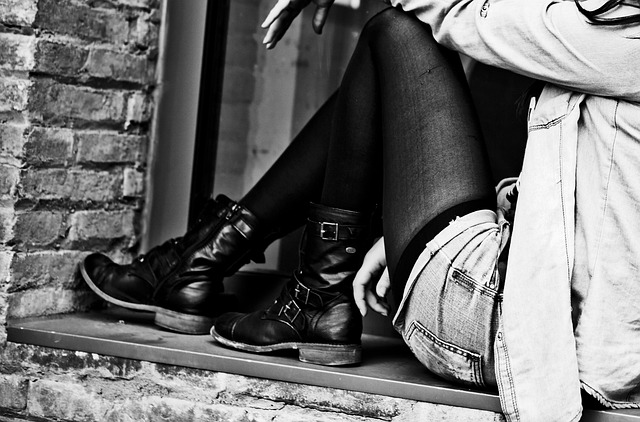
Combat boots grounded outfits both literally and symbolically. Their military heritage lent toughness to otherwise loose silhouettes while underscoring utilitarian values central to grunge identity. Scuffed leather wasn’t flaw—it was proof of endurance.
Vintage Band Tees and Graphic Layers
Band tees served dual function: personal expression and community identification. Wearing one signaled allegiance to specific musical lineages while layering multiple graphics added depth to casual ensembles—a collage reflecting individual taste within collective ethos.
Gender Fluidity in Grunge Aesthetics
Grunge dismantled traditional gender codes long before “gender‑neutral” entered mainstream vocabulary.
Blurring Masculine and Feminine Boundaries Through Dress
Oversized silhouettes erased distinctions between male and female wardrobes. Women adopted plaid shirts or army jackets without concern for gender expectation; men wore loose knits or floral prints free from judgment within subcultural contexts.
The Influence of Female Icons in Grunge Fashion Evolution
Female musicians redefined femininity through relaxed styling—slip dresses paired with boots or cardigans replacing structured tailoring. Their choices challenged glossy magazine standards that equated beauty with precision rather than personality.
The Commercialization and Legacy of Grunge Style
What began as street expression eventually entered high fashion’s orbit—a transition both celebrated and criticized.
From Subculture to High Fashion Interpretation
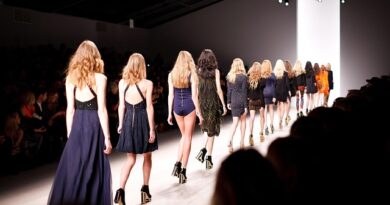
By mid‑1990s major designers incorporated plaid skirts, oversized knits, and distressed fabrics into runway collections inspired by Seattle aesthetics. Critics debated whether this shift honored authenticity or commodified rebellion for profit-driven markets.
Enduring Influence on Contemporary Streetwear and Youth Culture
Modern streetwear still borrows heavily from grunge principles: layered textures, relaxed fits, vintage sourcing. Sustainability movements echo these values too—favoring thrifted or repurposed garments over mass-produced fast fashion items as ethical resistance against wasteful consumption patterns.
FAQ
Q1: What defines authentic outfits grunge today?
A: Authenticity comes from mix-and-match layering using vintage or secondhand items rather than curated replicas; comfort outweighs coordination every time.
Q2: Why did flannel become synonymous with grunge?
A: Because it combined warmth with affordability while symbolizing rejection of luxury culture—it was honest clothing for honest expression.
Q3: How did gender roles shift within grunge fashion?
A: Clothing lost gender boundaries; both men and women adopted similar silhouettes emphasizing individuality instead of prescribed norms.
Q4: Did commercialization ruin original grunge values?
A: It diluted some authenticity but also preserved visibility—turning underground defiance into lasting cultural vocabulary across decades.
Q5: What modern trends trace back to 1990s grunge?
A: Oversized streetwear fits, distressed denim revivals, sustainable thrifting habits—all stem directly from early ’90s anti‑fashion ethos that still shapes global youth style today.