Is The Men’s Fall Style Guide Redefining Everyday Versatility in Fashion
Men’s Autumn Style Guides Reflect a Broader Shift Toward Everyday Versatility
The modern men’s fall style guide is no longer a seasonal checklist but a strategic reflection of cultural and lifestyle shifts. It captures how men dress for flexibility, sustainability, and identity rather than fleeting fashion cycles. Fall wardrobes now emphasize transitional pieces—garments that adapt to varied settings and climates—signaling a move toward practical sophistication. This evolution redefines menswear as both functional and expressive, aligning aesthetic refinement with ethical responsibility.
The Emergence of the Men’s Fall Style Guide as a Reflection of Modern Fashion Shifts
The shift in men’s fashion over the past decade mirrors deeper societal currents. Seasonal guides once dictated trends; today, they act as frameworks for self-definition. This change highlights how consumers use clothing to express adaptability in an era shaped by hybrid work and conscious consumption.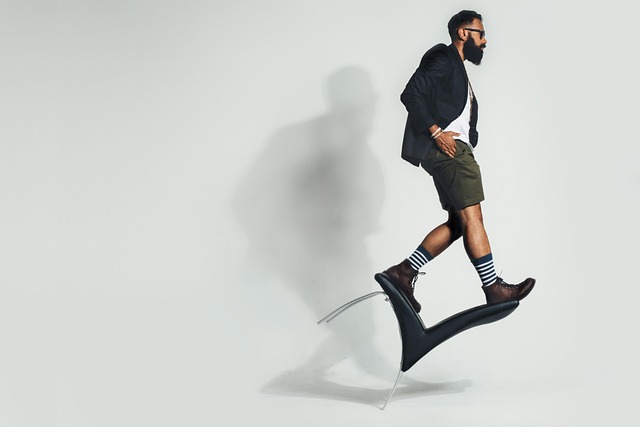
Evolution of Seasonal Style Guides
Seasonal style guides have transformed from prescriptive lists into strategic tools for personal branding. The men’s fall style guide now serves as a curated narrative of identity, merging practicality with taste. Brands increasingly focus on helping individuals articulate who they are through what they wear rather than simply following fashion cycles.
Adaptability, Sustainability, and Individuality
Autumn wardrobes emphasize resilience—pieces that perform across contexts while reflecting mindful consumption. Recycled wool coats, organic cotton knits, and modular outerwear illustrate how sustainability has become integral to design. Individuality thrives through subtle customization: tailored fits, tonal layering, or texture contrasts that reflect personal rhythm rather than mass conformity.
Cultural and Economic Reflections
This evolution parallels broader cultural awareness around value and longevity. Economic uncertainty has encouraged restrained spending but greater discernment in quality. As consumers invest in timeless staples over transient trends, fashion becomes less about novelty and more about continuity—a sentiment echoed across global menswear markets.
How Fall Fashion Embodies Transitional Versatility
Autumn collections occupy a unique space between summer ease and winter structure. They test the boundaries of material innovation while maintaining visual harmony across changing temperatures and social contexts.
Layering, Texture Experimentation, and Tonal Refinement
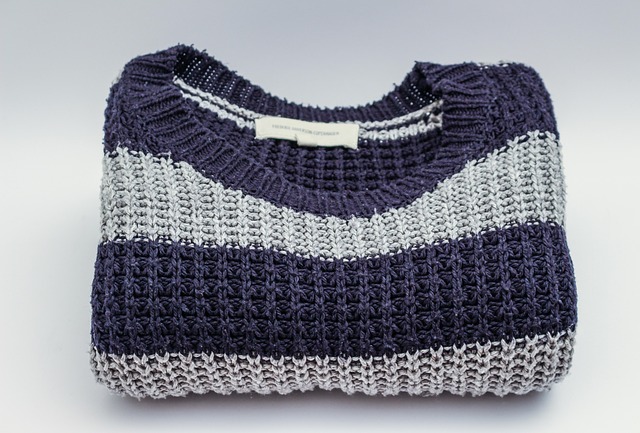
Fall encourages experimentation with layers—fine merino sweaters under structured jackets or corduroy overshirts paired with technical trousers. Texture mixing adds depth without excess: suede against flannel or tweed beside nylon creates tactile richness suited for fluctuating weather.
Blurring Formalwear and Casualwear
Designers increasingly merge tailoring with comfort-driven silhouettes. A soft-shouldered blazer worn over a hoodie or drawstring trousers styled with loafers reflects this synthesis. The outcome is clothing that transitions seamlessly from office to off-duty hours without compromising elegance.
Lifestyle-Driven Menswear Approach
Transitional pieces mirror modern lifestyles defined by mobility and spontaneity. A single garment must serve multiple functions—commuting, travel, leisure—which demands thoughtful construction. This approach aligns with broader consumer expectations for wardrobe efficiency rooted in real-life use rather than runway fantasy.
Redefining Everyday Versatility Through Fabric and Function
Material science has become central to menswear’s evolution. Textiles now dictate not only comfort but also the narrative of modern masculinity—resilient yet refined.
Material Innovation in Modern Menswear
Performance fabrics like stretch wool or water-resistant cotton bridge the gap between comfort and polish. Blended textiles allow easy movement from boardroom to café without loss of formality. Technical weaves enhance breathability while maintaining structure, offering durability fit for urban living.
Functional Design as Core Element
Utility-inspired details redefine practicality: hidden pockets, adjustable hems, detachable liners—all engineered for purpose yet maintaining sleek aesthetics. Outerwear integrates weather adaptability through lightweight insulation or removable layers that respond to shifting climates.
Functionality as Intentional Design Expression
Functionality now signals intention rather than necessity. A trench coat with storm flaps or elasticized cuffs reflects deliberate design thought—a balance between engineering precision and stylistic restraint that underscores contemporary versatility.
The Influence of Minimalism and Neutral Palettes on Fall Aesthetics
Minimalism dominates current menswear discourse because it harmonizes visual clarity with long-term usability. Neutral tones reinforce cohesion across daily routines while supporting sustainable consumption habits.
Streamlined Design Philosophy in Contemporary Menswear
Simplified cuts highlight proportion over ornamentation. Structured coats in camel or charcoal emphasize architecture rather than decoration. Neutral palettes enable effortless coordination across business meetings or weekend outings—an understated luxury rooted in functionality.
Building Cohesive Wardrobes Through Color Theory and Texture Play
Layering neutrals—ivory with taupe or navy with stone—creates quiet depth without clutter. Textural interplay between wool, suede, and corduroy enriches minimal ensembles while preserving refinement. Subtle color gradation ensures adaptability across professional and relaxed environments alike.
The Integration of Lifestyle Trends into Men’s Fall Fashion Narratives
Fashion today mirrors lifestyle hybridity more than rigid codes. Work-from-anywhere culture has blurred distinctions between public presentation and private comfort.
Rise of Hybrid Workwear and Adaptive Dressing Codes
Hybrid work has reshaped wardrobe logic: knit polos replace shirts; structured joggers substitute trousers; sneakers pair confidently with blazers. Smart-casual aesthetics dominate fall lines because they adapt effortlessly to variable routines where boundaries between home and office dissolve.
Sustainability as Emerging Dimension of Versatility
Versatility now includes ethical context—materials sourced responsibly, garments designed for circularity, waste minimized through modular construction. Consumers equate versatility not just with styling range but also durability born from sustainable intent.
Cultural Reinterpretations of Masculinity Through Autumn Styling Choices
Modern menswear challenges traditional codes by introducing softness into structured silhouettes—a quiet rebellion against outdated rigidity.
Contemporary Menswear Challenging Traditional Norms
Designers embrace fluid tailoring that invites emotional expression: oversized knits evoke comfort; muted tones convey calm authority; layered ensembles encourage individuality beyond conventionally masculine archetypes.
Media and Influencers Shaping New Style Archetypes
Digital platforms amplify these redefinitions through visual storytelling where versatility equals confidence. Influencers showcase authenticity by mixing formal pieces with casual textures—a reflection of evolving masculinity grounded in choice rather than prescription.
Future Directions: From Seasonal Guides to Perennial Wardrobe Systems
As sustainability becomes strategy rather than slogan, brands rethink seasonality itself. The men’s fall style guide evolves into a continuous system promoting durability over disposability.
Moving Beyond Seasonal Consumption Patterns in Menswear Strategy
Labels increasingly develop trans-seasonal capsules built around core essentials usable year-round: lightweight wool trousers, convertible jackets, adaptable layering systems. Data analytics inform production cycles focused on longevity instead of constant renewal—a pragmatic response to ecological pressure and consumer fatigue alike.
FAQ
Q1: Why has the men’s fall style guide gained renewed relevance?
A: It reflects broader lifestyle changes emphasizing adaptability, sustainability, and personal identity beyond seasonal fashion trends.
Q2: What defines modern fall versatility?
A: Garments designed for multiple contexts—office wear that doubles as casual attire—achieved through fabric innovation and modular design features.
Q3: How does minimalism influence autumn wardrobes?
A: Minimalist aesthetics prioritize clean lines and neutral palettes that simplify coordination while promoting timeless appeal.
Q4: Are sustainable materials now standard in men’s fall collections?
A: Increasingly yes; brands integrate recycled fibers, organic cottons, and biodegradable blends as part of responsible design practices.
Q5: What future direction will men’s seasonal guides take?
A: They will evolve into perennial wardrobe systems focused on longevity, ethical sourcing, and year-round wearability rather than short-lived trends.