What Winter Wear Trends Will Actually Matter This Season?
Why Are Winter Wear Trends More Practical This Season?
Winter wear trends are less about runway mood this season. For many buyers and shoppers, the test is simple: can the piece handle a cold commute, a weekend coffee run, a long-haul flight, or a wet evening when the pavement is part ice and part slush? For more seasonal styling ideas, visit Seasonal Trends. The direction is warmer, cleaner, and easier to wear, without making the range look plain.
That fits the market we are seeing. The Business of Fashion and McKinsey State of Fashion 2026 report pointed to low single-digit growth and more value-conscious shoppers, while Circana’s April 2026 point-of-sale data showed U.S. outerwear sales up 7.0%. In plain terms, customers still want fresh product, but they are checking whether it deserves space in the wardrobe and on the store rail. (mckinsey.com)
Value Is Shaping What Feels Stylish
A good winter buy now has to answer a few basic questions. Can it be worn twice a week? Does it work with denim, tailoring, and simple knits? Will it still look right next winter? This is why clean wool coats, padded jackets, quarter-zips, and sturdy boots are getting more attention than pieces built around one strong detail.
Outerwear Is Back at the Center
In winter, the coat is often what people see first. A plain sweater and straight jeans can look complete once the coat has a good cut, a clear texture, or a deep color. A reliable coat also helps on rushed mornings, and in real buying behavior that matters more than many trend notes suggest.
Resale Has Changed the Shopping Mood
ThredUp’s 2025 Resale Report, conducted with GlobalData, said the U.S. secondhand apparel market grew 14% in 2024 and outpaced the broader retail clothing market by five times. That does not mean every winter piece needs to be secondhand. It does show that shoppers are paying more attention to quality, resale value, and longer use. A coat that can be resold later feels like a better buy than a novelty jacket with one month of demand. (newsroom.thredup.com)
Which Coats Are Leading the Cold Weather Wardrobe?
Coats are where winter wear trends show first. The best options sit between neat design and real function. Warmth matters, but so does a shape that looks good in photos, at dinner, and during normal movement. The main coat trends are not noisy; they look planned and useful.
Sculpted Wool Coats
A wool coat with a defined shoulder, long line, and soft waist gives winter outfits clear shape. Charcoal, camel, chocolate, navy, and deep burgundy are safe commercial colors and work across many wardrobes. If you dress for work, choose a single-breasted or wrap style. If your wardrobe is more casual, a relaxed double-faced coat can sit over hoodies without looking too formal.
Modern Puffers
Puffers still matter, but the shape is changing. Better versions look less swollen and more controlled. Look for matte fabric, cropped proportions, funnel necks, boxy hips, and quiet hardware. Lyst’s Q4 2025 Index placed a Massimo Dutti puffer jacket among its hottest products, while the same report noted demand for practical outerwear and knitwear with a point of difference. That is the useful middle ground: practical, but not dull. (lyst.com)
Waxed and Quilted Jackets
Waxed cotton, quilted liners, and barn-style jackets bring a country-outdoor feel into city dressing. They work well with straight-leg denim, corduroy trousers, knit beanies, and leather boots. The aim is not to copy a full hiking catalog. One rugged piece is usually enough.
How Should You Wear Knitwear Without Looking Too Basic?
Knitwear sells comfort, but styling decides whether it looks current. A plain sweater can look lazy when the fit is wrong. A similar sweater can look more expensive when the collar, sleeve, texture, and layering are handled well. This winter, the better knits use small details instead of loud decoration.
Quarter-Zip Sweaters
The quarter-zip is one of the clearest winter pieces to watch. Lyst reported that searches for quarter-zip sweaters rose 132% in the last three months of Q4 2025, with a Polo Ralph Lauren cable-knit quarter-zip ranked as the hottest product of the quarter. Wear it half-zipped over a crewneck tee, or place it under a tailored coat when the outfit needs a smart casual line.
Textured Cardigans
Cardigans are moving away from thin office layers and toward texture. Ribbed, brushed, cable, and bouclé finishes all make a simple outfit feel warmer. If the cardigan is chunky, keep the trousers cleaner. If the cardigan is slim, add a wider trouser or heavier boot so the outfit does not look too light.
Fine Gauge Base Layers
Thin merino-style knits, cotton-rich rib tops, and fitted turtlenecks are the quiet helpers of winter style. They sit under blazers, puffers, wool coats, and shirt jackets without adding bulk. Cream, black, gray, mocha, and icy blue are easy choices when the rest of the outfit needs to layer without a color clash.
Which Colors and Textures Make Winter Outfits Look Fresh?
Winter color does not have to be all black, though black still sells and still works. A cleaner move is to mix one seasonal shade with grounded neutrals. Texture carries the outfit too. A navy coat, brushed scarf, corduroy trouser, and smooth leather boot can look better than a busy print.
Icy Blue, Brown, and Burgundy
Pinterest Predicts 2026 highlighted “Cool Blue” as an emerging direction, with rising searches such as “glacier aesthetic” up 35% and “icy blue” up 50%. It also called out high-collar jackets within an ’80s-inspired fashion trend. For winter outfits, icy blue works best in scarves, shirts, knits, or lining details. Balance it with brown, gray, cream, or burgundy so it feels wearable rather than like a costume. (create.pinterest.com)
Suede, Corduroy, and Brushed Wool
Texture gives depth when the shapes are simple. A suede boot softens denim, and corduroy trousers add warmth without making the outfit loud. Brushed wool scarves help basic coats look less flat. If you are buying online, zoom in on fabric photos and read care notes. Winter texture looks good on arrival, but it loses value fast if it pills after three wears.
Shearling Touches
Full shearling coats can be heavy and costly, so shearling trims are easier for most wardrobes. Look for collars, cuffs, lined boots, or small bag details. The soft touch makes practical winter pieces feel warmer to the eye. It also photographs well in low winter light, which helps with e-commerce and social content. See also: Fashion Trends.
What Shoes and Accessories Work Best With Winter Wear Trends?
Accessories are not side items in cold weather. They decide whether an outfit works outdoors. The right hat, scarf, boot, and bag can make a standard coat feel styled. The wrong ones can make even a good coat look unfinished.
Weather Ready Boots
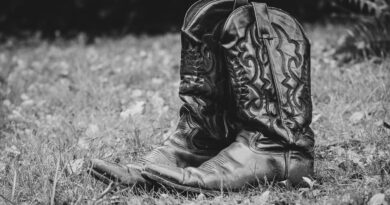
Winter boots should have grip, a stable sole, and enough room for socks. Lug-sole Chelsea boots, lace-up leather boots, and lined ankle boots are safe picks for everyday wear. Sleek boots can look good, but a smooth sole is not built for winter streets. That kind of boot is better kept for dinner, not slush.
Warm Hats and Scarves
Beanies, toques, and cashmere-style scarves are strong because they are useful and visible. Lyst’s Q4 2025 Index named Arc’teryx’s Bird Head Toque as the hottest headwear item and reported a 1058% search spike. The point is not that every customer needs that exact hat. The point is that cold-weather accessories now carry real style weight.
Practical Bags and Belts
Winter bags need to sit well over bulky sleeves. Crossbody bags, soft totes, and compact shoulder bags tend to work better than tiny top-handle styles when gloves are involved. Belts also matter with big coats and knits. A chunky belt over a long cardigan or wool coat can add shape quickly, especially when the outfit feels too soft.
How Can You Build a Winter Capsule That Still Feels Current?
A winter capsule does not need to feel like a uniform. It should make repeat dressing easier. Start with pieces you will wear often, then add one or two trend notes. This keeps the wardrobe flexible and helps avoid buying three similar coats because each one looked good for five minutes in a fitting room.
The Three Layer Rule
A strong winter outfit usually has three layers: a base, a warmth layer, and an outer layer. Try a fitted rib top, a textured cardigan, and a wool coat. Another easy set is a thermal tee, quarter-zip knit, and cropped puffer. The rule gives warmth and visual depth, but it still feels simple.
Cost per Wear Thinking
Cotton Incorporated’s 2025 Global Durability Survey, published in February 2026, found that 79% of Gen Z, 84% of Millennials, and 85% of Gen X and Boomers said it is important for clothing to last a long time. It also reported that garments with 100% cotton were kept for an average of 5.5 years, longer than lower-cotton groups in the survey. For winter ranges and personal wardrobes, apply the same thinking to coats, knits, denim, and base layers. Buy the version that will be worn often, not the one that only looks good on the hanger. (lifestylemonitor.cottoninc.com)
Care and Fit Details
Check shoulder seams, sleeve length, zipper quality, lining, and fabric recovery before buying. Hang wool coats on broad hangers, and fold heavy knits instead of hanging them. Use a fabric comb on pilling before it becomes obvious. These habits are basic, but they keep winter pieces looking newer for much longer.
FAQ
Q1: What Are the Biggest Winter Wear Trends This Season? A: The main trends are practical outerwear, modern puffers, sculpted wool coats, quarter-zip knits, textured cardigans, icy blue accents, sturdy boots, and warm accessories with a clear style point.
Q2: How Can You Follow Winter Wear Trends Without Overbuying? A: Start with one coat, one strong knit, one boot, and two accessories. Choose colors that match what you already own. If a trend cannot work with at least three outfits, leave it.
Q3: Are Puffers Still in Style for Winter? A: Yes. Puffers still work, especially in matte fabrics, cropped cuts, funnel-neck shapes, and clean neutral colors. The better ones feel less sporty and more polished.
Q4: What Color Should You Add to a Winter Wardrobe? A: Icy blue is a fresh choice for 2026, while chocolate brown, burgundy, charcoal, camel, and cream remain easy winter shades. Use bright or pale color as an accent first.
Q5: What Is the Smartest Winter Fashion Investment? A: A well-fitted coat is usually the smartest buy. It covers most of the outfit, gets frequent wear, and can make simple layers look planned in seconds.