Which Fashion Trends Are Actually Worth Wearing in 2026?
Why Are Fashion Trends Changing Faster in 2026?
If you are trying to follow fashion trends without rebuilding your wardrobe every season, 2026 can feel crowded. Social feeds move quickly, prices are harder to ignore, and resale has made older pieces feel relevant again. The better move is not to chase every outfit that goes viral. It is to read the useful signals and ignore the ones that will likely fade before the next wash.
Price Pressure Shapes Buying Choices
McKinsey & The Business of Fashion reported in The State of Fashion 2026 that “challenging” was the word fashion executives used most often for the year, with tariffs listed as the main hurdle. The same report said 46% of surveyed leaders expected industry conditions to get worse in 2026. That does not mean people have stopped caring about style. It means shoppers are checking value more carefully before they pay.
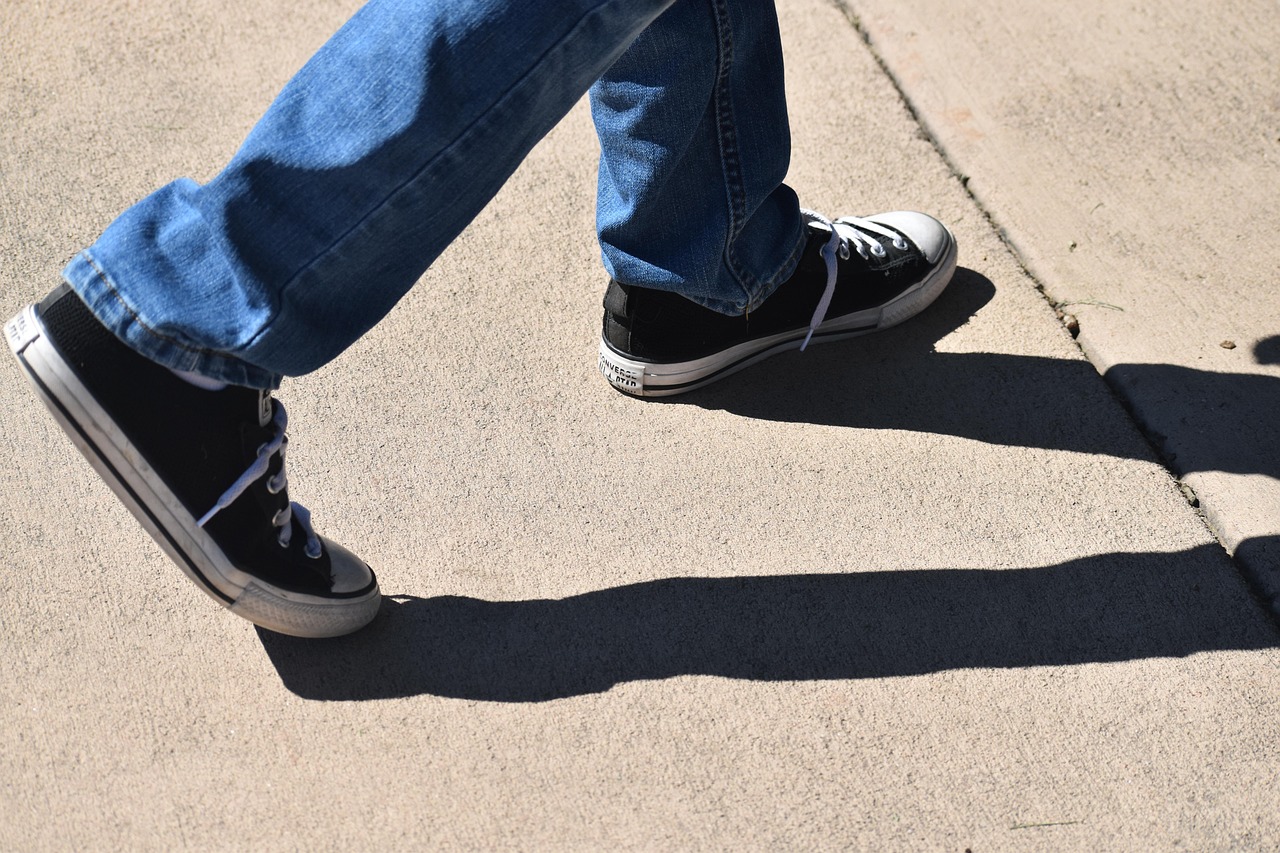
For daily wardrobes, wearable trends matter more than show pieces. A sharp jacket, a clean skirt, a reliable knit, or a pair of shoes you can wear three days a week will do more work than a one-night statement item. A trend has to earn space in the closet now, not just look good in a photo.
Online Discovery Moves Faster
Lyst’s Q1 2026 Index described fashion heat through desire, demand, and discovery, using signals from its 160 million annual shoppers plus social and search behavior. It also filters more than eight million items to rank hot products. That kind of scale explains why one jacket shape or sneaker can seem to be everywhere in a week.
But online heat is not the same as wardrobe value. A product can trend because it photographs well, because one celebrity wore it, or because a platform gave it more reach. Before you buy, check whether the piece works in normal daylight, with your own shoes, and on an ordinary Tuesday.
Resale Changes What Feels New
ThredUp’s 2026 Resale Report, conducted with GlobalData and released in April 2026, projected the global secondhand market to reach $393 billion by 2030. It also said Gen Z and Millennials are expected to drive 71% of market growth through 2030. That is a clear sign that trends are no longer only about new arrivals.
Vintage leather, past-season designer bags, old-school track jackets, and well-cut denim can all look current when the fit and styling feel right. A trend may start on the runway, but it often becomes easier to wear once people mix it with clothes they already own.
Which Everyday Pieces Should You Watch First?
The strongest fashion trends usually start with items people already understand. They do not ask you to dress like a different person. They adjust shape, length, texture, or styling just enough to make an outfit feel up to date. Start with the clothes that already do real work during your week.
Tailored Basics With Softer Shapes
Tailoring still matters, but it is less stiff than the old office uniform. Look for relaxed blazers, stand-collar jackets, soft trousers, and waistcoats that can be worn open. Lyst’s Q1 2026 hot product list included a Saint Laurent stand-collar jacket, which fits the wider return of polished outer layers with a sharper neckline.
The easy version is simple: wear a neat jacket with straight jeans, a tank, and low-profile shoes. If your workplace is casual, this kind of piece gives structure without looking forced. For dinner at the weekend, keep the same jacket and change the earrings.
Longer Shorts and Relaxed Pants
Longer shorts, wide-leg pants, and fluid cargos keep showing up because they answer a real comfort need. They have room to move, but they do not look sloppy when the fabric has enough weight. Cotton twill, linen blends, washed denim, and soft suiting fabric all work well here.
Balance does most of the job. If the bottom is wide, keep the top closer to the body. A ribbed tee, fitted knit, or cropped shirt makes the shape look planned. Petite shoppers can try a slightly higher waist and a shoe with a low vamp to keep the leg line clean.
Slip Dresses, Skirts, and Light Layers
Slip dresses and easy skirts keep coming back because they cross seasons without much effort. In warm weather, they work with sandals. In cooler months, they sit under knits, jackets, or long coats. Satin is still popular, but matte finishes often look more expensive and are easier to wear during the day.
If you buy only one skirt, choose a length that works with your favorite boots or flats. That small detail matters more than the trend name. A skirt that looks wrong with every shoe in your closet will not get much wear.
How Can You Wear Color and Print Without Looking Overdone?
Color is one of the quickest ways to make an outfit feel new, but it can also make a closet harder to use. The safer route is not avoiding color. Give color a job instead. Let one shade lead, then keep the rest calm.
Soft Neutrals With One Strong Color
Warm beige, stone, chocolate, cream, navy, and grey stay useful because they make bold color easier to wear. A red flat, cobalt knit, butter-yellow bag, or green shirt can change the look of an outfit without making you buy ten matching pieces.
This also works when you travel. Pack mostly neutrals, then add one strong color through a scarf, cardigan, or shoe. You get more outfit options without turning the suitcase into a matching problem. In real life, good style often starts with not fighting your own packing choices.
Tropical and Vacation Prints
Vacation prints, tropical florals, and sun-faded patterns fit the 2026 mood because people want clothes that feel lighter, even when budgets are tight. The wearable version stays away from costume dressing. Pick one printed item and keep the rest plain.
A tropical shirt with white jeans can look fresh. The same print with matching shorts, bright sunglasses, and loud sandals may feel like a theme party. If you like maximal looks, wear them. If you want the piece to last longer in your wardrobe, give the print some space.
Metallics for Small Highlights
Metallics are no longer only for evening wear. Silver flats, gold belts, and soft shimmer knits can lift basics in a practical way. Small metallic details work like jewelry, especially with denim, black tailoring, or white cotton.
Texture matters here. Mirror-shiny pieces draw attention fast, while brushed metal and muted foil finishes are easier to wear during the day. If the item already sparkles, keep the shape simple.
Which Fabrics and Details Make Trends Last Longer?
Trend value is not only about how a piece looks online. It is also about how it washes, moves, wrinkles, pills, and ages. The European Environment Agency’s 2025 briefing on textile circularity said EU textile consumption rose from 17 kg per person in 2019 to 19 kg in 2022, and textiles ranked fifth among household categories for environmental and climate pressures. Buying better and wearing longer is not just a nice idea; it is a practical style habit.
Natural Fibers and Better Blends
Cotton, linen, wool, silk, and viscose blends can feel good on the body, but fiber content alone does not prove quality. Check the fabric density, seams, lining, and recovery. A thin cotton tee may twist after two washes, while a cotton-modal blend may hold its shape better.
UNEP’s 2025 Annual Report stated that the textile industry produces 2% to 8% of global greenhouse gas emissions and uses major water resources. With that scale, care habits matter. Wash cold when suitable, air-dry delicate pieces, and do not over-wash jeans or knits unless they really need it.
Texture That Feels Good in Real Life
Bouclé, brushed cotton, ribbed knits, crinkle fabric, suede effects, and pebbled leather all add depth without loud color. Texture also helps simple outfits look more considered. A white tee and black pants can feel plain; add a woven belt or textured jacket, and the outfit has more direction. See also: Outfit Ideas.
Use the sit-down test before buying. If a skirt rides up, a waistband digs in, or a jacket scratches your neck in the fitting room, it will not get better after a full day. Trend pieces still need to pass normal real-life tests.
Repairable Details and Cleaner Finishes
Look for buttons that can be replaced, hems with enough allowance, sturdy zippers, and seams that do not pull. Cleaner finishes make a piece easier to repair and restyle. This matters more as resale grows, because future value depends heavily on condition.
A trendy bag with weak hardware may age badly. A simpler bag with good stitching may look better after two years. When you are unsure, choose the piece that can handle a crowded train, a coffee spill, and more than two wears.
How Do Accessories Shift an Outfit Fast?
Accessories are a lower-risk way to test fashion trends. A shoe shape, belt, pair of glasses, or bag can change old clothes quickly. That is useful when you want a new feel without buying a full set of new outfits.
Slim Sneakers and Low-Profile Shoes
Chunky sneakers are not gone, but slimmer shapes feel newer with wide pants, long skirts, and relaxed tailoring. Adidas track styles and low-profile sneakers keep gaining attention because they work with both sporty and polished clothes. They also take up less visual space, which helps when the rest of the outfit is loose.
Flats, pumps, and Mary Janes are also back in daily rotation. Lyst’s Q1 2026 product signals included Chanel pumps, showing that classic shoe shapes still have strong demand when styled in a current way. The point is simple: old categories can feel new when proportions change.
Belts, Bags, and Statement Eyewear
A belt can change the whole read of an outfit. Thin belts feel neat with trousers, while wider belts can shape dresses and long shirts. Bags are moving between practical and expressive, with roomy totes, shoulder bags, and vintage-inspired shapes all working for different lifestyles.
Eyewear is another quick update. A strong frame can make a basic tee look styled before you add jewelry. Try tortoiseshell, slim metal, soft square, or oval shapes, then choose based on your face shape and haircut.
Jewelry That Adds Shape
Jewelry trends are less about wearing everything at once and more about shape. One sculptural cuff, a clean hoop, a chain necklace, or a pendant can give a simple outfit some direction. Mixed metals are fine now, so every buckle and ring does not need to match.
If your outfit has a high neckline, try earrings instead of a necklace. If your top is plain, a pendant can help. These are small choices, but they make getting dressed feel less random.
How Can You Shop Trends Without Wasting Money?
A good trend purchase should fit your body, your budget, and your real routine. Public data can show where the market is moving, but no report can tell you whether a red satin skirt works for your Monday morning. Use the data as background, then use your own rules at checkout.
Cost per Wear Beats Impulse Price
A $40 item worn twice costs $20 per wear. A $160 jacket worn 80 times costs $2 per wear. This simple math is not exciting, but it saves closets from regret. Cheap pieces are not always bad, and expensive pieces are not always smart. Wear frequency is the real test.
- Can you style it with at least three items you already own?
- Can you wear it in two different settings?
- Can you care for it without special effort?
- Would you still like it if the label were hidden?
Resale Value as a Buying Signal
ThredUp’s 2026 report found that nearly 50% of shoppers discover secondhand finds through social media, creators, and influencer feeds rather than only traditional search. That means resale is becoming part of trend discovery, not just a place to find lower prices.
Before buying a trend, search resale platforms for similar items. If many good versions already exist, secondhand may be the better choice. If resale prices stay firm for a brand or material, that can point to better long-term demand. It is not exact science, but it is better than guessing.
A Simple Three-Outfit Test
Before you buy, picture three outfits: one casual, one slightly polished, and one that works for the weather. If the piece fails all three, it is probably a styling fantasy. That does not mean you cannot buy fun clothes. It just means you should know when you are paying for fun and when you are paying for use.
The fashion trends worth wearing in 2026 are the ones that make daily dressing easier, not harder. Choose cleaner shapes, better fabrics, useful color, and accessories with range. Trends should give you ideas, not homework.
FAQ
Q1: What Are the Biggest Fashion Trends for 2026? A: The most wearable trends include relaxed tailoring, longer shorts, fluid trousers, slip dresses, low-profile shoes, useful metallic accents, textured fabrics, and resale-driven vintage styling.
Q2: How Can You Follow Fashion Trends Without Spending Too Much? A: Start with accessories, shop resale, use a cost-per-wear rule, and buy only pieces that work with at least three outfits you already own.
Q3: Are Fast Fashion Trends Still Popular in 2026? A: Fast trend cycles still exist, especially on social media, but public reports from McKinsey, ThredUp, UNEP, and the EEA point to stronger interest in value, resale, longer use, and smarter buying.
Q4: Which Colors Are Easiest to Wear This Year? A: Soft neutrals with one strong accent are easiest. Try cream with red, grey with cobalt, chocolate with butter yellow, or navy with metallic silver.
Q5: How Do You Know if a Trend Will Last? A: A trend has a better chance when it solves a real wardrobe need, works across seasons, appears in resale, and feels good after a full day of normal wear.