
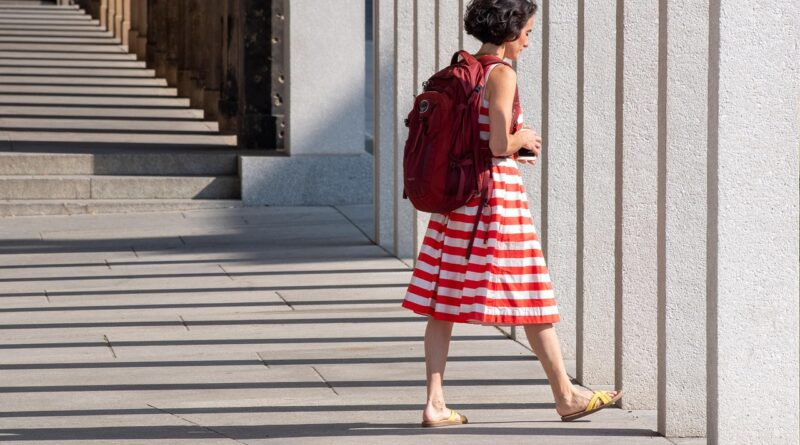
What Are the Best Trip Outfit Ideas for Effortless Travel Style?
How Do You Build Trip Outfit Ideas That Work in Real Life?
Good trip outfit ideas come from the actual plan, not from a suitcase full of outfits you may never wear. A busy airport, a 9 a.m. museum booking, a beach dinner, and a cold hotel lobby all need slightly different clothes. Travel is busy again too: IATA reported in January 2025 that global passenger demand reached a record high in 2024, with a full-year load factor of 83.5%. Crowded cabins and tight overhead bins make it worth choosing pieces that move well and do not take up much space. (iata.org)
Style still matters. The aim is not to wear plain basics from day one to the flight home. It is to pack clothes that look decent in photos, feel okay after hours of sitting, and do not leave half your suitcase on the hotel floor.
Flexible Base Pieces
Start with pieces that can do more than one job. A ribbed tank can go under a blazer at dinner, and it can also work with linen shorts at breakfast. Straight-leg jeans are useful for city walks, casual restaurants, and airport days if the fabric has some stretch. A black slip skirt can look easy with sneakers, then cleaner with sandals later.
Weather and Schedule First
Check the weather, then look at the actual schedule. A 75-degree beach trip sounds simple, but an early boat tour can still feel cool. A city break sounds neat and polished until the map shows 18,000 steps in one day. Pick one outfit for each main activity, then add one spare layer instead of packing five extra tops for “just in case.”
A Simple Three-Look Rule
For a weekend, three looks usually cover the trip: one travel outfit, one day outfit, and one dinner outfit. For five to seven days, work around three bottoms, five tops, two layers, and two pairs of shoes. There is no public source that gives one perfect outfit count for every traveler. I treat this as useful packing math, not as a fixed travel rule.
What Should You Wear on the Travel Day?
A travel-day outfit has to deal with temperature changes, security lines, tight seats, and maybe a small coffee spill. It should look put together, but it also has to handle a nap in a bad seat position. Comfort is not the problem here. Stiff waistbands and poor fabric are usually the problem.
Soft Trousers or Relaxed Denim
Soft trousers, ponte pants, wide-leg knit pants, or relaxed denim are better than tight jeans on long travel days. Choose a waistband that does not press into your stomach when you sit. If you leave one climate and land in another, a straight or wide leg gives you options. You can wear thin thermal leggings underneath, or go with bare ankles and sneakers when it gets warmer.
Breathable Top and Light Layer
A cotton tee, fine-gauge knit, or smooth long-sleeve top gives you a clean base. Add a cardigan, shirt jacket, bomber, or unstructured blazer over it. Airplanes and trains can feel cold even when the destination is warm. The extra layer also helps if you land early and cannot check in yet, which happens more often than most travelers plan for.
Shoes You Can Actually Walk In
Wear your bulkiest shoes on the travel day, but only if they are already comfortable. Sleek sneakers, soft loafers, or low ankle boots are usually safer than brand-new sandals. Pick socks that will not slide down while you are going through security. If you travel through U.S. airports, TSA’s travel checklist still keeps the 3-1-1 liquids rule for carry-ons: liquids, gels, and aerosols should be in containers of 3.4 ounces or less, inside one quart-size clear bag. That rule is more about beauty packing than clothing, but it can affect how you plan your whole getting-ready kit. (tsa.gov)
How Can You Pack Fewer Pieces Without Repeating the Same Look?
A good suitcase gives you options without making a mess. The practical move is to repeat the base and change the feel of the outfit. A white shirt with denim shorts works for lunch. The same shirt tucked into tailored trousers with gold hoops can work for dinner. Repetition is not obvious when the shape, texture, or accessory changes.
One Color Story
Choose one neutral group and one accent color. Black, white, and tan with red accents looks clean for a city trip. Navy, cream, and soft blue feels right near the coast. Olive, beige, and brown works for outdoor plans without looking like full hiking gear. A clear color story helps every top match every bottom, so fewer pieces can make more outfits.
Repeatable Bottoms
Bottoms take up more space than tops, so I pack fewer of them. For most trips, one casual bottom, one cleaner bottom, and one weather-based bottom are enough. That may mean jeans, tailored trousers, and shorts. For a beach trip, it might be linen pants, a midi skirt, and swim cover-up shorts.
Statement Pieces in Small Doses
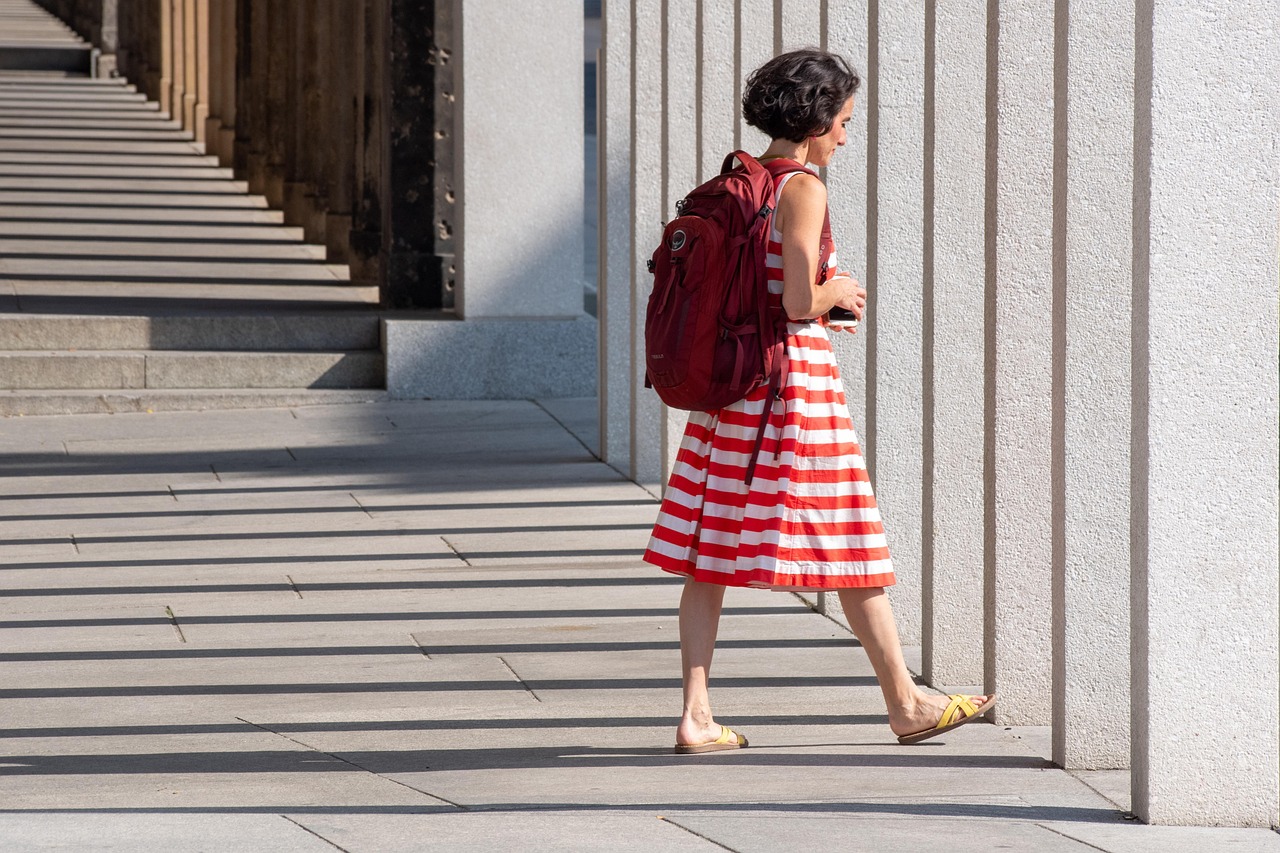
Pack one statement item, not six. A printed dress, bright cardigan, metallic flat, or bold scarf can make photos feel different without taking over the suitcase. Keep the rest of the packing simple so the item is easy to wear more than once. McKinsey and The Business of Fashion noted in their State of Fashion 2025 coverage that shoppers are prioritizing value, which fits the travel capsule idea: better wear-per-piece matters when space and budget both count. (mckinsey.com)
What Trip Outfits Work Best by Destination?
Destination dressing is usually the fun part of planning. Even so, cute clothes still need to work for the place. Think about the local setting, walking distance, and dinner plan before you pack. A resort outfit can feel odd on a subway platform, and a city blazer can feel out of place at a sandy taco stand. Dress for the location first, then add your own taste.
City Break Looks
For a city break, use neat layers and shoes you can walk in. Straight jeans, a soft tee, a cropped jacket, and sneakers work well for daytime. For dinner, change into a black skirt, fitted knit, and low block heels. A small crossbody bag also helps because it leaves your hands free for maps, coffee, and the receipt you somehow carry all day.
Beach and Resort Outfits
Beach outfits work best when they dry fast and still cover enough for a hotel lobby or café. Pack a linen shirt, breezy pants, a simple tank dress, and a swimsuit that can also act as a bodysuit under wide-leg trousers. Add flat sandals and one slightly dressier pair for dinner. If sunscreen stains annoy you, do not pack too many white pieces.
Mountain and Countryside Layers
For mountains or countryside trips, layers matter more than trends. Start with a fitted base top, add a fleece or knit, then finish with a wind-resistant jacket. Leggings can work for trails, but it is worth packing one nicer pant for dinner or walking around a small town. Earth tones usually photograph well outside, and they hide dust better than pale colors. See also: Fashion Trends.
Which Fabrics and Layers Make Travel Outfits Feel Better?
Fabric can make a travel outfit work or fail. A piece may look fine in the mirror, then feel bad after a long train ride. Useful travel fabrics breathe, avoid deep wrinkles, and recover after sitting. They should also fit the pace of the trip. A slow resort week can handle linen creases, but a business-adjacent city trip may need smoother knits.
Cotton Linen and Tencel for Warm Days
Cotton is easy to understand, easy to wear, and usually easy to wash. Linen lets air move and looks relaxed, although it will wrinkle. Tencel and lyocell blends often feel smooth and drape well, so dresses and trousers look less bulky. For hot-weather trip outfit ideas, pair a breathable top with a looser bottom so the fabric does not cling.
Merino Knits and Fleece for Cool Trips
Merino wool, fine knits, and light fleece are useful for cold-weather travel because they add warmth without heavy bulk. A thin merino sweater can go under a trench coat or a puffer vest. Fleece is not the most polished option, but it earns space on early flights, train rides, and cabins with uneven heating. If the trip includes outdoor time, it is often the layer you reach for first.
Stretch and Wrinkle Resistance
A little stretch helps jeans, trousers, and fitted dresses keep their shape during travel. Wrinkle-resistant blends are useful when you do not want to iron in a hotel room. Roll soft pieces and fold structured pieces. If you unpack when you arrive, hang dresses and shirts in the bathroom while you shower. It is not a perfect fix, but steam does help light creases relax.
How Do Accessories Finish a Trip Outfit Without Overpacking?
Accessories are an easy way to change a travel look, but they can turn into clutter quickly. Pick items that have a real use. A belt changes the shape of an outfit. A scarf adds color and warmth. A hat helps with sun and bad hair. The pieces worth packing should earn their space more than once.
Compact Bags and Belts
Bring one main day bag and one small evening bag if your plans call for it. A crossbody or belt bag is practical for sightseeing because it keeps your hands free. A soft clutch or mini shoulder bag can pack flat and still work at dinner. One belt in black, brown, or tan can make dresses, trousers, and oversized shirts look more finished.
Jewelry Hats and Scarves
Pack jewelry in a small pouch or pill case so it does not tangle. For a short trip, two pairs of earrings, one necklace, and one bracelet are usually enough. A scarf is useful because it can warm your neck, cover shoulders, tie onto a bag, or work as a hair accessory. Hats are helpful too, but wear the stiff one while traveling so it does not get crushed.
Toiletries and Laundry Planning
Outfit planning is easier when grooming and laundry stay simple. Solid shampoo, powder cleanser, or travel-size products can save room in the liquids bag. For trips longer than a week, pack a small laundry sheet or plan one wash. U.S. Travel Association data says domestic leisure travel generated $876 billion in spending in 2024, so travel is not a rare splurge for many shoppers. A wardrobe that repeats well makes sense for frequent weekenders and longer vacations. (ustravel.org)
FAQ
Q1: How Many Outfits Should You Pack for a 5 Day Trip? A: Pack one travel outfit, three day-to-dinner outfits, and one flexible extra top. Two pairs of shoes are usually enough unless the trip includes formal events or tougher outdoor plans.
Q2: What Is the Best Color Palette for Trip Outfit Ideas? A: Choose three neutrals and one accent color. Black, white, tan, and red work well for cities, while cream, navy, denim, and coral feel easy for coastal trips.
Q3: Are Dresses Better Than Separates for Travel? A: Dresses are useful for warm destinations and quick dressing, but separates give more outfit combinations. For most trips, one dress plus two or three sets of separates is a good balance.
Q4: What Shoes Should You Avoid Packing? A: Avoid brand-new shoes, heavy heels, and pairs that match only one outfit. Travel shoes should handle walking, weather, and at least two different looks.
Q5: How Can You Make Simple Travel Outfits Look More Stylish? A: Use clean color matching, good fit, and one strong accessory. A plain tee and trousers can look more polished with a belt, earrings, neat sneakers, and a jacket that fits properly.