What Seasonal Wear Trends Are Actually Worth Buying Now?
Seasonal wear trends are not just about wearing linen in July and wool in December anymore. Buyers and shoppers are dealing with warmer springs, earlier selling periods, resale value, and social feeds that can push one detail across the market in a few hours. This guide looks at what is worth buying now, what can wait, and how to put outfits together so they still make sense next season. For more style direction, visit the Seasonal Trends section.
A note on sources: the data points below come from public reports by McKinsey and The Business of Fashion, NOAA, ThredUp and GlobalData, Pinterest, and the National Retail Federation. Style-led ideas, such as scarf styling or a cleaner jacket shape, do not have one steady public sell-through number for every market. They are used here as working styling examples, not fixed forecasts.
Why Are Seasonal Wear Trends Changing So Fast?
The old fashion calendar still has a role, but it does not decide everything now. Weather, price pressure, resale, and search habits are pushing people toward clothes that can work across more than one month. That is why a useful seasonal wardrobe now looks less like four separate closets and more like a tight rotation.
Weather Swings Make Layers Work Harder
Layering is not only a styling move. NOAA reported that 2025 was the fourth-warmest year on record for the contiguous United States, with climate extremes also well above average. For apparel, the takeaway is simple: people need pieces that breathe, pack without trouble, and still look neat when the temperature changes during the day. Cotton poplin shirts, fine-gauge cardigans, mesh-lined jackets, and relaxed trousers all fit that need because they do not cling on a warm commute. A light trench over a tank may sound plain, but on a 58-degree morning that turns into an 80-degree afternoon, plain becomes useful. (ncei.noaa.gov)
Value Matters More Than Novelty
In the 2026 fashion outlook, The Business of Fashion and McKinsey said consumers are still rethinking spending and looking for value, while global fashion growth is expected to stay in the low single digits. That does not mean people no longer care about style. It means a trend has to work harder before it gets space in the closet. Before buying a bright micro-trend top, check if it works with denim, tailoring, sneakers, and one evening layer. If it does not, a scarf, belt, or bag in that color may be a better buy. (mckinsey.com)
Resale Changes the Trend Cycle
Resale makes seasonal dressing less straight-line than it used to be. ThredUp’s 2026 report, conducted with GlobalData, projected the global secondhand apparel market to reach $393 billion by 2030 and said resale is growing faster than overall apparel retail. That matters for both shoppers and retailers because a customer can try a trend without paying full new-season prices. Older pieces can also come back fast when a silhouette returns. A denim midi skirt, a leather bomber, or a vintage windbreaker can look current again when the shoes and top are right. (newsroom.thredup.com)
Which Spring and Summer Pieces Feel Fresh But Useful?
Warm-season dressing should not force anyone to buy a whole new look. The better spring and summer ideas in seasonal wear trends are breathable, easy to move in, and suitable for errands, travel, and casual dinner plans. A small sport detail can help too, especially in 2026.
Lightweight Tailoring for Warm Days
Soft tailoring is an easy update because it gives shape without making the outfit feel stiff. Look for unlined blazers, sleeveless vests, wide-leg trousers, and tailored shorts in linen blends, cotton twill, or light Tencel-style fabrics. Beige, stone, navy, cocoa, and washed black are safer than a loud color if the item needs to work for office days, trips, and weekends. A vest with matching trousers gives a clean set for one day. Later, the vest can go with jeans or a white skirt, and that second use is where the value shows.
Breathable Dresses and Matching Sets
A good summer dress should pass three checks: it should not feel sticky, it should work with flat shoes, and it should take a layer at night. Shirt dresses, column knit dresses, and relaxed A-line shapes usually pass those checks without much styling effort. Matching sets also keep selling because they reduce the morning decision. A short-sleeve button shirt with pull-on wide-leg pants can be worn open over a tank, tucked for a cleaner look, or split into two outfits. There is no trick here. It is just an easier way to get more wear from two pieces.
Soft Sport Details for Daily Wear
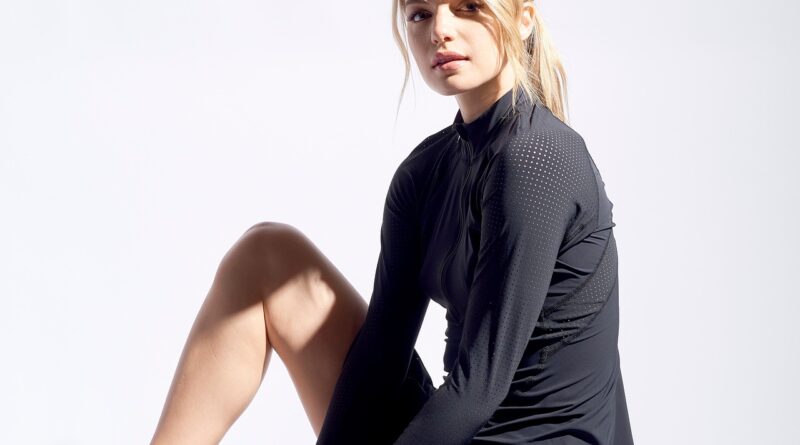
Pinterest’s Summer 2026 Trend Report described sports as a wider lifestyle signal, based on search behavior across more than 600 million monthly users. It pointed to sport-luxe street style, track pieces, capris, jerseys, stripes, hybrid sneakers, and statement shades. For daily wear, the safer read is to keep the detail small. Try a nylon windbreaker with straight jeans, a striped polo with linen shorts, or sleek sneakers with a summer dress. The point is movement and comfort, not a full team-kit look. (newsroom.pinterest.com)
Why Does Fall Need a Transitional Wardrobe?
Fall causes a lot of closet problems because the weather can feel different from breakfast to mid-afternoon. The better fall buys sit between summer and winter. This is especially true in markets where air conditioning, rain, and warm afternoons can all happen in one week.
Transitional Knits With Clean Texture
Bulky sweaters usually come too early at the start of fall. Fine rib knits, cotton-cashmere blends, and open-weave cardigans make more sense because they sit under jackets and still look planned over dresses. A chocolate cardigan, charcoal polo knit, or oatmeal crewneck can work with satin skirts, cargo pants, and straight denim. Small texture is easier to repeat than heavy novelty. It keeps the outfit current without making the piece look like a one-season trend.
Longer Skirts With Boots
Longer skirts are useful because they change the feel of an outfit fast. A denim maxi with boots feels grounded. A satin midi with a knit top feels softer. A pleated skirt with a bomber brings some school-year energy without looking too literal. If closet space is limited, choose one skirt that clears your favorite boots and does not drag with flats. That one fit check saves a lot of returns and regret later.
Utility Jackets and Light Trenches
A utility jacket, cropped field jacket, or light trench is one of the safer fall buys. It gives pockets, handles light wind, and makes simple outfits look finished. Olive, khaki, navy, and washed brown are easy colors because they do not fight with denim or black. If a customer wants a trend detail, a slightly boxy cut or a drawstring waist is enough. Too much hardware can narrow the audience unless that detail is already part of the brand style.
Which Winter Updates Are Worth the Closet Space?
Winter trends can get costly fast, so the main question is not only what looks new. The better question is what will be worn on cold mornings when nobody wants to think too much. Warmth, fabric feel, and outfit range matter more than one loud detail.
Warm Coats With Simple Shapes
A simple coat usually earns more wears than a coat with too many details. Long wool-blend coats, quilted jackets, and clean puffers in dark olive, black, camel, espresso, or deep navy can cover most winter outfits. Check the shoulder room before buying. If a coat cannot fit over a medium sweater, it will not be used much during the coldest weeks. A slightly oversized coat also makes denim, knit dresses, and trousers look more relaxed. That helps on workdays and travel days when the outfit has to come together fast.
Layered Base Pieces in Natural Tones
Thermal tops, fitted turtlenecks, soft long sleeves, and thin merino-style layers can refresh winter outfits without adding much bulk. Natural tones such as cream, taupe, grey, brown, and muted blue sit well under darker jackets. A white tee under a black sweater is fine, but a warm oatmeal base layer often looks softer near the face. It is a small detail, but it changes the neckline area more than many shoppers expect. For retailers, these pieces are also useful add-ons because they solve a real cold-weather need.
Statement Accessories Over New Outfits
If the winter budget is limited, accessories should come first. A ribbed beanie, large scarf, leather gloves, bold socks, or a structured belt can make the same coat feel different. Accessories also give a low-risk way to test color. Red, icy blue, butter yellow, or metallic silver may feel fun in a scarf but too much as a full coat. This is a practical way to join seasonal wear trends while keeping the main wardrobe steady. It also helps shoppers avoid buying a full outfit for a mood that may pass quickly.
How Can You Build a Seasonal Wardrobe Without Overbuying?
A smart closet does not have to look plain. It just needs some rules. If each new item has a role, a color link, and at least three outfit partners, seasonal shopping becomes easier to control. That matters because every platform is pushing one more thing as the answer to a better look. Most of the time, one more thing is not the answer. See also: Fashion Trends.
A Three Layer Formula
Use a simple formula before each season starts. It is basic, but it catches missing pieces before money goes into another one-off item.
-
Base layer: tees, tanks, light knits, or thermals that touch the skin.
-
Middle layer: shirts, cardigans, vests, or hoodies that add shape.
-
Outer layer: jackets, coats, or trenches that handle weather and finish the outfit.
If one layer is missing, shop there first. Buying another statement top will not help if the jacket that makes it wearable is still missing.
A Color Plan That Travels Across Seasons
Pick three base colors and two accent colors. One easy plan is black, cream, and denim as the base, with red and olive as accents. Another easy plan is navy, white, and tan, with silver and soft blue accents. Once there is a color map, trends are easier to judge. A new skirt in a base color will get more wear than a random print that only works with one top. This is also useful for retail buying because it keeps the assortment easier to merchandise.
Cost per Wear Before Checkout
Cost per wear is simple. Divide the price by the number of realistic wears in one year. A $120 jacket worn 40 times costs $3 per wear. A $45 party top worn twice costs $22.50 per wear. The cheaper item is not always the better buy. This quick math helps with seasonal pieces because a short weather window can make even a nice item hard to justify. It also explains why outerwear, trousers, and everyday shoes often deserve more budget.
How Should Retail Buyers Read Seasonal Trends?
If you buy for a store, marketplace, or boutique, seasonal wear trends should be checked against timing, climate, and customer budget. The loudest online trend is not always the best inventory call. The better trend is the one customers can picture wearing next week.
Earlier Shopping Windows
NRF reported on July 14, 2026, that 62% of U.S. back-to-school shoppers had already started by early July, with K-12 shoppers planning to spend an average of $250.29 on clothing and accessories. The lesson for seasonal apparel is clear: shoppers do not wait for the official season. Lightweight fall layers need to be visible while it is still hot. Winter accessories should arrive before the first cold snap, not after it. For buyers, late timing can mean missed demand even when the product itself is right. (nrf.com)
Size and Fabric Choices by Climate
Do not buy the same seasonal mix for every region. A humid coastal customer may still need linen-blend trousers and open shirts deep into fall. A mountain customer may need fleece, quilted layers, and waterproof outerwear much earlier. Fabric content, sleeve length, and lining weight should match real weather, not only the campaign image. It may sound like a small planning point, but it cuts returns and helps shoppers trust the range.
Product Pages That Answer Real Weather Needs
Good product copy should tell shoppers how a piece behaves in use. Is the fabric sheer? Does the waistband stretch? Can the jacket fit over a sweater? Is the dress lined? Add outfit notes by temperature, such as ‘wear alone above 75°F’ or ‘layer with a fine knit below 60°F.’ These details help customers decide faster and buy with less doubt.
FAQ
Q1: What Are Seasonal Wear Trends? A: Seasonal wear trends are clothing, color, fabric, and styling ideas that fit a time of year while still matching current fashion habits.
Q2: How Often Should You Update Seasonal Clothing? A: A small update each season is enough for most closets. Start with gaps in layers, shoes, or accessories before buying full outfits.
Q3: Which Seasonal Pieces Are Usually Worth More Money? A: Coats, boots, trousers, and versatile jackets are usually worth a higher budget because they get repeated wear and affect the whole outfit.
Q4: How Can You Try Trends Without Wasting Money? A: Test trends through accessories, resale, or one lower-risk item in a color that already works with your wardrobe.
Q5: What Is the Biggest Seasonal Wear Mistake? A: Buying for an imagined lifestyle is the biggest mistake. Buy for real weather, commute, dress code, laundry habits, and weekend plans.