Latest fashion trends to know for fall 2026
What changed in fashion for fall 2026
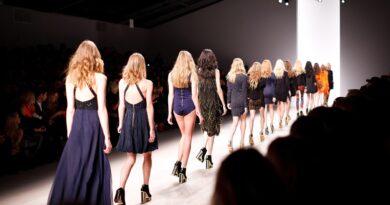
As of September 4, 2026, the latest fashion trends do not point to one strict look. Fall is built around contrast: practical layers styled in less expected ways, elegant tailoring worn with ease, body-conscious silhouettes balanced by volume, and evening details that reference Art Deco without turning into costume. Vogue and British Vogue published autumn-winter 2026 trend reports on August 19, 2026, and both positioned the season as more expressive than the quiet, pared-back mood of recent years. The useful takeaway is that style in late 2026 is less about buying into a complete aesthetic and more about making sharper choices in proportion, texture, color, and long-term value. (vogue.com)
For more seasonal coverage, visit the Fashion Trends section on Shuaigo.
The six style directions worth watching
The strongest fall 2026 signals can be grouped into six wearable directions. They are not rules, and they do not require a full wardrobe reset. They work better as styling tools that can update pieces many people already own.
The power of styling
One of the clearest shifts is the return of styling as the main event. Vogue connected this idea to the fall-winter 2026 Prada runway, noting that familiar pieces such as cardigans, shirts, skirts, and workwear jackets can feel new through layering and unexpected pairings. British Vogue made a similar point: versatile clothes matter more when they can move from office to evening, or from understated to expressive, with only a few changes. (vogue.com)
In practical terms, that could mean a white shirt under a knit vest, a cardigan worn as a top, a work jacket over a fluid skirt, or a midi skirt styled with boots instead of classic pumps. This is the easiest trend to adopt because it rewards wardrobe editing rather than constant buying.
Modern ladylike tailoring
The ladylike mood has returned, but not as stiff occasion dressing. Vogue described the autumn-winter 2026 version as softened power dressing, with sculpted jackets, relaxed tailoring, rich textures, and gently shaped waists. British Vogue also highlighted the new-era ladylike blazer, pointing to Dior and Chanel references that make historic codes feel more everyday through denim, boxier cuts, and untucked shirts. (vogue.com)
The key update is ease. A blazer with a defined waist feels more current when paired with loose jeans, a soft knit, or flat shoes. A skirt suit can also work better when the pieces are separated and worn casually. Instead of buying a matching set, look for one structured layer that can carry several outfits.
Body-conscious layering
Body-focused dressing is also part of the latest fashion trends, but the wearable version is about layering, not exposure for its own sake. Vogue pointed to second-skin maxi dresses, sheer layers, knit bustier shapes, and lingerie-influenced slips across fall 2026 collections. British Vogue described the body as a primary focus at Alaïa and noted similar slim, minimal silhouettes at several major houses. (vogue.com)
For everyday dressing, this can translate into a ribbed maxi dress under a long coat, a sheer blouse layered over a camisole, or a fitted turtleneck tucked into wide trousers. Balance matters: if the base layer sits close to the body, add a longer coat, an oversized blazer, or a substantial boot.
Art Deco evening
Eveningwear is moving away from plain minimalism. Vogue identified Art Deco evening as a fall 2026 direction, citing rich texture, geometric glamour, fringe, velvet, gloves, and opulent bags. British Vogue also saw 1920s references in beaded tunics, flapper-coded embellishment, and lace, while noting that the effect can be subtle rather than literal. (vogue.com)
This trend is strongest for party dressing, weddings, and holiday wardrobes. A beaded top with tailored trousers may be more useful than a fully embellished dress. A velvet bag, satin skirt, lace-trimmed blouse, or low-shine metallic shoe can bring in the mood without looking themed.
Earthy florals and countryside codes
Fall florals are darker and more grounded than spring florals. Vogue connected the direction to countryside references such as heritage plaids, khaki barn jackets, cozy knits, and deeper floral brocades, with examples across Dries Van Noten, Simone Rocha, and Erdem. The important difference is mood: florals are less sweet and more textured, often appearing in brocade, velvet, wool, or darker grounds. (vogue.com)
For a wearable approach, pair a moody floral skirt with a plain sweater, a barn jacket with polished boots, or a floral blouse under a tailored coat. This is also a good area for secondhand shopping because older brocade, tapestry, velvet, and printed pieces can fit the direction well.
Playful proportions
Proportion is where fall 2026 feels most visibly new. Vogue pointed to oversized designs, cropped shapes, cocoon tailoring, dramatic hems, and billowy trousers. British Vogue highlighted dropped waists, peplum shapes, pannier-like skirts, and small silhouette adjustments that change the whole effect of an outfit. (vogue.com)
The styling rule is to create one focal point. Try a cropped jacket with a longer skirt, a peplum top with narrow trousers, or wide pants with a fitted knit. Avoid stacking too many extreme shapes at once unless the goal is a runway-level statement.
Runway signals vs real shopping signals
Runway trends matter, but they are only one side of the story. Shopping data suggests that consumers are responding to mood, weather, value, and cultural moments as much as to designer direction. Lyst’s Q2 2026 Index reported that consumers were often shopping for a seasonal idea rather than a single brand, while sport became a powerful discovery engine during the summer. The same report said Chanel retained the top position in its index and that searches for a New York Knicks cap rose 4,276 percent quarter over quarter. (lyst.com) See also: Outfit Ideas.
| Trend signal | What sources show | How to use it |
|---|---|---|
| Runway styling | Layering, reworked basics, cardigans, shirts, skirts, and workwear jackets are being styled in less predictable combinations. | Restyle core pieces before buying more. |
| Expressive tailoring | Blazers, skirt suits, sculpted jackets, and softened suiting are replacing rigid corporate dressing. | Choose one tailored piece and dress it down. |
| Seasonal shopping | Lyst reported demand for warm-weather accessories, resort-ready labels, and sport-linked products in Q2 2026. | Watch what people actually need by season, not only what appeared on the runway. |
| Resale and value | McKinsey and The Business of Fashion expect the secondhand fashion and luxury market to grow two to three times faster than the firsthand market through 2027. | Buy pieces with repeat-wear potential and resale relevance. |
The useful gap is between inspiration and adoption. Runway reports show where silhouettes and styling are moving; market reports help explain why shoppers may adopt only the parts that fit their budgets, weather, and daily routines.
The color story is calmer than the silhouettes
Color in 2026 is split between calm neutrals and saturated, directional accents. Pantone named PANTONE 11-4201 Cloud Dancer, a soft white, as its Color of the Year 2026. WGSN and Coloro identified Transformative Teal as their 2026 Color of the Year, positioning it as a blue-green shade associated with change and stability. These forecasts do not automatically decide what everyone will wear, but they help explain why milky whites, teal, cocoa, soft purple, and green accents are appearing across product and styling conversations. (pantone.com)
The practical way to wear these colors is through contrast. Cloudy whites look modern with black, denim, cocoa brown, or metallic accessories. Transformative teal can work as a knit, bag, scarf, dress, or nail color if a full teal outfit feels too bold. If your wardrobe is mostly neutral, one teal or green accessory can refresh older pieces without creating a short-lived trend purchase.
Why resale and smarter buying are part of the trend
Fashion trends in 2026 are shaped by economics as much as aesthetics. McKinsey and The Business of Fashion reported that executives most often used the word challenging to describe the 2026 industry environment, with tariffs cited as the number-one hurdle. Their report also said 46 percent of surveyed executives expected conditions to worsen in 2026, while the industry was projected to post low single-digit growth. (mckinsey.com)
Those pressures help explain why resale, repair, and wardrobe versatility feel more relevant. ThredUp’s 2026 Resale Report projected the global secondhand apparel market to reach $393 billion by 2030 and said it is expected to grow twice as fast as the overall apparel market. ThredUp also reported that nearly half of secondhand discovery now happens through social media, creators, and distributed digital channels rather than only through marketplace search. (thredup.com)
The Ellen MacArthur Foundation added another angle in a May 21, 2026 report, arguing that resale and repair can create economic value but face a system designed around linear production. It highlighted taxation, labor costs, and extended producer responsibility as policy levers that could make circular models more viable. (ellenmacarthurfoundation.org)
For readers, the takeaway is not to stop enjoying trends. It is to choose trends with a longer life. A strong blazer, a textured evening top, a leather or suede jacket, a dark floral skirt, or a sculptural knit may work across several seasons. Highly specific novelty items can still be fun, but they should earn their place through repeat wear.
How to wear the latest fashion trends without overbuying
- Start with styling. Before shopping, test three new combinations from your existing wardrobe: shirt under knit, blazer over dress, or skirt with a work jacket.
- Buy one silhouette update. Choose a peplum top, cropped jacket, dropped-waist dress, or sculpted blazer rather than changing every category at once.
- Use evening details sparingly. Try fringe, velvet, beading, or satin in one item, then keep the rest of the outfit clean.
- Let color do small work. A teal scarf, cloud-white shirt, cocoa knit, or green shoe can update older neutrals.
- Check resale first for texture. Brocade, velvet, leather, suede, and vintage evening bags often fit 2026 trends and may offer better value secondhand.
- Think in cost per wear. A trend is more useful when it works for weekday, evening, and travel outfits, not just one photo.
Frequently asked questions
What are the latest fashion trends for fall 2026?
The main fall 2026 trends are expressive styling, softened ladylike tailoring, body-conscious layering, Art Deco evening details, earthy florals, countryside references, and playful proportions. The strongest overall shift is away from one uniform aesthetic and toward more personal combinations.
Is quiet luxury over in 2026?
Not completely. Clean, high-quality basics still matter, but fall 2026 adds more texture, shape, embellishment, and personality. The better description is a reset: minimal pieces remain useful, but they are being styled with more contrast.
What colors are trending in 2026?
Two influential color references are Pantone’s Cloud Dancer, a soft white, and WGSN and Coloro’s Transformative Teal. In clothing, these translate into airy neutrals, blue-green accents, cocoa brown, soft purple, and grounded greens rather than one mandatory palette.
Which 2026 trend is easiest to wear now?
The power-of-styling trend is the easiest because it starts with clothes you may already own. Try a blazer with loose denim, a cardigan over a dress, a button-down under a vest, or a polished skirt with a utility jacket.
How can I follow trends more sustainably?
Choose trends that fit your real routine, buy fewer but more versatile pieces, repair what you already own, and consider resale for texture-rich items. The goal is not to reject trends, but to make each trend purchase work harder.