High end fashion designers to know before you shop luxury fashion
What high end fashion designers mean in 2026
High end fashion designers are not simply expensive clothing labels. In practical shopping terms, they are designers or fashion houses whose value comes from creative authorship, craftsmanship, fabric quality, brand heritage, controlled distribution and cultural influence. The useful question is not only which name is famous, but what kind of design value that name delivers. Some houses are strongest in tailoring, some in leather goods, some in couture-level fantasy, and others in quiet wardrobe pieces made to last. This guide focuses on the signals that matter before you buy, rather than the noise around logos and hype. For more buyer-focused fashion explainers, visit our Shopping Guides.
The context matters because luxury fashion has changed. The Bain-Altagamma spring 2026 update reported that personal luxury goods spending reached about €358 billion in 2025 and projected moderate growth for 2026 under its base case. Shoppers are still interested in luxury, but the market is more selective than it was during the post-pandemic boom. In this environment, understanding designers is more useful than simply following the most visible brand name.
The difference between designer, luxury and haute couture
The terms designer, luxury and couture are often used together, but they do not mean the same thing. A designer brand may be built around a named creative founder, a studio team or the codes of a historical house. A luxury brand usually adds controlled distribution, high pricing, brand storytelling and premium materials. Haute couture is narrower. The Fédération de la Haute Couture et de la Mode describes haute couture as a regulated, selective sector tied to craftsmanship, personalization, collection schedules and atelier know-how.
That distinction matters when shopping. A ready-to-wear jacket from a famous house is not the same category as a made-to-measure couture garment. A luxury handbag may carry more brand recognition than a beautifully cut coat from a smaller designer. A runway look may influence culture without being practical for daily wear. Knowing the category helps you judge whether the price is attached to materials, labor, scarcity, brand power, resale demand or a mix of those factors.
| Term | What it usually means | What shoppers should check |
|---|---|---|
| Designer fashion | Clothing or accessories shaped by a recognizable creative point of view | Silhouette, originality, fit and consistency across collections |
| Luxury fashion | Premium positioning supported by materials, distribution, service and brand equity | Construction, aftercare, pricing history and whether the item is core or seasonal |
| Haute couture | A highly selective, atelier-based craft category connected to official Paris couture structures | Whether the house is officially associated with couture rather than just using the word loosely |
A practical map of high end fashion designers
There is no single official list of high end fashion designers that fits every shopper. A more useful approach is to group designers by what they are known for. This makes the search more practical than a ranking, because the right designer for a tailored blazer may not be the right designer for a sculptural evening dress, minimalist handbag or experimental knit.
Heritage couture and Paris-led houses
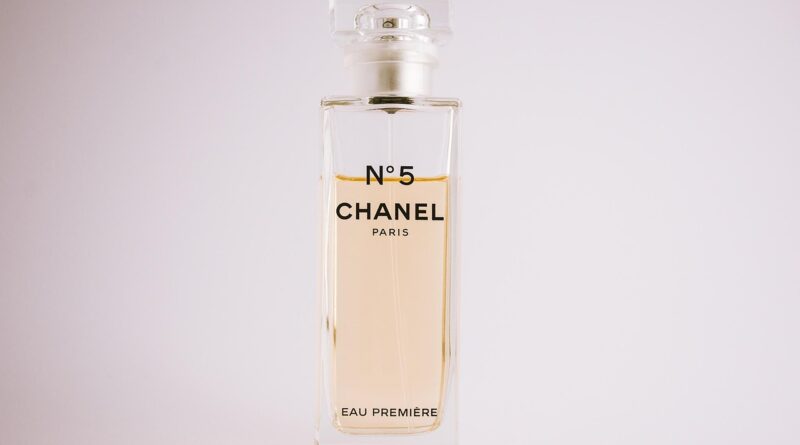
Chanel, Dior, Givenchy, Balenciaga, Schiaparelli and Jean Paul Gaultier sit close to the couture conversation, although each house operates differently across couture, ready-to-wear, accessories and fragrance. Their influence often comes from long-running house codes: Chanel’s tweed, quilting and camellia references; Dior’s bar jacket and New Look legacy; Balenciaga’s architectural shapes; Schiaparelli’s surrealist vocabulary. These houses are especially relevant for shoppers who want design with a strong historical identity.
Italian and European luxury powerhouses
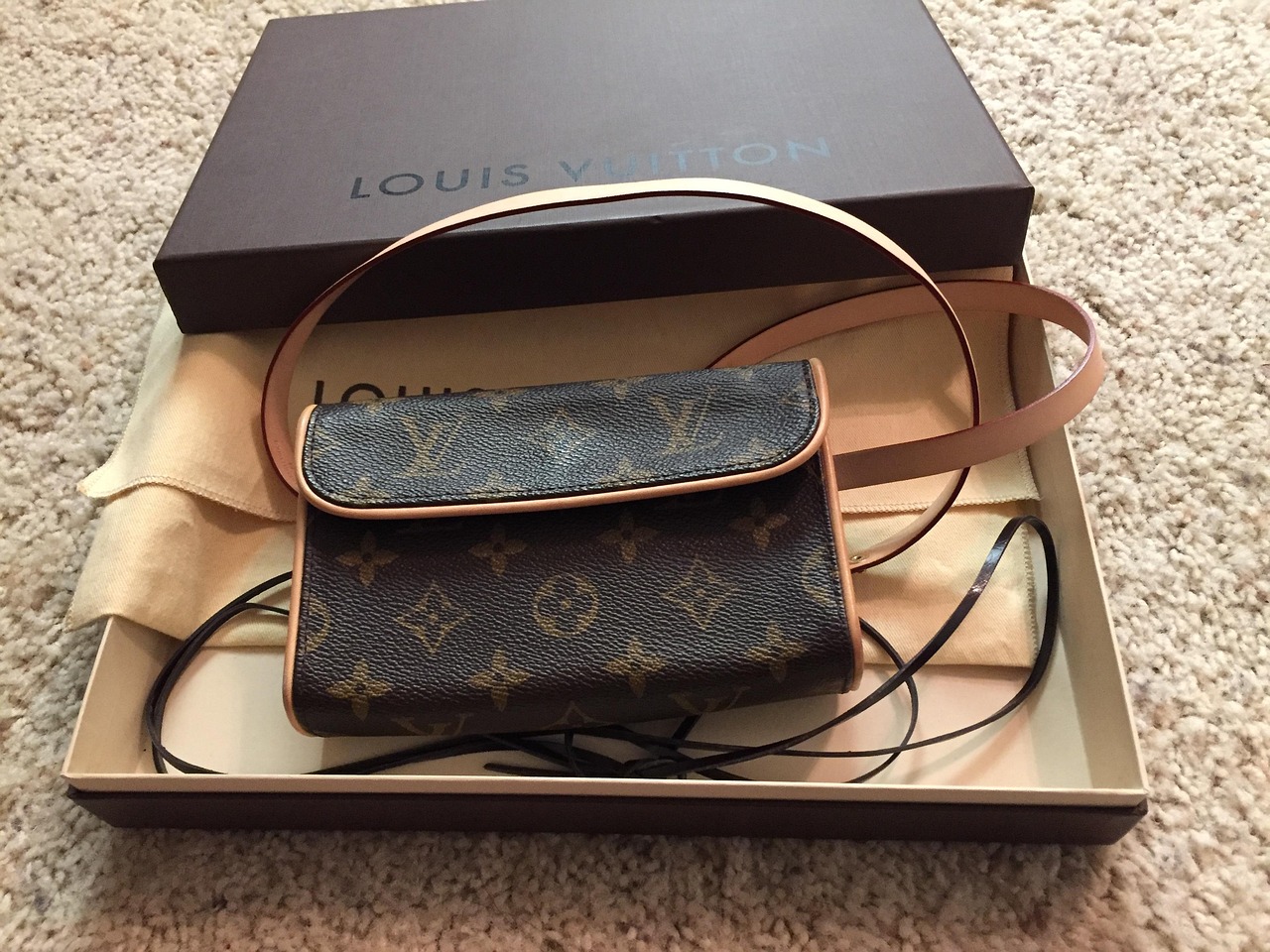
Prada, Miu Miu, Gucci, Bottega Veneta, Fendi, Versace, Valentino, Saint Laurent, Hermès and Louis Vuitton occupy different parts of the high end landscape. Prada and Miu Miu are often discussed for intellectual styling and trend influence. Bottega Veneta is associated with leather craft and understated visual codes. Saint Laurent has built a consistent language around sharp tailoring, evening dressing and Parisian rock polish. Hermès remains strongly linked to leather, silk and scarcity. Louis Vuitton combines travel heritage, leather goods and global scale.
Minimal, independent and design-led labels
High end fashion is not limited to conglomerate-owned houses. The Row, Alaïa, Rick Owens, Comme des Garçons, Dries Van Noten, Jil Sander, Wales Bonner and Simone Rocha show how a clear design language can be as valuable as a large logo. These names often appeal to shoppers who care about cut, fabric, proportion and styling longevity. They may not always be the easiest entry point for beginners, but they can deliver a strong wardrobe identity when chosen carefully.
| Designer or house | Common design association | Good starting category |
|---|---|---|
| Chanel | Parisian codes, tweed, quilting, polished classics | Jackets, small leather goods, shoes |
| Dior | Feminine tailoring, couture heritage, romantic structure | Coats, dresses, bags |
| Prada | Intellectual minimalism, nylon, sharp styling | Bags, loafers, skirts, outerwear |
| Miu Miu | Youthful styling, subverted classics, strong trend impact | Shoes, bags, knitwear, skirts |
| Bottega Veneta | Leather craft, intrecciato weaving, quiet luxury | Bags, shoes, leather jackets |
| Saint Laurent | Sharp eveningwear, tailoring, slim silhouettes | Blazers, boots, handbags |
| Hermès | Leather, silk, restrained luxury, scarcity | Scarves, belts, leather goods |
| The Row | Minimalism, refined materials, discreet tailoring | Knitwear, coats, trousers, bags |
| Rick Owens | Dark avant-garde shapes, drape, sculptural volume | Outerwear, boots, jersey pieces |
| Comme des Garçons | Conceptual construction, asymmetry, experimentation | Statement jackets, shirts, runway-led pieces |
How to judge quality before paying luxury prices
A high price can reflect real craft, but it can also reflect brand power. Before buying, inspect the item as a garment first and a status object second. Start with fabric composition. Wool, silk, cashmere, cotton, linen and leather can all vary widely in quality, so the label alone is not enough. Touch the material, check its weight, look at the lining, and consider whether it suits your climate and lifestyle.
Construction is the next signal. On tailoring, check whether seams lie flat, shoulders sit cleanly and the lining does not pull. On knitwear, examine recovery, density and pilling risk. On leather goods, inspect edge paint, stitching regularity, hardware weight and how the bag holds its shape when empty. On shoes, look at the sole, heel attachment, leather flexibility and whether replacement parts or repairs are available.
- Fit beats label value. A famous blazer that pulls at the shoulder will look less expensive than a quieter one that fits cleanly.
- Core styles usually carry less trend risk. Permanent or recurring designs are often easier to style over several years.
- Aftercare affects true cost. Dry cleaning, resoling, leather conditioning and repairs should be part of the budget.
- Resale is useful but not guaranteed. Demand changes with trends, condition, color and size availability.
- Logos should be a choice, not a shortcut. A logo-heavy piece can be stylish, but it should still work without the brand name doing all the work.
What recent industry shifts say about designer value
The luxury market is no longer expanding evenly across every brand and category. Bain-Altagamma’s 2026 update described a stabilizing market after a more difficult 2025, while the BoF-McKinsey State of Fashion 2026 report pointed to slower sales and a wave of creative director changes. For consumers, this matters because brands often respond to slower growth by adjusting product mix, emphasizing icons, refreshing store experiences and focusing more on clients who buy fewer but higher-value pieces.
Creative direction is another factor to watch. In 2025 and 2026, major houses including Dior, Chanel, Gucci, Balenciaga and Loewe attracted industry attention because of new or recent creative leadership. A new designer can make a brand feel exciting, but it can also create uncertainty. The first runway collection may not immediately reflect what arrives in stores months later. Accessories, carryover products and classic categories often move more slowly than the runway conversation.
Online heat also needs careful interpretation. The Lyst Index, for example, measures signals such as shopping behavior, demand and discovery, and its Q1 2026 methodology grouped brand heat around desire, demand and discovery. That is useful for understanding momentum, but it is not the same as measuring garment quality. A brand can be hot online because of styling, celebrity visibility or a viral product. That does not automatically make every item a smart purchase. See also: Fashion Trends.
| Industry signal | What it helps explain | What it does not prove |
|---|---|---|
| Bain-Altagamma luxury studies | Market size, regional shifts and spending direction | Whether one specific coat, bag or shoe is worth buying |
| BoF-McKinsey fashion reports | Executive priorities, business pressures and sector trends | Which designer will remain culturally relevant long term |
| Lyst Index | Online demand and brand heat over a defined period | Material quality, fit or long-term wardrobe value |
| FHCM calendars and couture structures | Official fashion-week and couture ecosystem context | That every product from a house is couture-level in construction |
How to choose the right designer for your wardrobe
The smartest way to shop high end fashion designers is to begin with your wardrobe gaps, not with a brand list. If you need a coat, compare fabric, silhouette, warmth and alteration options before looking at social media popularity. If you want a first designer bag, think about size, weight, closure, shoulder comfort and how often you will use the color. If you are buying shoes, comfort and repairability should be as important as the logo.
A simple three-step filter can prevent expensive mistakes. First, define the role of the item: daily wear, occasional event, travel, work or collection piece. Second, compare at least three designers known for that category. Third, wait long enough to see whether the desire remains after the initial excitement fades. Luxury shopping often rewards patience because seasonal pieces go through markdown cycles, resale listings reveal durability issues, and repeated styling ideas show whether the item fits your real life.
- For a first purchase, choose a category the designer does especially well. Bottega Veneta for leather, Saint Laurent for sharp evening pieces, Prada for smart accessories or The Row for minimal tailoring are examples of category-led thinking.
- Avoid buying only because a designer changed creative directors. New eras can be exciting, but the strongest purchases still need quality and wearability.
- Compare runway appeal with store reality. The piece you buy should work in fabric, fit and care requirements, not just in campaign images.
- Think in cost per wear. A higher price can make sense if the item becomes a true wardrobe anchor.
Common mistakes when shopping high end designers
One mistake is assuming that every product from a luxury house has the same level of value. Within the same brand, a beautifully made coat, a logo T-shirt and a seasonal novelty bag may have very different relationships between price and quality. Another mistake is treating resale prices as permanent. Resale demand can rise when a product is scarce, but it can also fall when trends move on or when supply increases.
Shoppers also confuse editorial importance with personal usefulness. Comme des Garçons or Rick Owens may be highly influential, but their strongest pieces may not suit every wardrobe. Conversely, a quieter designer may receive less viral attention while offering excellent daily wear. The goal is not to own the loudest signal of fashion knowledge. The goal is to buy pieces whose design, construction and emotional value remain convincing after the trend cycle moves forward.
Frequently asked questions
Who are considered high end fashion designers?
High end fashion designers generally include heritage luxury houses, couture-connected maisons, influential ready-to-wear designers and premium independent labels. Examples include Chanel, Dior, Prada, Miu Miu, Saint Laurent, Bottega Veneta, Hermès, Louis Vuitton, The Row, Rick Owens, Alaïa and Comme des Garçons. The exact list depends on whether the focus is couture, accessories, tailoring, street influence or minimalist luxury.
Are high end designer clothes always better quality?
Not always. Many high end pieces use excellent materials and skilled construction, but price also reflects brand equity, marketing, distribution and scarcity. Quality should be checked item by item. Fabric, fit, stitching, lining, hardware, care needs and repair options are more reliable signals than price alone.
What is the safest first luxury fashion purchase?
The safest first purchase is usually a piece with frequent use and a clear role in your wardrobe, such as a well-fitting coat, versatile shoes, a classic bag, a silk scarf or strong knitwear. Avoid buying a highly seasonal item as a first purchase unless you already know your style well.
How do I know if a designer trend will last?
No trend can be guaranteed, but longevity is more likely when the item connects to a designer’s established codes, works with your existing wardrobe and is not dependent on one viral styling moment. Repeated appearances across several seasons are usually a better sign than sudden online heat.
Is quiet luxury still relevant?
Quiet luxury remains relevant as a shopping approach, especially for people who prefer fabric, cut and subtle details over visible branding. However, it is not the only valid direction in high end fashion. Expressive, logo-driven and avant-garde design can also have lasting value when the piece is well made and personally wearable.