
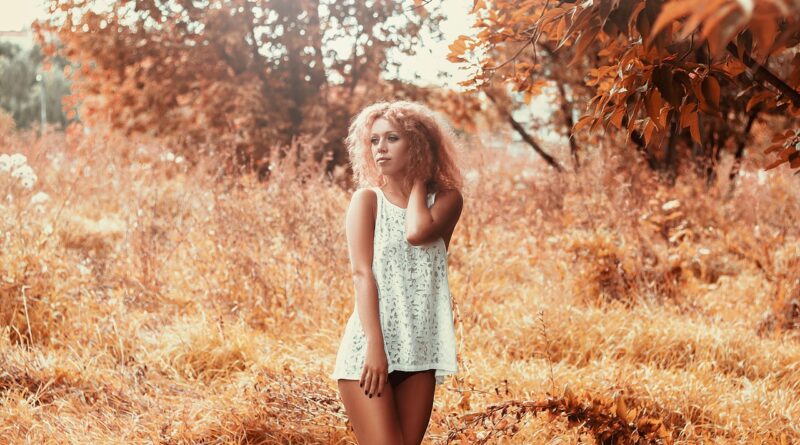
Autumn dress trends 2026 shaping a more expressive fall wardrobe
What changed in autumn dress trends for 2026
The clearest shift in autumn dress trends for 2026 is away from safe, minimal dresses and toward pieces with a stronger point of view: velvet, lace, leather, draping, ruffles, drop waists, bold color and Art Deco-style embellishment. Runway reports published in September 2026 by Vogue and British Vogue describe the season in different language, but they point in the same direction. Dresses are becoming more expressive, more tactile and more intentionally styled.
That does not mean every fall wardrobe needs a dramatic gown. The practical takeaway is narrower and more useful: one visible element, such as a textured fabric, sculptural sleeve, saturated color or lower waistline, can make a dress feel current without making it difficult to wear.
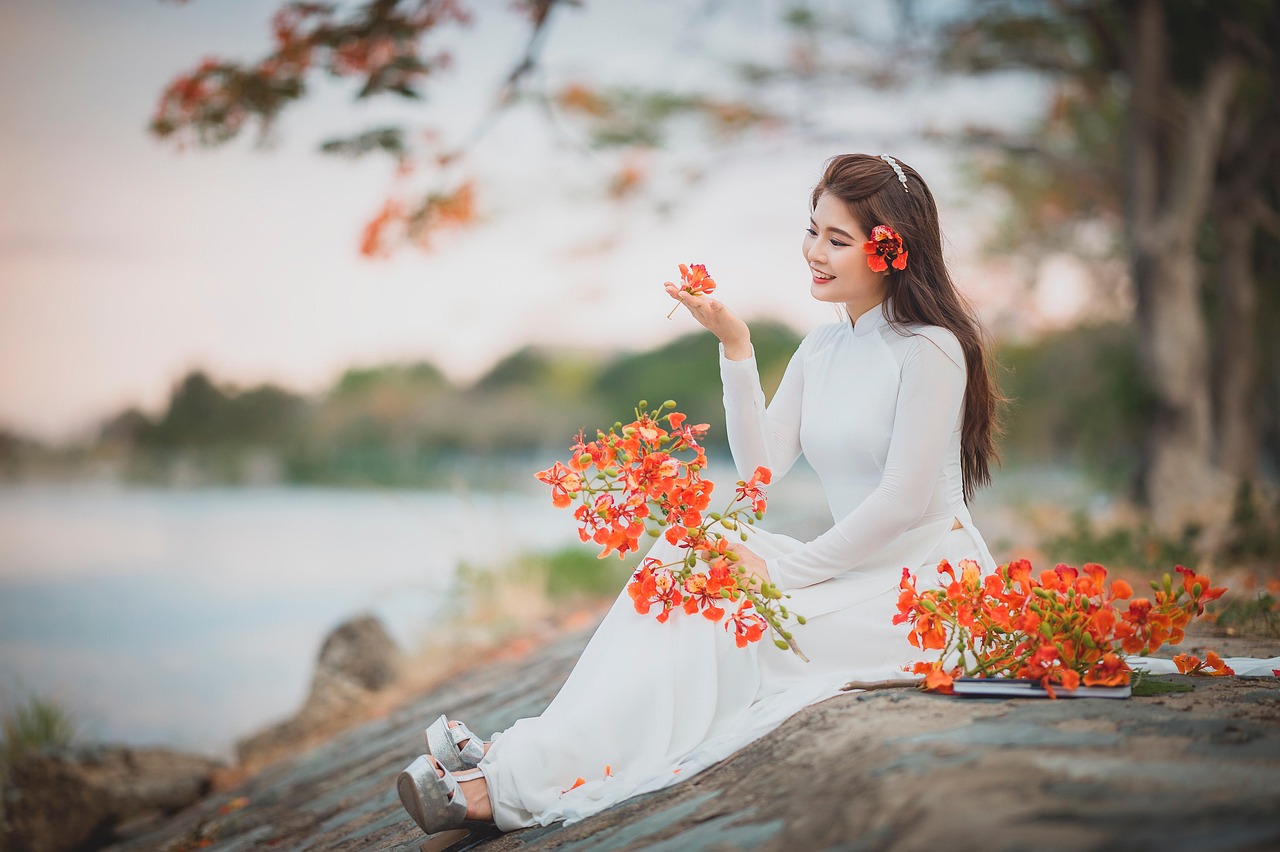
For readers comparing seasonal looks, this guide focuses on the ideas most repeatable off the runway: shapes that work with coats and boots, fabrics that suit cooler weather, and styling choices that can move between work, weekends and evening plans.
The 2026 autumn dress trend map at a glance
The most useful way to read the season is to group the trends into five practical themes. Vogue’s September 2, 2026 fall dress coverage emphasized statement prints, draped silhouettes, bold brights, velvet, leather, Art Deco decoration, lace, ruffles, bodycon details and playful proportions. British Vogue’s September 1, 2026 dress report highlighted layered dresses, autumn florals, lace, form-fitting silhouettes and drop-waist styles. A September 13, 2026 British Vogue trend feature also framed the wider autumn/winter mood as more whimsical and less attached to quiet luxury.
| Trend theme | What it looks like | How to wear it in real life |
|---|---|---|
| Expressive color and print | Jewel tones, saturated brights, large florals, abstract prints and graphic pattern | Choose one strong dress and keep outerwear simple |
| Lower and softer silhouettes | Drop waists, bubble hems, ruffles, puff sleeves and full skirts | Balance volume with sleek boots, a narrow coat or minimal accessories |
| Tactile fabrics | Velvet, suede, leather, lace, bouclé, fuzzy knits and feather-like trims | Use texture as the main statement instead of adding heavy jewelry |
| Decorative evening details | Fringe, paillettes, embroidery, beading and 1920s references | Try a slip dress with a long coat for a controlled evening look |
| Polished body-conscious dressing | Ruched midis, long knitted dresses, cutouts and close-fitting black dresses | Look for below-the-knee lengths, sleeves or layering pieces for balance |
Statement dresses replace quiet basics
One of the strongest signals for autumn 2026 is the return of the dress as the main event. Recent wardrobes have relied heavily on clean slips, ribbed midis and simple shirt dresses. Those pieces still have value, especially as layering foundations, but the newer direction asks the dress to carry more of the visual interest.
That interest can come from painterly prints, rich jewel colors, oversized checks, saturated reds, deep greens, saffron tones, sapphire blues or abstract florals. The advantage is simplicity: when the dress already has presence, the rest of the outfit can stay relatively plain.
Bold color is not limited to party dressing
Pantone’s Fashion Color Trend Report for New York Fashion Week Autumn/Winter 2026/2027, released earlier in 2026, described a palette built around duality, with earthy tones and considered neutrals sitting beside more vivid shades. For dresses, that gives shoppers two clear routes into color.
A burgundy velvet midi, dark teal wrap dress or persimmon-toned column dress can look seasonal without feeling novelty-driven. If a fully bright dress feels too strong, use color through a print where brown, black, cream or grey breaks up the intensity.
Art Deco details add evening energy
Art Deco influence is another notable thread in 2026 dress coverage. The look appears through fringe, crystals, embroidery, paillettes and slim slip shapes that nod to 1920s eveningwear. The wearable version should not read as costume. A lightly embellished midi, beaded neckline or fringed hem is often enough.
The easiest styling formula is restraint: one decorated dress, one long coat, one clean shoe shape and no competing accessories.
Soft volume and lower waists update the silhouette
The silhouette story is less about one hemline and more about proportion. Drop waists, bubble hems, tiered skirts, ruffles and sculptural sleeves all change where the eye lands on the body. That is why autumn dress trends in 2026 feel noticeably different from the straight slips and plain knit columns that have dominated many transitional wardrobes.
Drop waists are back, but they need proportion
British Vogue specifically pointed to relaxed V-neck drop-waist dresses at Chanel’s autumn/winter 2026 show as part of the year’s dress conversation. The modern drop waist works best when the top half is easy rather than tight and the skirt has movement.
For everyday wear, look for a midi length, soft fabric and a waist seam that sits slightly below the natural waist rather than directly at the hipbone. A structured blazer can make the shape feel more adult; a cropped jacket can make the lower waist more obvious.
Ruffles and sleeves look cleaner when the palette is simple
Ruffles are also returning in a more architectural way. Instead of small decorative frills everywhere, the 2026 version often uses larger tiers, hip-level volume, pleated folds or sculptural sleeves. The trick is to let the cut do the work. A black ruffled midi, cream puff-sleeve dress or chocolate brown tiered style can feel modern because the color is quiet while the shape is expressive.
Texture is the practical way into the trend
For many wardrobes, fabric will be the most realistic entry point. Texture reads clearly in autumn because it works naturally with boots, tights, coats and knit layers. It also makes a familiar shape feel new. A simple velvet column, suede shift, leather midi or lace-trimmed slip can carry more seasonal weight than the same silhouette in plain cotton or thin jersey.
Velvet, suede and leather bring structure to cold-weather dressing
Vogue’s fall 2026 dress coverage singled out velvet and leather as important dress categories. Velvet supports the season’s romantic mood, especially in black, burgundy, deep teal, plum and golden brown. Leather and suede lean more polished, making them useful for office-to-dinner dressing when the cut is simple.
A sleeveless leather dress can be layered over a fine knit; a suede midi can be softened with a cardigan; a velvet dress can move from day to evening with a boot change. See also: Fashion Trends.
Lace has two directions this season
Lace is appearing in both romantic and darker interpretations. Vogue discussed head-to-toe lace in soft colors, while Who What Wear’s autumn 2026 coverage emphasized a gothic-romantic mood with high necklines, sheer panels and long black lace shapes.
The difference comes down to styling. Ivory, dusty pink or pale blue lace feels delicate with pumps or ballet flats. Black lace becomes more dramatic with opaque tights, a blazer or a long wool coat.
Body-conscious dresses look more polished than provocative
Form-fitting dresses are part of the season, but the most wearable versions are controlled rather than exposed. Vogue connected the look with Gucci, Balenciaga, Alaïa and Calvin Klein, noting close fits, plunging details and below-the-knee lengths. British Vogue also listed form-fitting silhouettes among the dress trends defining 2026.
The important detail is balance. A body-skimming black midi with long sleeves feels different from a short cutout mini. A ribbed maxi can be sensual and practical. A ruched dress can soften the line while still feeling close to the body.
For everyday styling, use coverage somewhere: a higher neckline, longer hem, heavier knit, tall boot, blazer or opaque tight. This makes the trend more flexible for dinners, events and creative workplaces. If cutouts are involved, smaller side or shoulder details tend to be easier to repeat than large waist or torso openings.
How to style the trends without buying a whole new wardrobe
The point of trend reading is not to replace every dress. It is to identify which details can refresh what you already wear. If you follow Seasonal Trends, the most useful approach is to choose one seasonal signal and repeat it across outfits.
- For work: Try a long-sleeve midi in suede, ponte, compact knit or soft leather. Add a blazer or tailored coat, then finish with knee-high boots or loafers.
- For weekends: Use a printed dress with a relaxed cardigan, barn jacket or trench. Keep the shoe practical, such as a flat boot, loafer or clean trainer.
- For evenings: Choose velvet, lace, metallic fabric or Art Deco-style embellishment. Let the dress be the focus and keep the bag and shoes simple.
- For transitional weather: Layer a slip or lace dress over a thin knit, or wear a sleeveless leather dress over a fitted long-sleeve top.
- For a low-risk update: Start with burgundy, dark teal, chocolate, black or warm grey before moving into brighter reds, sapphire blue or saffron orange.
What to avoid when interpreting the trend
Not every runway idea should be copied literally. Some autumn/winter 2026 looks depend on styling, lighting, runway scale or event dressing that does not translate directly to a normal week. Treat dramatic latex, extreme sheerness, very large pannier-style volume and heavy embellishment as inspiration unless your lifestyle supports them.
It is also worth separating source observation from styling advice. When fashion editors identify lace, drop waists or velvet across runway collections, that is a trend signal. When this article recommends a blazer, boot or simpler palette, that is an editorial translation designed to make the trend easier to wear.
Climate, dress codes, budget and care requirements still matter. Velvet can crush, leather needs storage space, pale lace can be delicate, and a low waist may require trying different lengths before the proportion feels right.
Frequently asked questions
What are the main autumn dress trends for 2026?
The main trends are statement prints, bold color, velvet, leather, lace, draped dresses, Art Deco embellishment, modern ruffles, drop waists, playful proportions and polished body-conscious silhouettes. The common theme is expressive dressing rather than plain minimalism.
Are floral dresses still relevant for autumn 2026?
Yes, but the mood is darker and richer than spring florals. Look for moody blooms, brocade-like patterns, abstract florals, deeper backgrounds and heavier fabrics. Pairing a floral dress with boots and a long coat makes it feel autumnal.
Which autumn dress trend is easiest to wear first?
Texture is usually the easiest starting point. A velvet midi, suede shift, ribbed knit maxi or lace-trimmed slip can update an outfit without requiring a dramatic silhouette or very bright color.
How can I make a statement dress feel practical?
Limit the outfit to one focal point. If the dress has a bold print, choose simple boots and a plain coat. If the fabric is velvet or leather, keep jewelry minimal. If the shape has ruffles or puff sleeves, use a clean color palette.
Will drop-waist dresses suit every body type?
No single silhouette suits everyone in the same way. Drop waists can be elegant, but proportion is important. Try softer fabrics, midi lengths and waist seams that sit only slightly lower than the natural waist if a true hip-level drop feels difficult.