
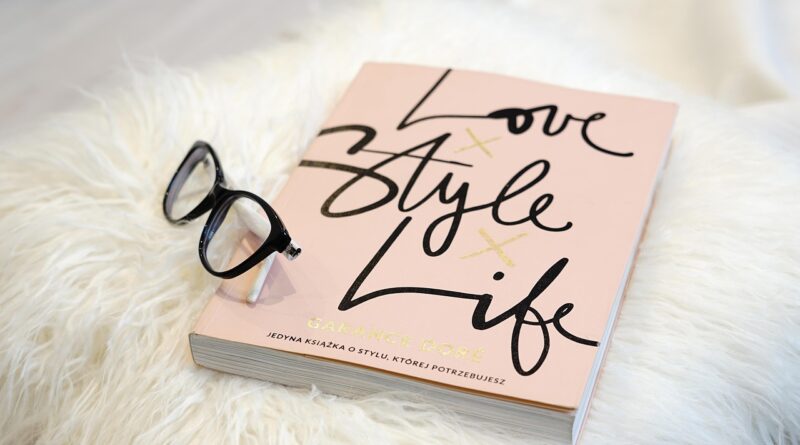
How to create a style book for a more consistent wardrobe
What a style book is and why it works
A style book is a practical visual guide to the way you dress. It brings together the outfit formulas, colors, silhouettes, fabrics, accessories, and styling notes that make your wardrobe feel consistent. Unlike a simple mood board, it is not just a collection of inspiration. It turns taste into usable decisions: what to wear, what to buy, what to avoid, and how to repeat your best looks without making them feel stale.
The main value is clarity. A good style book reduces guesswork, especially on ordinary days when you do not want to rebuild an outfit from scratch. It helps you see patterns in the clothes you already reach for, identify gaps before shopping, and separate personal style from short-term trends. It can be digital, printed, or kept as a folder of images and notes. The format matters less than whether it is specific enough to guide real choices.

What to include in a useful style book
The strongest style books combine visuals with short, precise notes. Images show the overall direction; written rules explain why a look works. If the book only contains attractive photos, it may inspire you without helping you get dressed. If it only contains text, it can feel too abstract. A balanced style book gives you both.
Outfit formulas you actually wear
An outfit formula is a repeatable combination, such as straight-leg jeans, a fitted knit, a structured jacket, and low-profile shoes. The point is not to create a uniform that never changes. The point is to understand which combinations make dressing easier and more reliable.
Start by recording five to ten outfits you already like on yourself. Note the proportions, not just the individual items. A cropped jacket, for example, may work because it balances wide trousers. A longer coat may work because it creates a clean vertical line. These observations are usually more useful than a simple list of products.
Color palette and contrast level
Your style book should include the colors you wear most, the colors you like in theory, and the colors that rarely leave the closet. Divide them into core neutrals, supporting colors, and accents. This makes shopping more focused and helps simple outfits look intentional.
Also note your preferred contrast level. Some people feel best in high-contrast combinations such as black and white. Others prefer softer combinations such as oatmeal, taupe, olive, and faded denim. This is a practical styling detail because contrast affects how polished or natural an outfit feels on you.
Fit, proportion, and comfort notes
Fit notes are one of the most useful parts of a style book because they help prevent repeated shopping mistakes. Record the rises, lengths, necklines, sleeve shapes, and shoe heights that work well for your body, lifestyle, and comfort needs. Be specific. Instead of writing that you like relaxed trousers, note whether you prefer a full-length trouser, an ankle-length trouser, or a wide-leg shape with a defined waist.
Comfort should be treated as a style factor, not an afterthought. Clothes that pinch, slide, wrinkle badly, or require constant adjustment rarely become dependable wardrobe pieces. If an item looks good in a mirror but does not hold up through a normal day, the style book should record that limitation.
Occasions, seasons, and lifestyle categories
A realistic style book reflects your actual week. Separate looks by setting: work, casual days, travel, evening plans, special events, and weather conditions. This helps avoid a common problem: building a style identity around rare occasions while everyday dressing remains unresolved.
Seasonal notes are useful too. A summer style book may focus on breathable fabrics, sandals, lighter color combinations, and sun-friendly layers. A winter style book may emphasize coats, knitwear, boots, thermal layering, and richer textures. The more directly the book relates to your climate and routine, the more often you will use it.
How to build your first style book
You do not need to redesign your wardrobe before creating a style book. It is usually better to begin with what you already own because your existing habits reveal more than an ideal shopping list. The process below keeps the project practical rather than purely aspirational.
- Audit your favorite outfits. Photograph or save images of outfits you have worn and liked. Include casual outfits, not just polished ones.
- Identify repeated elements. Look for recurring colors, shapes, shoes, layers, bags, jewelry, and proportions.
- Name the formulas. Use clear labels such as relaxed tailoring, denim and knitwear, monochrome layers, or soft minimal outfits.
- Add short notes. Write why each outfit works. Mention fit, comfort, color, mood, and setting.
- Record what does not work. A useful style book includes avoid notes, such as fabrics that wrinkle too much or shoes that change the whole proportion of an outfit.
- Create a shopping filter. Turn your observations into questions to ask before buying anything new.
- Review monthly or seasonally. Update the book when your lifestyle, size, work setting, climate, or preferences change.
The first version does not need to be beautiful. It needs to be honest. A simple folder with photos and notes can be more effective than an elaborate layout that you never update.
Style book vs mood board vs capsule wardrobe
These three tools are often confused, but they serve different purposes. Understanding the difference helps you avoid building a style book that is too vague or too restrictive.
| Tool | Main purpose | Best use | Common limitation |
|---|---|---|---|
| Style book | Turns personal style into repeatable outfit guidance | Daily dressing, shopping decisions, wardrobe planning | Needs regular updates to stay relevant |
| Mood board | Collects visual inspiration and aesthetic direction | Exploring taste, colors, mood, and references | Can stay too aspirational if not connected to real clothes |
| Capsule wardrobe | Creates a smaller set of mixable clothing | Simplifying choices and improving outfit compatibility | Can feel too rigid if lifestyle needs are broad |
A mood board can be the starting point for a style book, but it should not be the entire book. A capsule wardrobe can be one outcome of a style book, but it is not required. The style book is the decision-making layer. It explains what belongs, what does not, and why.
How a style book improves shopping decisions
The most immediate benefit of a style book is better shopping discipline. It gives you a personal standard before you enter a store, browse a sale, or react to a trend. Instead of asking whether an item is attractive in isolation, you ask whether it strengthens the wardrobe you are building. See also: Fashion Trends.
Use your style book as a shopping checklist. Before buying, consider these questions:
- Does this item fit at least three outfit formulas already in the book?
- Does the color belong to my core palette, supporting palette, or intentional accent range?
- Does the fabric match my climate, care habits, and comfort needs?
- Does the silhouette work with shoes and outerwear I already own?
- Am I buying this because it supports my style, or because it looks good on someone else?
- Would I still want it if it were not discounted or trending?
This approach does not remove creativity. It protects creativity from clutter. A style book makes room for experimentation because it clarifies the base you are working from. Once you know your reliable formulas, you can add a new color, texture, or accessory with more confidence.
Common mistakes to avoid
The most common style book mistake is collecting too much inspiration and too little evidence. A folder full of runway images, celebrity outfits, or editorial photos can be visually exciting, but it may not help you dress for your actual life. Inspiration should be translated into wearable details: color, proportion, texture, layering, styling, or mood.
Another mistake is using vague labels. Words such as chic, classic, edgy, or effortless can be useful starting points, but they are too broad to guide a purchase. Replace them with observable details. For example, classic might mean navy knitwear, straight denim, loafers, simple belts, and wool coats. Edgy might mean sharper boots, darker colors, asymmetrical layers, or metal hardware.
A third mistake is ignoring maintenance. If your style book is full of delicate fabrics but your routine requires machine-washable clothes, the book will create frustration. If most of your saved outfits depend on tailoring but you prefer relaxed comfort, note the tension and adjust. Personal style works best when it respects real behavior.
Finally, avoid treating the style book as a fixed rulebook. Bodies, jobs, budgets, climates, and tastes change. The book should make dressing easier, not make you feel trapped by decisions you made years ago.
A simple style book template
If you want a quick structure, use the template below as a starting point. It works for a digital document, a notes app, a spreadsheet, or a printed binder.
| Section | What to add | Why it matters |
|---|---|---|
| Style words | Three to five specific descriptors with examples | Creates a clear direction without overcomplicating the book |
| Color palette | Core neutrals, supporting colors, accents, and avoid colors | Improves outfit cohesion and reduces random purchases |
| Outfit formulas | Photos and notes for repeatable combinations | Makes daily dressing faster and more consistent |
| Fit notes | Preferred lengths, rises, necklines, sleeves, and shoe shapes | Prevents buying items that look good but do not work in practice |
| Lifestyle categories | Work, casual, travel, events, weather, and seasonal needs | Keeps the book connected to real routines |
| Shopping rules | Questions to ask before buying | Turns inspiration into practical wardrobe control |
| Update log | What changed and why | Helps the book evolve with your life |
For more wardrobe planning ideas, explore the Style Guides section, where broader styling topics can support the same decision-making process.
Frequently asked questions
Is a style book only for people who love fashion?
No. A style book can be even more useful for someone who does not want to think about clothes every morning. It reduces decisions by documenting what already works. The result can be expressive, minimal, polished, casual, or practical depending on the person using it.
Should a style book be digital or printed?
Either format can work. A digital style book is easier to update, search, and reorganize. A printed version can feel more intentional and may be easier to review without distractions. The best format is the one you will actually maintain.
How often should I update a style book?
Review it at the start of a new season or whenever your lifestyle changes. A new job, commute, climate, body size, dress code, or budget can all change what your wardrobe needs to do. Small updates are usually more useful than a full rebuild.
Can a style book include trends?
Yes, but trends should be filtered through your existing style rules. Add a trend if it fits your palette, proportions, lifestyle, and outfit formulas. If it only works in a highly specific image and not in your real wardrobe, keep it as inspiration rather than a shopping priority.
What is the biggest sign that a style book is working?
The clearest sign is that getting dressed becomes easier. You repeat outfits without feeling stuck, shop with more focus, and understand why certain clothes make you feel more like yourself. A strong style book does not make style rigid; it makes it more usable.