
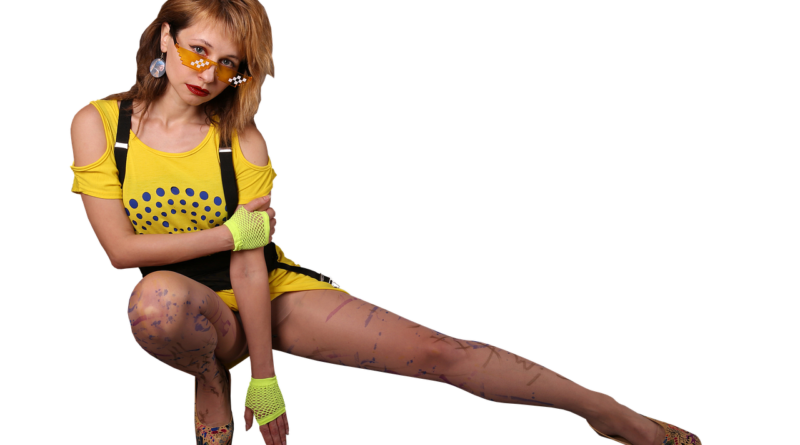
How to find your fashion style with a practical wardrobe audit
Start with what you already wear
If you are trying to find your fashion style, start with the wardrobe you use every week, not with a mood board. Personal style is shaped by the clothes you reach for on busy mornings, the colors you repeat, the fits that make you feel put together, and the outfits that match your schedule. A useful style search separates aspiration, habit, and genuine preference.
Before buying anything new, spend one week observing your outfits. Take a quick mirror photo each day, note what felt comfortable, and record anything you changed before leaving the house. This simple audit can reveal more than a list of trend names. You may find that you like tailored shapes but avoid stiff fabrics, or that you admire bold colors but wear neutrals because they mix more easily. You can also explore more in Style Guides.

The aim is not to lock yourself into one label such as minimalist, romantic, streetwear, classic, or bohemian. Those words can be useful references, but personal style works best when it reflects your lifestyle, body comfort, climate, budget, and the image you want to project.
Define your lifestyle before defining your aesthetic
Many style guides begin with inspiration images. They can help, but they often skip the most practical question: where do your clothes need to go? A wardrobe for a hybrid office worker, a college student, a parent with a practical routine, and someone who attends frequent evening events will not solve the same problems.
Write down the main settings you dress for in a typical month. Be specific. Instead of “work,” note whether you need business casual, creative office looks, uniform-friendly layers, or polished video-call outfits. Instead of “weekend,” consider errands, casual dinners, travel, fitness, religious services, or outdoor activities.
| Life setting | What the clothes must do | Style clues to look for |
|---|---|---|
| Work or school | Look appropriate, stay comfortable, repeat well | Blazers, knitwear, structured trousers, clean sneakers, loafers |
| Casual days | Move easily and feel natural | Denim, relaxed shirts, soft layers, practical shoes |
| Social plans | Feel expressive without looking costume-like | Statement color, interesting texture, jewelry, sharper silhouettes |
| Travel | Pack light, resist wrinkles, mix easily | Neutral base pieces, layers, comfortable footwear |
| Special occasions | Look intentional and polished | Dresses, tailoring, elevated fabrics, refined accessories |
This table does not tell you what to like. It clarifies what your wardrobe must support. Once the practical needs are clear, you can choose an aesthetic that works in real life rather than one that only looks good in saved photos.
Run a wardrobe audit in three piles
A wardrobe audit is one of the quickest ways to identify your style patterns. Set aside one to two hours and sort your clothing into three piles: wear often, wear sometimes, and rarely wear. Do not begin by asking whether an item is trendy. Ask whether it earns space in your life.
The wear often pile
This pile is your strongest evidence. Look for repeated colors, necklines, fabrics, rises, sleeve lengths, shoe shapes, and outfit formulas. If you often wear straight-leg jeans, ribbed tanks, oversized shirts, and simple gold jewelry, that pattern tells you more than a dramatic inspiration board full of pieces you never choose.
Also note emotional patterns. Which pieces make you feel polished? Which make you feel relaxed? Which make you feel more confident in photos? Personal style is not only visual; it is connected to ease, identity, and confidence.
The wear sometimes pile
This pile often contains useful but incomplete items. A skirt may be flattering but hard to style, or a jacket may work with only one pair of pants. These pieces can point to missing wardrobe connectors: a better shoe, a simpler top, a belt, or a neutral layer.
The rarely wear pile
Do not rush to donate everything. First, ask why each item is neglected. Common reasons include poor fit, uncomfortable fabric, a difficult color, an unclear occasion, high maintenance, or a style that belongs to an imagined lifestyle. If the problem can be fixed with tailoring, styling, or a missing basic, keep the item temporarily. If it repeatedly fails, let it teach you what not to buy again.
Build a personal style vocabulary
Once you have studied your wardrobe, give your style some language. Choose three to five descriptive words that explain how you want to look and feel. Good style words are specific enough to guide decisions but flexible enough to allow variety.
- Polished may point to clean lines, tailored jackets, structured bags, and neat footwear.
- Relaxed may point to softer fabrics, looser silhouettes, denim, knits, and easy layering.
- Romantic may point to fluid shapes, lace, satin, soft prints, delicate jewelry, or lighter colors.
- Modern may point to minimal hardware, monochrome looks, architectural shapes, or unexpected proportions.
- Playful may point to color, print mixing, novelty accessories, or statement shoes.
A strong style vocabulary might be “polished, relaxed, warm, and modern.” Another might be “romantic, vintage-inspired, practical, and soft.” These words become a filter. When you shop, ask whether a new piece supports at least two of them. If it does not, it may be attractive but wrong for your wardrobe.
For more wardrobe and outfit ideas, browse the Style Guides section for related fashion guidance.
Use inspiration without copying it
Inspiration is useful when you analyze it carefully. Instead of saving every outfit you like, save outfits you would realistically wear in some version. Then study the repeated elements. Are you drawn to wide-leg trousers, cropped jackets, column dressing, tonal outfits, sharp collars, soft cardigans, platform shoes, silver jewelry, or earthy colors?
Separate the styling idea from the exact item. You may not need the same designer coat or viral shoe. You may need the formula: fitted top plus wide trousers, long coat plus slim boots, white shirt plus relaxed denim, or monochrome base plus textured accessory.
Turn saved outfits into formulas
An outfit formula is a repeatable combination, not a uniform. For example, “straight jeans + fitted knit + blazer + loafers” can look classic, casual, or edgy depending on color, accessories, and fit. A formula helps you get dressed faster while still leaving room for personal expression.
Create three to five formulas from your inspiration images and wardrobe audit. Test each one with clothes you already own before buying anything. If the formula works, you can improve it gradually with better-fitting or more versatile pieces.
Find the silhouettes, colors, and details that feel like you
Personal style becomes clearer when you identify the shapes and details you prefer. This does not mean following rigid body-type rules. It means noticing which proportions make you feel balanced, comfortable, and ready for the setting you are dressing for. See also: Fashion Trends.
Silhouette
Try different proportions: slim top with wide bottoms, oversized top with narrow bottoms, cropped jacket with high-rise trousers, long layers over a simple base, or fitted pieces from head to toe. Take photos from the front and side. The camera is not there to judge your body; it helps you see proportion more objectively than a quick mirror glance.
Color
Color preferences are often more practical than people expect. Some people feel strongest in black, white, navy, and gray. Others come alive in warm browns, olive, cream, rust, or jewel tones. Instead of chasing every color trend, identify a base palette and a few accent colors. A base palette makes mixing easier; accent colors keep outfits personal.
Texture and detail
Texture can define style as much as color. Leather, linen, denim, satin, wool, ribbed knits, lace, suede, and crisp cotton all send different messages. Details matter too: buttons, collars, sleeve volume, pleats, belts, hardware, stitching, and jewelry scale can shift an outfit from simple to expressive.
If you feel bored in basics, you may need more texture. If you feel overwhelmed in statement pieces, you may prefer simple shapes with one interesting detail. The best style choices often come from these small observations.
Create a shopping filter before you buy
After the audit and inspiration work, build a shopping filter. It protects your budget and keeps your wardrobe consistent. Before buying a piece, ask five questions:
- Does it fit my real lifestyle? If the occasion is rare, the item should be especially useful or meaningful.
- Can I style it at least three ways? If not, it may become a closet orphan.
- Does it match my style words? A beautiful item can still be wrong for your direction.
- Is the fabric comfortable enough to wear for several hours? Style that feels physically irritating is unlikely to last.
- Would I still want it without the sale price or trend pressure? A discount is not a reason to ignore fit, quality, or usefulness.
This filter does not remove spontaneity. It gives spontaneity boundaries. You can still buy something fun, but you will understand whether it is an intentional statement or an impulse purchase.
If you are rebuilding your wardrobe, start with gaps that affect many outfits: a better pair of everyday shoes, a jacket that sharpens simple looks, a versatile bottom, a reliable bag, or tops that work under layers. One strong connector piece can make several existing items easier to wear.
Test your style for 30 days
Style becomes real through repetition. For 30 days, choose outfits using your style words and formulas. Take photos, but focus on usefulness rather than perfection. At the end of each week, review what worked and what felt forced.
Look for patterns. If you keep choosing the same jacket, study why it works. If a color never feels right, stop forcing it. If an outfit looks good but feels uncomfortable, identify whether the issue is fabric, fit, shoes, or occasion. This process turns vague taste into practical knowledge.
During the 30 days, avoid major shopping unless you identify a clear gap. The aim is to learn before you spend. You may discover that you do not need a new wardrobe at all; you need better outfit combinations, tailoring, or a few pieces that connect what you already own.
At the end of the test, write a short style statement. For example: “My style is relaxed and polished, built around neutral colors, structured outerwear, straight-leg denim, soft knits, and simple accessories.” This statement can evolve, but it gives you a clear starting point.
Common mistakes when finding your fashion style
- Choosing an aesthetic before studying your life. A label is less useful than a wardrobe that supports your actual routine.
- Buying a full trend at once. Test one element first, such as a color, silhouette, or accessory.
- Ignoring comfort. If you constantly adjust an item, it is probably not part of your best style.
- Keeping clothes out of guilt. Expensive mistakes can teach valuable rules, but they do not need to occupy prime closet space forever.
- Copying influencers exactly. Use public outfits as inspiration, then adapt them to your body, climate, budget, and lifestyle.
The most useful approach is patient and evidence-based. Your wardrobe already contains clues. Your repeated choices, avoided pieces, favorite proportions, and comfort limits all point toward a style that can become more intentional over time.
Frequently asked questions
How long does it take to find your fashion style?
You can learn a lot in one weekend wardrobe audit, but a realistic style direction usually becomes clearer after several weeks of outfit testing. A 30-day trial gives you enough repetition to see what you actually wear rather than what you only admire.
Do I need to choose one fashion aesthetic?
No. Most people have a blend of influences. You might like classic tailoring, relaxed denim, and romantic details at the same time. Instead of choosing one label, choose style words and outfit formulas that help your wardrobe feel consistent.
What if I like many different styles?
Look for the common thread. You may like different aesthetics because they share a color palette, silhouette, mood, or level of polish. If your taste is broad, keep your base pieces versatile and use accessories, texture, or statement items to express variety.
How can I improve my style without buying new clothes?
Restyle what you own. Try new proportions, tuck or layer pieces differently, change shoes, add a belt, roll sleeves, pair dressy items with casual ones, and photograph outfits to compare results. Tailoring and better organization can also make existing clothing feel more intentional.