
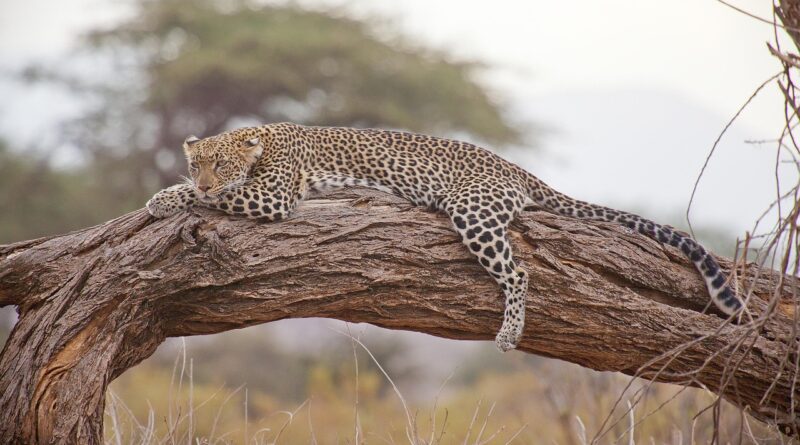
Safari outfit ideas for travel days, city style, and warm weekends
What makes a safari outfit work
Strong safari outfit ideas usually start with three practical decisions: a quiet earth-tone palette, breathable fabric, and layers that can adjust to changing light, temperature, and activity. On a game drive, that often means khaki, sand, olive, stone, or soft brown pieces, plus long sleeves, comfortable trousers, closed shoes, and a light outer layer. In the city, the same codes can look more refined: a belted shirt dress, a structured utility jacket, tailored cargo trousers, or a linen set. The point is not to dress in costume. It is to use safari-inspired details such as pockets, belts, tab sleeves, relaxed tailoring, and sun-ready neutrals in a way that suits the setting.
Safari dressing has always sat between function and fashion. Practical travel guidance favors muted colors, coverage, and layers, while fashion history gives the look its familiar jacket, belt, and utility-pocket language. Musée Yves Saint Laurent Paris records the safari jacket as part of Saint Laurent’s 1967 runway work, which helps explain why the style still moves easily between travel wardrobes and urban outfits. For more everyday styling angles, see our broader outfit ideas section.
The safari color palette that feels modern
A safari palette is easy to recognize, but it can look flat if every item is the same shade of beige. Build depth with related tones instead: ivory with tobacco, stone with olive, camel with cream, or khaki with dark brown leather. These combinations keep the outfit quiet while adding enough contrast for photos, city wear, and evening plans.
For actual safari travel, neutrals are more than an aesthetic choice. Travel operators commonly recommend earth tones because they do not stand out as sharply in dry grass, bush, or dusty landscapes. In some tsetse-fly regions, guides also advise avoiding dark blue and black outer layers, as those colors are often associated with higher fly attraction. Bright white can be impractical because it shows dust quickly and can look stark in natural settings. That does not mean the wardrobe has to feel dull. Sage, mushroom, oatmeal, faded olive, clay, ecru, and soft rust all read as safari-inspired without looking like a uniform.
| Color family | Best use | Style note |
|---|---|---|
| Khaki and sand | Core shirts, trousers, jackets | Classic, practical, and easy to mix |
| Olive and sage | Jackets, vests, utility pants | Adds depth without looking loud |
| Cream and ivory | Tops, linen dresses, knit tanks | Best for city or lodge settings where dust is less of an issue |
| Brown and tan | Belts, sandals, bags, boots | Warms up pale neutrals and looks polished |
| Soft rust or clay | Accent scarf, skirt, knit, evening top | Works as a subtle color accent |
Safari outfit ideas by occasion
The linen shirt and utility trouser
A long-sleeve linen or linen-blend shirt with relaxed utility trousers is the most flexible safari formula. Roll the sleeves for daytime, button the shirt fully for sun coverage, or wear it open over a tank when the setting is casual. Choose trousers with a straight or gently tapered leg rather than very bulky, pocket-heavy cargos if you want a cleaner silhouette. Finish with leather sandals for resort wear or closed walking shoes for travel days.
The safari jacket over a tank and midi skirt
A light safari jacket creates the look without needing a full matching set. For an easy city outfit, layer an olive or khaki utility jacket over a ribbed tank and an A-line midi skirt. A woven belt or leather crossbody bag helps define the waist. This combination works especially well when you want safari references but still need something soft, feminine, and restaurant-friendly.
The belted shirt dress
A shirt dress is the simplest one-piece safari outfit. Look for breathable cotton, linen, or Tencel-style fabrics, chest pockets, a proper collar, and a belt that can be adjusted. Knee-length and midi versions are the most versatile. For daytime, pair the dress with flat sandals or espadrilles. For evening, switch to low block-heel sandals and a small structured bag. If the dress is very loose, a leather belt can make it look intentional rather than shapeless.
The tailored vest with relaxed trousers
A vest is a strong option when the weather is warm but you still want structure. Try a sand-colored waistcoat or sleeveless utility vest with wide-leg trousers in a nearby tone. The balance matters: if the vest is boxy, keep the trousers fluid; if the trousers are cargo-inspired, keep the top cleaner. This outfit is better for city, resort, or airport dressing than for insect-heavy outdoor settings, where sleeves are usually more practical.
The monochrome sand set
A matching shirt and trouser set in sand, beige, or stone looks polished with very little effort. It also solves a common packing problem because each piece can be worn separately. Wear the shirt tucked for a sharper look, half-tucked for travel, or open over a tank by the pool. To avoid looking washed out, add a tan belt, tortoiseshell sunglasses, gold-tone earrings, or darker brown sandals.
The real game-drive layer system
If the outfit is for an actual safari, think in layers rather than one perfect look. Early mornings in open vehicles can feel chilly, while midday sun can become intense. A practical formula is a breathable base top, a long-sleeve shirt, a light fleece or knit, and a wind-resistant jacket that can be removed as the day warms. Add full-length trousers, socks, and closed shoes. This may not be the most editorial outfit, but it is usually the one that keeps you comfortable for several hours outdoors.
The shorts and oversized shirt combination
For warm weekends, tailored khaki shorts with an oversized cotton shirt give the safari mood without feeling heavy. Keep the shorts mid-thigh or longer for a more refined line. Add flat leather sandals, a canvas tote, and a slim belt. If you are styling this for travel rather than a city lunch, consider longer shorts, breathable socks, and closed shoes depending on the activity.
The denim and safari jacket city outfit
Denim can work well for city safari style. A khaki jacket with straight blue jeans, a white tank, and loafers is simple and wearable. The limitation is context: blue denim is not always recommended for real safari areas where insects are a concern, and heavy denim can feel hot in the bush. Treat this as an urban interpretation, not a packing formula for every destination.
The evening lodge outfit
Safari evenings usually call for comfort rather than formalwear. A soft knit top with linen trousers, a shirt dress with flat sandals, or a relaxed jumpsuit in olive or taupe can look put together without overpacking. Add a scarf or light wrap for cooler air. Avoid very delicate shoes, trailing hems, or anything that cannot handle dust, wooden decks, gravel paths, or outdoor dining.
Fabric and fit matter more than extra pockets
Safari style often gets reduced to pockets, but fabric and fit decide whether the outfit actually works. Linen is breathable and visually relaxed, though it wrinkles quickly. Cotton poplin feels crisp and is easy to style. Cotton twill gives jackets and trousers structure. Technical travel fabrics can be useful for real trips because they dry quickly and resist creasing, but overly shiny performance material may look less refined in everyday outfits.
Fit should be relaxed but not sloppy. Clothes that skim the body allow air to circulate and are easier to layer. Very tight pieces can feel uncomfortable in heat, while oversized pieces may catch, bunch, or look shapeless in photos. If you choose wide-leg trousers, pair them with a cleaner top. If the jacket is boxy, define the waist with a belt, a tucked shirt, or a shorter inner layer. See also: Fashion Trends.
Shoes, bags, and accessories that complete the look
Footwear should match the setting first. For city outfits, leather sandals, loafers, ballet flats, espadrilles, or minimal sneakers can all work with safari-inspired pieces. For actual travel, closed-toe shoes are usually more practical because they protect your feet from dust, gravel, thorns, insects, and uneven ground. Heavy hiking boots are not always necessary for vehicle-based trips, but comfortable walking shoes are a safer choice than open sandals for active days.
Accessories should support the outfit rather than turn it into a costume. A canvas tote, woven crossbody bag, leather belt, simple watch, or straw hat can be enough. If you wear a scarf, choose a lightweight cotton or gauze version that can help with sun, dust, or cool air. Jewelry works best when it is minimal: small hoops, a pendant, or a cuff. The more utility details the clothes have, the simpler the accessories should be.
What to avoid when styling safari outfits
The biggest mistake is taking the theme too literally. Head-to-toe costume styling, novelty explorer hats, excessive animal prints, and too many cargo pockets can make an outfit feel dated. It is usually better to choose one or two safari codes and modernize the rest. For example, pair a utility jacket with clean denim, a shirt dress with minimal sandals, or cargo trousers with a fitted knit tank.
For real safari travel, avoid building the outfit only for photos. Consider climate, dust, insects, luggage limits, laundry access, and the type of activity. A lodge stay, walking safari, self-drive trip, and city-to-safari itinerary can require different clothing choices. When destination guidance is available, follow the operator or lodge instructions over a general fashion rule. Their advice will be more specific to local conditions.
A simple safari capsule wardrobe
If you want a compact wardrobe, start with pieces that mix easily and repeat well. The following capsule can be adapted for a long weekend, resort trip, or warm-weather city wardrobe:
- One khaki, olive, or stone utility jacket
- Two breathable long-sleeve shirts in linen, cotton, or a light blend
- One neutral tank or fitted tee for layering
- One pair of straight utility trousers or relaxed chinos
- One pair of linen trousers, tailored shorts, or a midi skirt
- One shirt dress, jumpsuit, or matching set
- One light knit, fleece, or wind-resistant layer for cool mornings
- Closed walking shoes plus one smarter flat sandal or loafer
- A belt, scarf, sunglasses, and a practical day bag
This capsule gives you enough variety to create several safari outfit ideas without overpacking. The jacket changes the tone of simpler pieces, the shirts work open or buttoned, and the trousers can move from travel days to casual dinners. Keep the palette tight, then use texture rather than loud color to make the outfits feel considered.
Frequently asked questions
Can safari outfits be stylish without looking too themed?
Yes. Use one strong safari element, such as a utility jacket, belted shirt dress, or khaki trouser, then style it with modern basics. Clean sandals, simple jewelry, neat tailoring, and a controlled color palette keep the outfit polished rather than costume-like.
What colors are best for safari-inspired outfits?
Khaki, sand, olive, stone, camel, cream, tan, and soft brown are the most useful shades. For fashion styling, add rust, ivory, or dark chocolate as accents. For actual safari travel, muted earth tones are generally more practical than bright white, neon colors, navy, or black.
Are jeans okay for a safari outfit?
Jeans are fine for a city safari look, especially with a khaki jacket or linen shirt. For real safari travel, denim can be hot, slow to dry, and less comfortable for long drives. Dark blue denim may also be discouraged in some insect-prone areas, so check destination guidance before packing it.
What shoes should I wear with a safari outfit?
For everyday styling, sandals, loafers, espadrilles, or clean sneakers work well. For travel or outdoor activities, choose closed-toe walking shoes with grip and comfort. The shoe should suit the ground, not just the outfit.
How do I make a safari outfit work for evening?
Keep the palette neutral but refine the fabric and shape. Try a belted shirt dress, linen trousers with a soft knit, or a relaxed jumpsuit with flat leather sandals. Add a small bag, simple jewelry, and a light wrap for cooler air.