
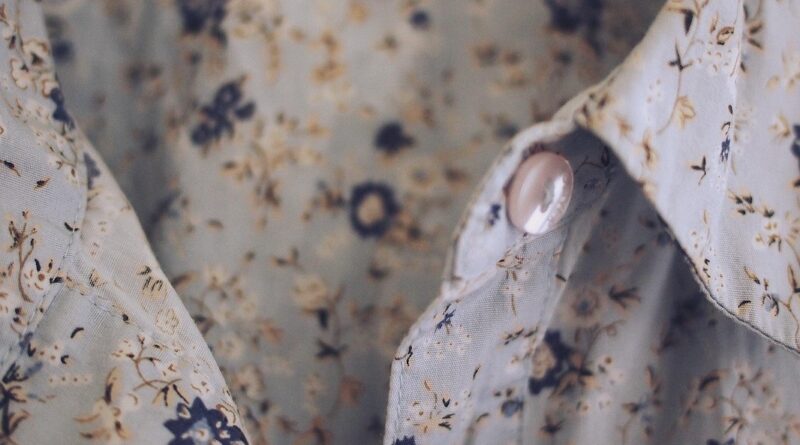
How to style a button up shirt for everyday outfits
A button up shirt is easy to restyle because it can work as a main top, a light layer, a tailoring piece or a casual cover-up. The best way to style one is to decide what the outfit needs first: a tucked and pressed shirt for polish, an open shirt over a tank for ease, an oversized shirt with structured bottoms for contrast, or a tied shirt when you want more shape at the waist.
Fit, fabric and proportion usually matter more than owning many versions. A white cotton shirt, a striped poplin shirt, an oxford shirt and a softer linen or silk-blend shirt can cover most everyday outfits when each one is matched to the right setting. You can also explore more in Style Guides.

Start with the shirt type before choosing the outfit
Not every button up shirt creates the same effect. Crisp poplin looks cleaner and sharper. Oxford cloth feels more relaxed and collegiate. Linen reads warm-weather and easygoing. Satin, silk or silky viscose gives the shirt a softer evening feel. Denim, chambray and flannel move the look toward casual workwear.
It also helps to separate two terms that are often used interchangeably. A button up shirt is any shirt that fastens up the front with buttons. A button-down shirt technically has collar points that button to the shirt body. Heritage menswear sources, including Brooks Brothers’ own archive materials, trace the button-down collar to late nineteenth-century polo shirts, where secured collar points helped keep the collar from moving during play. That history is one reason an oxford cloth button-down still feels sportier and more casual than a smooth dress shirt.
For styling, the difference matters. A button-down collar usually works best in relaxed or smart-casual outfits, while a plain spread collar can look more formal. If you are building a small wardrobe, start with one white or pale blue cotton shirt. Add stripes, denim, linen or a darker evening option after you know which outfits you actually repeat.
Use fit and proportion to make the shirt look intentional
A button up shirt can look awkward when the fit fights the rest of the outfit. Oversized shirts need balance, slim shirts need enough room to move, and cropped shirts need the right waist rise. Before adding accessories, check three areas: shoulder line, body volume and hem length.
- Classic fit: Works tucked into jeans, trousers or skirts. The shoulder seam sits close to the natural shoulder, and the body has enough room to button without pulling.
- Oversized fit: Best with narrower or more structured bottoms, such as straight jeans, tailored trousers, pencil skirts or leather-look pants.
- Slim fit: Useful under blazers, sweaters and vests because it reduces bulk. Avoid wearing it fully buttoned if the placket pulls across the chest.
- Cropped fit: Pairs well with high-rise denim, wide-leg trousers and skirts because it creates shape without needing a tuck.
The easiest proportion rule is contrast. If the shirt is loose, give the outfit structure somewhere else: a belt, a straight-leg jean, a defined-shoulder jacket or a tailored trouser. If the shirt is fitted, you can add volume below with wide-leg pants, a full skirt or relaxed denim.
Reliable outfit formulas for casual days
Casual styling works best when the button up shirt looks relaxed rather than overly pressed. Roll the sleeves, leave one or two buttons open, or let the hem fall naturally. The aim is to look considered without making the shirt feel like office wear.
White shirt with straight jeans
A white cotton button up with straight-leg jeans is simple, but small choices change the mood. Tuck the front of the shirt and add loafers for a clean everyday look. Leave it untucked with sneakers for a more relaxed weekend outfit. Add a leather belt if the shirt is oversized; the belt gives the outfit a center point and stops the volume from overwhelming the frame.
Open shirt over a tank or T-shirt
Wearing the shirt open as a light layer is one of the most practical ways to style it. A ribbed tank, fitted tee or slim long-sleeve base layer keeps the outfit neat underneath. This works especially well with linen, chambray, striped cotton and oversized white shirts. Pair the combination with denim shorts, relaxed trousers, cargo pants or a slip skirt depending on the season.
Half tuck with relaxed trousers
A half tuck is useful when a full tuck feels too polished. Tuck only the front section of the shirt and let the back fall naturally. This defines the waist while keeping movement in the outfit. It works with pleated trousers, barrel-leg jeans, wide-leg denim and soft drawstring pants.
For more practical wardrobe ideas, explore the Style Guides section for additional outfit direction.
How to style a button up shirt for work and smart casual outfits
For work or smart casual settings, the shirt should look deliberate rather than decorative. Choose cleaner fabrics such as poplin, pinpoint oxford, broadcloth or a smooth cotton blend. Press the collar and cuffs, check that the placket sits flat, and avoid shirts that pull at the buttons.
| Setting | Shirt choice | Best pairing | Styling note |
|---|---|---|---|
| Casual office | Blue oxford or striped cotton | Straight trousers and loafers | Leave the top button open for ease |
| Business casual | White poplin or pale blue shirt | Blazer, tailored pants and flats | Use a full tuck for a sharper line |
| Creative workplace | Oversized shirt or satin shirt | Wide-leg pants or midi skirt | Balance volume with a defined waist |
| Dinner after work | Silky black, ivory or striped shirt | Dark denim, pointed shoes and jewelry | Unbutton slightly at the neckline |
A button up shirt under a blazer is a reliable office formula, but it can look stiff if every piece is too formal. To soften it, mix in one relaxed element. Try an oxford shirt with soft tailoring, a striped shirt with wide-leg trousers, or a white shirt with dark straight jeans and a structured jacket if denim is appropriate for the setting.
If you prefer skirts, a button up shirt works with pencil skirts, A-line midi skirts and slip skirts. The cleaner the skirt, the more room you have to adjust the shirt styling. A crisp shirt with a satin slip skirt creates contrast, while a soft draped shirt with a structured skirt looks balanced.
Layering ideas that change the whole outfit
Layering is where a button up shirt becomes especially versatile. It can sit under knitwear, over base layers, or between outerwear and a simple tee. Each placement changes the outfit’s shape and level of formality.
Under a sweater or vest
A slim or classic-fit shirt works best under sweaters because excess fabric can bunch at the sleeves and waist. Let the collar and cuffs show slightly, but avoid forcing the shirt to compete with the knit. A white shirt under a gray crewneck, a blue shirt under navy knitwear, or a striped shirt under a neutral vest are easy combinations. See also: Fashion Trends.
Under a blazer or coat
When the shirt sits under tailoring, collar shape becomes important. A spread or point collar looks sharper; a button-down collar feels more relaxed. If the outfit includes a blazer, keep the shirt tucked unless the blazer is intentionally oversized and casual. With long coats, an untucked shirt can work if the hem is neat and the bottom layer is slim.
Over dresses and fitted tops
A button up shirt can replace a light jacket. Wear it open over a tank dress, slip dress or fitted knit dress to make the outfit feel less exposed and more daytime-friendly. A linen shirt over a summer dress looks relaxed, while a crisp white shirt over a black column dress adds structure.
Seasonal styling without buying a new wardrobe
The same shirt can work through the year if you adjust fabric weight, layers and footwear. Instead of treating the button up as a single-season item, use it as a styling tool.
- Spring: Wear a striped or white shirt open over a tank with straight jeans, ballet flats or sneakers. Add a trench or light jacket when needed.
- Summer: Choose linen, cotton voile or lightweight poplin. Roll the sleeves, leave the hem loose, or tie the shirt at the waist with shorts, skirts or wide-leg linen pants.
- Fall: Layer an oxford, denim or flannel shirt under a knit vest, chore jacket or blazer. Pair it with loafers, ankle boots or dark sneakers.
- Winter: Use a slimmer shirt under sweaters, wool blazers and coats. Let the collar show for polish, and choose thicker cotton or brushed fabrics for warmth.
Recent styling coverage from publications such as Vogue, Harper’s Bazaar and Esquire continues to present the button up shirt as a repeat wardrobe basic rather than a one-trend piece. The common idea across these guides is not that one formula fits everyone, but that the shirt adapts well to different silhouettes, from suiting to denim to skirts.
Details that make a button up shirt look better
Small details often decide whether a button up shirt looks styled or simply thrown on. A few adjustments can make an ordinary outfit feel more polished.
- Roll sleeves cleanly: Fold the cuff once, then roll again to just below the elbow. This creates shape and keeps the shirt from looking sloppy.
- Use the neckline: One open button feels neat; two or three can look relaxed or evening-ready depending on the fabric and jewelry.
- Add jewelry with plain shirts: A chain necklace, small hoops or a watch can keep a white shirt from feeling too minimal.
- Choose the right bra or base layer: If the shirt is sheer or gaps slightly, a smooth camisole, tank or fitted tee makes the outfit more comfortable.
- Mind the hem: Use a full tuck for structure, a half tuck for ease, an untucked hem for casual outfits, and a waist tie when you want shape.
Color also changes the message. White is crisp and versatile, blue is classic and softer, black feels sharper for evening, stripes add movement, and denim or chambray makes the outfit casual. If you are unsure, pair stronger shirts with quieter bottoms and quieter shirts with more expressive accessories.
Common mistakes to avoid
The most common mistake is choosing a shirt only because it is classic. A classic piece still needs to fit your body, lifestyle and wardrobe. If the shirt pulls at the buttons, bunches under every jacket or feels too stiff for the way you dress, it will not become useful simply because it is timeless.
Another mistake is over-styling. A button up shirt already has structure from the collar, cuffs and placket. Too many competing details can make it feel busy. If the shirt has bold stripes, oversized cuffs or a dramatic shape, keep the rest of the outfit simpler. If the shirt is plain, use texture, accessories or footwear to add interest.
Finally, avoid treating formal and casual shirts as interchangeable. A shiny dress shirt may look out of place with distressed denim, while a thick flannel may not sit cleanly under a slim blazer. Matching the fabric to the setting is the fastest way to make the outfit feel coherent.
Frequently asked questions
What is the easiest way to style a button up shirt?
The easiest formula is a white or blue button up shirt with straight-leg jeans, a belt and simple shoes. Tuck the front for shape, roll the sleeves and leave the top button open. This works because it balances structure with ease.
Can you wear a button up shirt untucked?
Yes, especially with casual shirts, oversized fits and relaxed fabrics. An untucked shirt looks best when the hem length is intentional. If it falls too long, pair it with slim bottoms or wear it open as a layer.
How do you make an oversized button up shirt look flattering?
Create contrast. Wear it with straight or slim bottoms, add a belt, roll the sleeves or show the waist with a half tuck. Oversized shirts look strongest when the rest of the outfit gives them structure.
What pants go best with a button up shirt?
Straight jeans, tailored trousers, wide-leg pants and relaxed chinos all work. The best choice depends on the shirt. Crisp shirts pair well with denim or tailoring, while linen and oxford shirts suit softer casual pants.
Is a button up shirt still in style?
Yes. Its appeal is not tied to a single trend because it works across classic, minimal, preppy, office, casual and layered outfits. The more useful question is which fit, fabric and styling method suit your wardrobe.