K-pop fashion trends shaping everyday style in 2026
What K-pop fashion looks like in 2026
As of September 2026, K-pop fashion is no longer mainly a stage-costume story. For readers searching for kpop fashion trends, the clearest shift is from loud, one-to-one imitation toward flexible styling systems: relaxed airport outfits, gender-fluid tailoring, sport-luxury layers, school-inspired details, denim, plaid, caps and sharper accessories. Seoul Fashion Week’s September 2026 season also showed that Korean fashion is not being defined by one dominant look. Recent coverage pointed instead to fabric experimentation, volume, laid-back tailoring and vibrant sportswear. The practical takeaway is straightforward: K-pop style works best when it is edited, personal and wearable, rather than copied head to toe.
Why K-pop has become a fashion trend engine
K-pop has always depended on image, but its fashion impact now moves at a different speed. A music video, airport arrival, tour costume, magazine cover or fashion week appearance can become a global style reference within hours. The driver is not celebrity visibility alone. It is the mix of fandom, short-form video, product identification accounts, styling breakdowns and social commerce.
Industry sources have tracked this shift for several years. Lefty and Karla Otto have reported that South Korean stars can generate outsized earned media value at fashion weeks, while Vogue Business has repeatedly linked luxury front-row performance to K-pop and Asian celebrity influence. A January 2026 report from the Korea Creative Content Agency also described the growth of fashion collaborations built around K-pop, webtoons, games and other Korean content IP. That matters because it places K-pop fashion beyond a fan niche. It is now one of the ways brands introduce silhouettes, accessories and labels to international audiences.
For more style coverage across seasons, visit the Fashion Trends section.
The key K-pop fashion trends to watch
Elevated airport casual
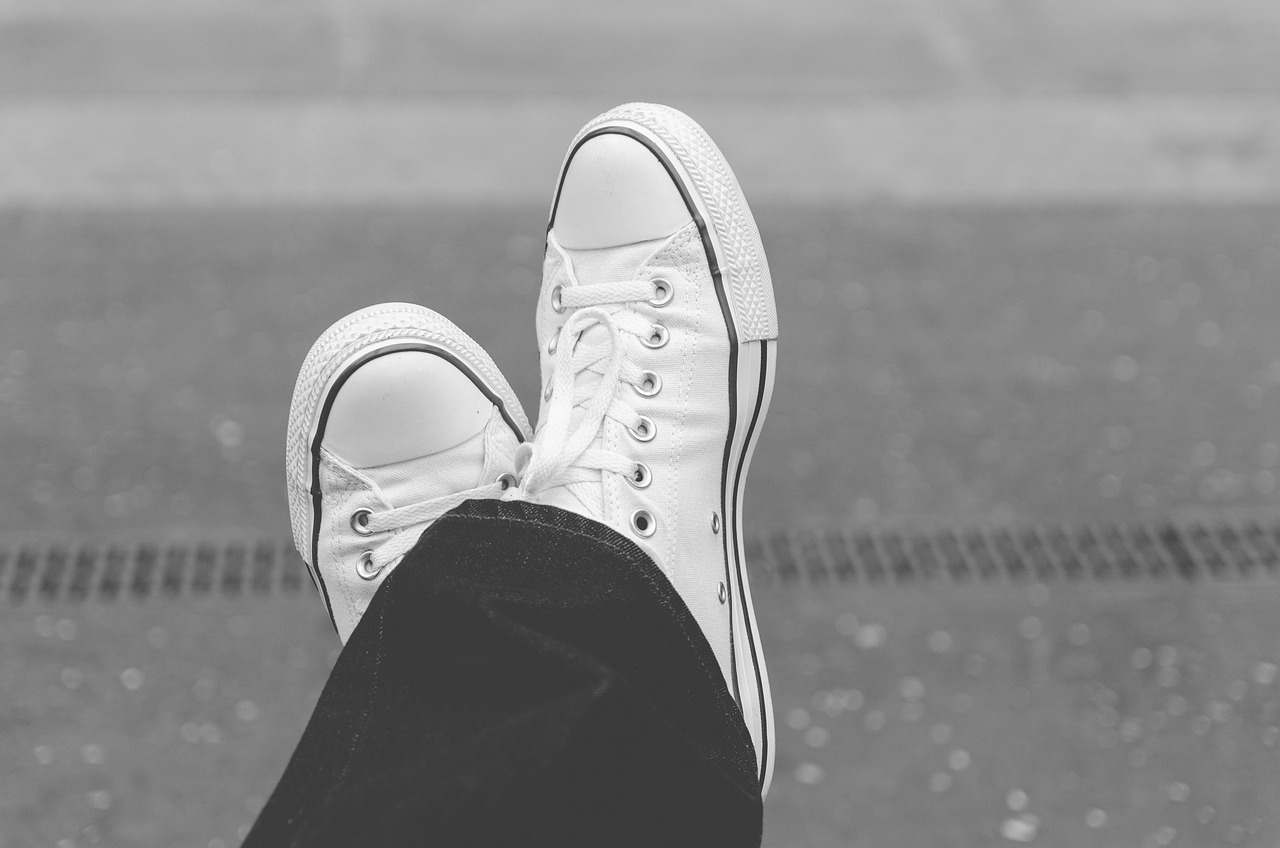
Airport fashion remains one of the most influential K-pop style formats because it sits between celebrity image and real-life dressing. The current version is more polished than the older hoodie-and-mask formula, but comfort still matters. Common pieces include wide-leg trousers, washed denim, neat sneakers, oversized coats, ball caps, leather totes, slim sunglasses and tonal knitwear. Each item is practical on its own, while the complete outfit still feels considered enough to be photographed.
The styling rule is balance. If the trousers are loose, the top is often cropped, tucked in or layered under a structured jacket. If the palette is neutral, one accessory usually carries the identity: a colored beanie, sculptural sunglasses, a charm-heavy bag or a standout shoe. That is why airport style has become so useful for everyday wardrobes. It gives shoppers a celebrity reference without requiring stage-level drama.
Soft tailoring and gender-fluid proportions
One of the strongest K-pop fashion shifts is the normalization of fluid tailoring. Boxy blazers, relaxed suiting, longline coats, pleated trousers, oversized shirts and skirt-over-pants styling all appear across idol wardrobes. The effect is not simply masculine or feminine. It is mainly about proportion. K-pop styling often uses a structured shoulder, narrow waist detail or sharp shoe to stop oversized pieces from looking careless.
This connects with the broader runway move toward softer tailoring and looser silhouettes. In K-pop, the look is usually made more youthful with headphones, caps, slim ties, chain belts, charms or platform footwear. The result is a style language that can work for fashion week imagery while still reading as streetwear.
Sport-luxury layers
Sport-luxury is especially visible because K-pop wardrobes need movement. Track jackets, technical vests, football-style tops, windbreakers, cargo pants, zip knits and performance sneakers are being styled with luxury bags, tailored coats and polished hair or makeup. The contrast is the point: a sporty base keeps the outfit energetic, while a refined outer layer or accessory makes it more fashion-facing.
Seoul Fashion Week’s September 2026 coverage noted laid-back tailoring and vibrant sportswear in recent presentations, which fits the broader K-pop mood. This trend is also practical because it does not require a full designer wardrobe. A nylon jacket over a crisp shirt, a track top with tailored trousers, or sneakers with a long wool coat can capture the idea without overloading the outfit.
Ballet, school and feminine details with sharper styling
Balletcore, school-uniform references and soft feminine details remain part of K-pop fashion, but the newer styling is less delicate and more mixed. Pleated skirts, ribbon ties, Mary Janes, cardigans, leg warmers, lace trims and pale colors are often paired with leather jackets, oversized blazers, chunky boots or sporty bags. The added contrast keeps the look from becoming costume-like.
The important detail is tension. A ribbon blouse usually feels fresher with denim or a boxy jacket than with every other sweet element at once. A pleated skirt looks more current with loafers and socks, a bomber jacket or a fitted jersey top. K-pop styling is effective because it can make cute details feel directional by adding something tough, sporty or oversized.
Denim, plaid, caps and boots
Seoul street style around fashion week has continued to highlight denim, plaids, hats and boots. These items are not new, but K-pop styling makes them feel specific through proportion and layering. Wide denim with cropped jackets, plaid shirts tied at the waist, school-style checks with heavy boots, and baseball caps worn with tailored coats all fit the idol-inspired wardrobe.
This is a low-barrier entry point for shoppers. A pair of loose jeans, a checked shirt, a cap and a strong boot can already suggest the look. The upgrade comes from fit and placement: denim should look intentional, plaid should feel styled rather than random, and hats should support the outfit’s color story.
Korean independent labels and graphic identity
Luxury houses still benefit from K-pop ambassadors, but the more interesting 2026 story is the rising confidence around Korean labels and local design identity. Vogue’s September 2026 reporting on Seoul Fashion Week noted that South Korean fashion does not yet have one single global blockbuster equivalent to the biggest K-pop groups, while also highlighting experimentation in fabrics and volume. That distinction is important. K-fashion’s influence may be less about one logo and more about a design mood: sharp layering, compact proportions, playful accessories and fast-moving styling codes. See also: Outfit Ideas.
For consumers, this means K-pop fashion does not have to start with luxury. Korean contemporary brands, vintage pieces, resale finds and accessible basics can all fit the look when the styling is precise.
How stagewear is influencing real wardrobes
Stage outfits are built for choreography, lighting and recognizability, but their influence usually reaches everyday fashion through smaller details. The most wearable transfers are not full performance looks. They are cropped jackets, metallic accents, coordinated group color stories, layered belts, statement gloves, decorative ties, platform shoes and high-contrast accessories.
The stage-to-street formula works best when one theatrical element is grounded by basics. A metallic skirt can be worn with a gray knit. A cropped performance-style jacket can work with wide black trousers. A dramatic belt can sharpen a simple dress. K-pop fashion becomes wearable when the outfit keeps one focal point and lets the rest support it.
| Trend signal | How it appears in K-pop styling | Wearable translation |
|---|---|---|
| Airport casual | Comfort pieces styled for cameras | Wide trousers, clean sneakers, cap and structured bag |
| Soft tailoring | Oversized blazers, loose trousers, fluid shirts | One tailored piece with relaxed basics |
| Sport-luxury | Track jackets and technical layers with polished accessories | Windbreaker or jersey with tailored pants |
| Stage detail | Shine, belts, gloves, platforms, bold color | One statement accessory with neutral clothes |
| Seoul street style | Denim, plaid, caps, boots and layered silhouettes | Everyday staples with sharper proportions |
How to wear K-pop fashion without looking like a costume
The easiest mistake is copying an idol outfit exactly. A look designed for a comeback stage, brand event or editorial shoot may depend on lighting, styling teams and a specific public image. Everyday K-pop-inspired dressing works better when you borrow the structure, not the entire outfit.
- Choose one reference point. Start with airport casual, stage detail, school styling, tailoring or sport-luxury instead of mixing every trend at once.
- Control the silhouette. If the jacket is oversized, make the waist, hemline or shoe choice intentional.
- Use accessories strategically. Sunglasses, caps, ties, charms and bags often create the K-pop mood faster than a full wardrobe change.
- Mix soft and sharp. Pair ribbons with denim, pleats with boots, track jackets with tailored trousers, or blazers with sneakers.
- Keep color disciplined. Many idol looks work because the palette is focused, even when the pieces are bold.
A practical outfit formula is a fitted tee, wide-leg denim, cropped jacket, slim sunglasses and boots. Another is a boxy blazer, pleated skirt, white socks and loafers. For sport-luxury, try a track jacket under a long coat with clean sneakers. These outfits reference K-pop fashion without depending on exact idol replication.
What brands and retailers should notice
For fashion brands, the K-pop effect is not only about hiring a famous face. The stronger opportunity is to build a style ecosystem that fans can participate in. KOCCA’s 2026 report emphasized fandom-commerce models, social platforms and IP-based fashion as growth areas for Korean fashion businesses. That suggests an effective K-pop fashion strategy is not a one-off campaign. It is a loop of content, styling, product availability and fan interpretation.
Retailers should also notice that K-pop fashion is highly modular. Fans may not buy a full runway look, but they may adopt a bag shape, shoe style, ribbon, cap, jacket length or color combination. This makes accessories, outerwear, denim and footwear especially important categories. It also keeps mid-priced and independent labels relevant, because many shoppers want the mood of K-pop style without luxury pricing.
The limitation is speed. A look can spike after one performance and fade after the next comeback. The more durable ideas for 2026 are not micro-trends, but broader styling behaviors: polished comfort, fluid tailoring, sporty layering, expressive accessories and the growing cultural confidence of Korean fashion.
Frequently asked questions
What are the biggest K-pop fashion trends in 2026?
The biggest trends are elevated airport casual, soft tailoring, sport-luxury layers, ballet and school-inspired details, denim, plaid, caps, boots and more attention to Korean independent labels. The common thread is wearable styling with one strong visual detail.
Is K-pop fashion only about luxury brands?
No. Luxury ambassadors remain visible, but K-pop fashion also depends on streetwear, Korean contemporary labels, vintage styling, accessible basics and fan-driven outfit interpretation. The styling often matters more than the price point.
How can I dress in a K-pop-inspired way every day?
Start with one idea: wide trousers and a cropped jacket, a blazer with sneakers, a pleated skirt with boots, or a track jacket with tailored pants. Add one accessory such as sunglasses, a cap, a tie or a structured bag, then keep the rest of the outfit simple.
Why does airport fashion matter so much in K-pop?
Airport looks are photographed, shared and analyzed, but they are closer to real life than stage outfits. That makes them easier for fans and fashion followers to adapt into everyday wardrobes.