

How to style puffer vest outfits for work, weekends and cold weather
Start with the role of the vest
When styling puffer vest outfits, treat the vest as both insulation and structure. It should add warmth and shape without overpowering the rest of the look. Because a puffer vest has volume through the torso but no sleeves, it usually works best over streamlined base layers, with bottoms and shoes that match the outfit’s level of polish. A thin quilted vest can look sharp over knitwear or a button-down shirt. A chunkier insulated vest feels more natural with denim, sweats, cargos and cold-weather boots.
The strongest outfits usually rely on contrast: soft with structured, bulky with slim, sporty with tailored, or neutral with one deliberate accent color. A puffer vest can replace a light jacket in mild weather, add insulation under a coat in colder weather, or make an indoor outfit look more dimensional when a full coat would be too much. For more wardrobe ideas, browse the Style Guides section.
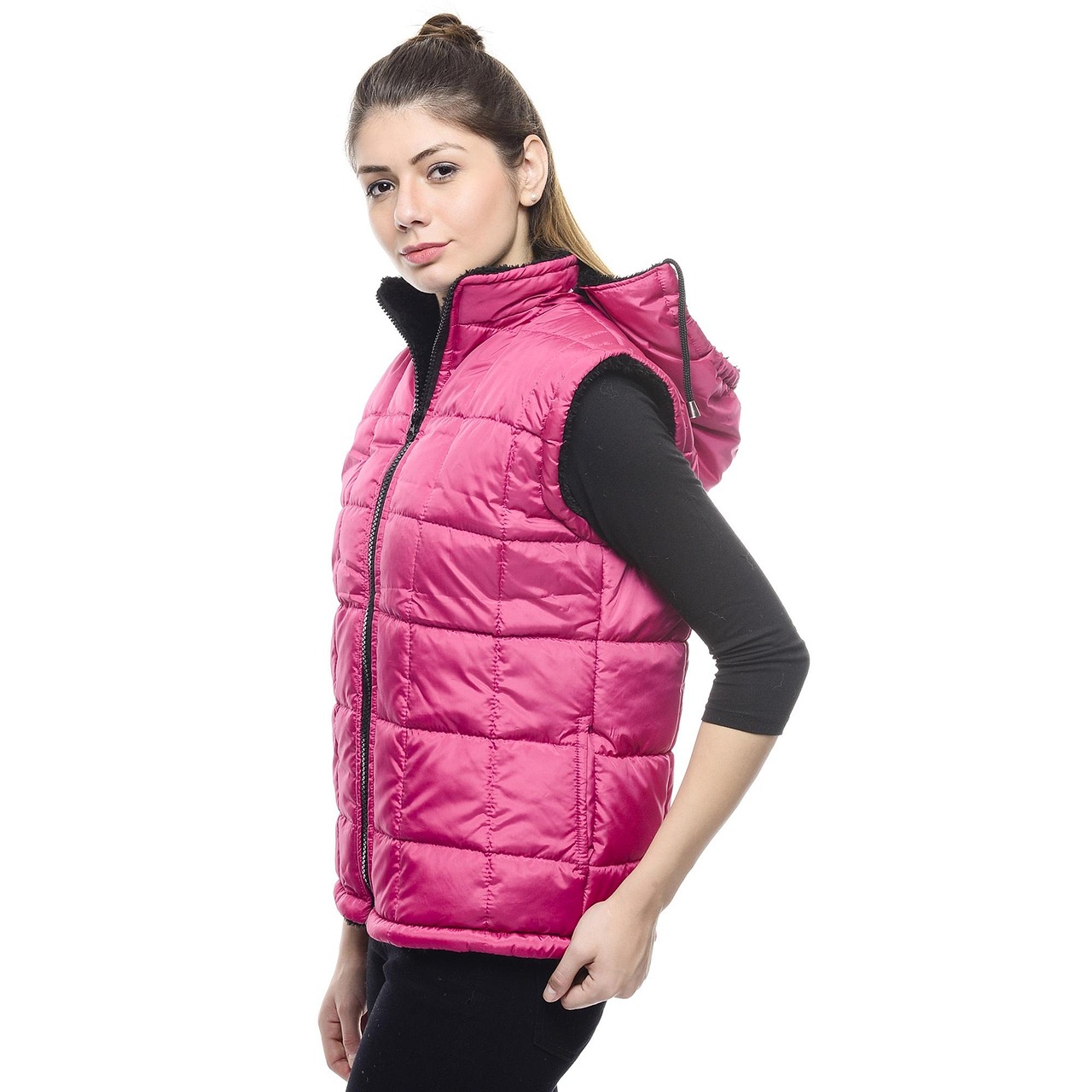
Choose the right puffer vest for the outfit
The same styling formula can look polished or unfinished depending on the vest itself. Before choosing the rest of the outfit, check four details: length, loft, shoulder width and finish.
- Length: A vest that ends around the hip is the most versatile. Cropped versions work well with high-rise trousers or wide-leg jeans, while longer vests lean more casual and functional.
- Loft: Low-profile quilting is easier to dress up. A thick, pillow-like vest reads more outdoorsy and should be balanced with simple base layers.
- Shoulder width: The shoulder seam should not extend far beyond your natural shoulder line unless the vest is intentionally oversized.
- Finish: Matte nylon, recycled shell fabrics, wool blends and suede-like textures look quieter than shiny technical finishes. Glossy shells can still work, but they make the outfit feel sportier.
Color matters as much as fit. Black, navy, olive, charcoal, cream and chocolate brown are the easiest shades to repeat across multiple outfits. If your wardrobe already has plenty of neutrals, a burgundy, forest green or muted blue vest can work as the accent piece. Bright colors are easiest to wear when the rest of the outfit stays simple.
Use proportion to avoid a bulky look
The main styling challenge with a puffer vest is torso volume. The simplest fix is to keep at least one other part of the outfit clean and defined. If the vest is oversized, choose a slimmer base layer, straight jeans, tapered trousers or leggings. If the vest is slim and lightly quilted, you have more room for wider pants, relaxed denim or a thicker sweater underneath.
Consider the full silhouette from top to bottom. A boxy vest over a boxy hoodie and loose pants can look intentional when the colors are controlled and the shoes have enough weight. The same vest over a wrinkled sweatshirt, sagging joggers and thin sneakers may look unfinished. A fitted vest over a fine-gauge turtleneck and wool trousers creates a cleaner line because the vest reads as structure rather than bulk.
For most outfits, one of these proportion formulas will work:
- Voluminous vest plus slim base: Puffer vest, fitted knit, straight jeans and boots.
- Low-profile vest plus relaxed bottom: Quilted vest, button-down shirt, wide-leg trousers and loafers.
- Sporty vest plus tailored anchor: Technical vest, crewneck sweater, pressed chinos and leather sneakers.
- Long vest plus vertical lines: Long puffer vest, monochrome layers and narrow or straight-leg pants.
Outfit formulas by occasion
A puffer vest is easier to style when its fabric, fit and shape match the setting. Use the table below as a practical starting point, then adjust the colors and layers for your wardrobe.
| Occasion | Best vest style | Base layer | Bottoms and shoes | Why it works |
|---|---|---|---|---|
| Casual weekend | Medium-loft nylon vest | Hoodie, sweatshirt or thermal tee | Straight jeans, cargos or joggers with sneakers or boots | The outfit feels relaxed, while the vest adds structure and seasonal texture. |
| Smart casual | Low-profile quilted vest | Oxford shirt, fine knit or turtleneck | Chinos, dark denim or wool trousers with loafers or leather sneakers | A thinner vest works like a casual blazer alternative without looking too formal. |
| Office casual | Matte, slim vest in a neutral color | Button-down shirt or merino sweater | Tailored trousers with loafers, derbies or clean minimal sneakers | Neutral color and low bulk keep the look neat enough for relaxed workplaces. |
| Travel day | Lightweight packable vest | Long-sleeve tee, hoodie or knit top | Stretch trousers, relaxed denim or leggings with comfortable sneakers | The vest adds warmth without restricting movement and is easy to remove. |
| Cold-weather layering | Insulated vest with room underneath | Base layer plus fleece, sweater or flannel | Jeans or technical pants with weather-appropriate boots | The vest warms the core while leaving the arms free for movement. |
How to style a puffer vest with wardrobe staples
With jeans
Jeans are the easiest starting point because they can make a puffer vest feel either casual or more polished. For a clean everyday outfit, wear a black or navy vest over a grey crewneck sweater with straight-leg jeans and leather sneakers. For a more rugged version, pair an olive vest with a flannel shirt, dark denim and lace-up boots. If the vest is cropped, high-rise straight jeans or wide-leg jeans help keep the proportions intentional.
With trousers
To make a puffer vest look more refined, choose trousers with a visible crease, a clean waistband or a wool-blend texture. A low-profile vest over a turtleneck and pleated trousers can feel modern without becoming too formal. Keep the palette tight: charcoal with black, cream with camel, navy with grey, or olive with brown. Shoes should be equally considered; loafers, derbies and sleek leather sneakers work better than heavily branded athletic shoes for this formula.
With skirts or dresses
A puffer vest can make dresses and skirts feel more practical for transitional weather. A slim vest over a ribbed knit dress creates a long vertical line, especially with knee-high boots or ankle boots in a similar color. With skirts, balance is the key. A midi skirt pairs well with a cropped or hip-length vest, while a mini skirt usually needs heavier footwear, tights or a substantial knit so the top half does not look too dominant.
With hoodies and sweatshirts
The hoodie-and-vest combination is popular because it is comfortable and easy, but it can look bulky if both pieces are oversized. Let one piece take the lead. If the hoodie is thick, choose a vest with moderate loft. If the vest is oversized, wear a cleaner sweatshirt or a hoodie with a smaller hood. Keep the lower half simple with straight joggers, denim or cargos, then finish with sneakers that have enough visual weight.
Color combinations that make puffer vests easier to wear
Color often separates an intentional outfit from a random extra layer. When in doubt, use a three-color limit: one main color, one supporting neutral and one accent. This keeps the puffer vest from competing with the rest of the outfit. See also: Fashion Trends.
- Black vest: Works with grey, white, denim blue, camel, olive and burgundy. It is the easiest option for city outfits.
- Navy vest: Pairs well with cream, grey, tan, faded denim and brown leather. It feels softer than black but still polished.
- Olive vest: Looks strong with ecru, black, denim, beige and chocolate brown. It has a utilitarian feel that works with boots and cargos.
- Cream vest: Best with tonal neutrals such as beige, camel, oatmeal, pale grey and light denim. Choose washable base layers if you wear it often.
- Brown vest: Works with blue denim, ivory, forest green, charcoal and tan. It is especially useful for fall outfits.
- Bright vest: Keep the rest of the outfit neutral. A red, cobalt or yellow vest looks most deliberate over black, grey, navy or off-white.
Monochrome is another dependable option. A black vest over black knitwear and black trousers can look sleek, while cream-on-cream feels softer and more seasonal. Texture is important here: combine nylon quilting with wool, denim, cotton, fleece or leather so the outfit does not look flat.
Layering tips for warmth and comfort
A puffer vest warms the core but leaves the arms exposed. That makes it useful for mild cold, active days, commuting and indoor-outdoor dressing, but less suitable as the only outer layer in harsh wind or rain. If warmth is the priority, build the outfit in layers rather than relying on one thick vest.
Start with a breathable base layer, then add a sweater, fleece, flannel shirt or hoodie depending on the setting. The vest can sit over these pieces as the visible outer layer. In colder or wetter conditions, it can also sit under a roomy coat or shell. This is practical when you want insulation without the arm bulk that comes from stacking several jackets.
Pay attention to sleeve fabric. Smooth knit sleeves slide more easily under a vest than bulky textured sleeves. A heavy cable-knit sweater can look good, but it may bunch under a narrow armhole. If the vest pulls across the chest or rises when zipped, size up or choose a thinner underlayer. The vest should close comfortably even if you plan to wear it open most of the time.
Common puffer vest styling mistakes
- Ignoring the armholes: Tight armholes make layers bunch and restrict movement. Loose armholes can expose too much of the underlayer and look sloppy.
- Wearing too many bulky pieces at once: A thick vest, oversized hoodie, wide pants and chunky scarf can work, but only when the colors and proportions are carefully controlled.
- Choosing the wrong shoe weight: A large vest often needs boots, trail sneakers, platform soles or structured shoes. Very thin shoes can make the upper body look too heavy.
- Mixing too many outdoor details: A technical vest, hiking pants, trail shoes, performance cap and backpack can look like gear rather than a styled outfit. Add one cleaner piece to make the look more versatile.
- Forgetting the neckline: Crewnecks, turtlenecks, collars and hoodies all change the mood of the vest. If the neckline looks crowded, simplify the layer underneath.
Care is also part of good styling. Puffer vests can lose their shape if they are washed, dried or stored incorrectly. Always follow the garment’s care label, especially for down-filled, synthetic-filled or water-resistant styles. Store the vest with enough space so the fill is not compressed for long periods.
Frequently asked questions
Can a puffer vest look dressy?
Yes, but choose a slim, low-profile vest in a neutral color. Wear it with a fine knit, button-down shirt, tailored trousers and clean leather shoes. Avoid very shiny shells, oversized quilting and heavy outdoor details if the goal is a polished look.
Should a puffer vest be tight or loose?
It should fit close enough to hold shape but loose enough to zip over your intended layers. If you mainly wear it over shirts and thin sweaters, a slimmer fit works. If you wear hoodies, fleece or chunky knitwear underneath, allow more room through the chest and armholes.
What jacket can go over a puffer vest?
A roomy wool coat, parka, rain shell or relaxed overcoat can go over a low- to medium-loft vest. The outer jacket needs enough space through the chest and shoulders so the vest does not flatten awkwardly or restrict movement.
Are puffer vests only casual?
No. Sporty vests are casual, but quilted, matte and tailored-looking versions can work in smart casual outfits. The pieces around the vest matter: trousers, refined knits and understated shoes make it feel more elevated.
What is the easiest puffer vest color to style?
Black is the easiest for urban outfits, navy is the most versatile softer neutral, and olive works well for casual wardrobes with denim, beige and brown. If you want one vest for many settings, choose a matte black, navy or charcoal style with moderate quilting.