Seasonal trends fashion in 2026 and what to wear next
What seasonal trends fashion means in 2026
Seasonal trends fashion in 2026 is not being shaped by one dominant look. The main direction is a balance between expressive styling and practical value: clothes need enough personality to feel current, but they also need to work across changing weather, different occasions and tighter budgets. Public fashion coverage from Vogue in June 2026 highlighted relaxed pants, lace details, sporty layers, utility dressing and bolder color. McKinsey and The Business of Fashion, in their 2026 industry outlook, also pointed to value-seeking shoppers, resale growth and pressure on brands to manage inventory more carefully. Together, these signals point to a season where trends matter most when they can be worn more than once, styled in more than one way and carried from spring into fall.
As of October 8, 2026, the newest fashion-week signals are already looking toward spring/summer 2027, but they reinforce the same idea: decorative impact is returning, while shoppers still want clothes that feel useful, recognizable and worth keeping.
Why the 2026 trend cycle feels different
The 2026 fashion conversation sits between two forces. On one side, runway and street-style styling has become more emotional after several years of minimalism and quiet luxury. Color blocking, lace trims, sculptural shoulders, high collars, metallic shine and visible texture are all part of that swing toward clothes with more presence. On the other side, consumers remain cautious. McKinsey reported in February 2026 that resale, value behavior, tariffs and luxury recalibration were major industry themes for the year, with resale expected to grow faster than the firsthand market in 2027.
That mix changes how trends move from runway to wardrobe. Visual novelty is not enough. A trend now needs a clear reason to survive the checkout moment. A lace skirt that works with a white tank in summer and a wool blazer in fall has more value than a one-event piece. A utility jacket with real pockets and seasonless fabric can feel trend-aware without becoming disposable. A bold accessory can refresh existing outfits without forcing a full wardrobe reset.
The most useful way to read the 2026 cycle is not as a list of compulsory purchases. It works better as a filter: choose trends that add texture, function, color or proportion to pieces you already wear.
The five wearable directions leading the season
Relaxed polish replaces strict minimalism
Relaxed trousers, pajama-style pants, easy shirting and soft tailoring are among the most practical 2026 updates. The look is polished without feeling stiff. Wide-leg trousers, pull-on waists, fluid fabrics and slightly oversized shirts offer comfort while still keeping shape. This is why the trend works across seasons: linen and cotton for warm months, wool blends and brushed twill for colder months.
The styling rule is balance. If the trouser is loose, keep the top cleaner. If the shirt is oversized, add a defined shoe, belt or structured bag. The goal is ease with intention, not loungewear without structure.
Utility details become more elevated
Utility dressing is one of the strongest bridges between runway interest and everyday use. Field jackets, cargo pockets, khaki bermudas, technical outerwear, zip fronts and practical vests appeared across trend reporting in 2026. Pinterest Predicts 2026 also showed rising search interest around utility shirts, field jacket outfits and brown linen shirts, based on English-language global search data from September 2023 through August 2025.
The strongest version avoids costume territory. Choose one utility piece at a time: a pocketed jacket over a dress, cargo trousers with a fine knit, or a structured vest over a simple tee. Neutral shades such as khaki, stone, tobacco, olive and dark navy make the trend easier to repeat.
Lace and texture add softness
Lace is no longer limited to romantic eveningwear. In 2026, it appears as trims, bandanas, collars, skirts, light layering tops and small accessories. Pinterest reported growing searches for lace-related styling, while Vogue’s spring/summer 2026 coverage also included lace trims among the season’s visible details.
For everyday dressing, texture is often more useful than transparency. A lace-trim camisole under a blazer, a lace skirt with a plain tee, or a crochet bag with denim can make a familiar outfit feel seasonal without making it fragile. The most modern combinations pair delicate surfaces with grounded pieces such as denim, tailoring, leather, trench coats or flat sandals.
Color returns through contrast
Color blocking has become one of the clearest signs that fashion is moving beyond safe neutrals. The 2026 version does not require neon from head to toe. It often works through one sharp contrast: ice blue with chocolate brown, butter yellow with grey, red with lilac, or cobalt with white. Pinterest’s 2026 report pointed to a cool blue direction across categories, while Vogue described spring color as more playful and unexpected than traditional good-taste combinations.
If bold color feels risky, start away from the face: a colored flat, belt, bag or skirt. For a stronger look, keep the silhouettes simple and let the palette do the work. Clean shapes make unusual color pairings look deliberate.
Accessories carry more of the trend message
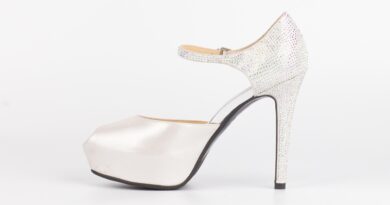
Accessories are doing more work in 2026 because they offer a lower-commitment way to join a seasonal shift. Brooches, chunky cuffs, sculptural belts, scarves, high-collar styling, satchel bags and statement shoes all fit the year’s move toward visible detail. Pinterest noted rising searches around brooches, chunky belts, gold cuffs and 80s luxury, while runway coverage has continued to show a stronger appetite for glamour and styling gestures.
This is especially useful for shoppers who want to avoid overbuying. A vintage pin on a blazer, a silk scarf tied around a bag handle, or a bold belt over a simple dress can make last year’s clothes feel current without replacing them. See also: Fashion Trends.
How to translate the trends by season
The strongest 2026 pieces are not locked to one month. They shift through styling, layering and fabric weight. Use the table below as a practical guide rather than a shopping checklist.
| Season | Key mood | Wearable update | What to avoid |
|---|---|---|---|
| Spring | Light texture and soft color | Lace trims, relaxed shirting, pale blue, floral skirts with simple tanks | Buying delicate pieces that cannot survive regular wear |
| Summer | Ease with personality | Pajama-style pants, flat sandals, scarf details, utility shorts, breathable linen | Over-layering trends in heat or choosing fabrics that crease beyond repair |
| Fall | Structure and contrast | Field jackets, suede or leather-look textures, color-block knits, wide trousers | Turning utility dressing into full costume styling |
| Winter | Glamour with function | High collars, brooches, metallic accents, tailored coats, chunky cuffs | Letting statement pieces overpower fit, warmth or comfort |
What the latest runway signals suggest next
Paris Fashion Week coverage published in early October 2026, focused on spring/summer 2027 collections, suggests that the appetite for impact is not fading. AP reporting from shows held between September 29 and October 1, 2026 described strong glamour, body-revealing styling, couture-like detail applied to everyday clothes, textured decoration, peplums and aquatic references. These are forward-looking runway signals, not instructions for immediate buying, but they help explain where 2026 trends may go next.
The important distinction is timing. A spring/summer 2027 runway idea does not automatically become a mass-market wardrobe in October 2026. It can, however, influence color, silhouette and styling earlier through editorials, celebrity dressing, resale searches and fast-moving accessories. For readers, the practical takeaway is to watch for three details: sculpted waists, decorative texture and metallic or glossy finishes used in small doses.
In other words, the next wave is not abandoning utility and comfort. It is layering glamour on top of them. A simple jacket may gain a sharper waist. A basic knit may appear with a brooch. A denim outfit may be styled with a metallic shoe. These are manageable updates rather than complete reinventions.
How to build a trend-aware wardrobe without overbuying
The most sustainable approach to seasonal style is editing before adding. Start by identifying what already supports the 2026 mood. You may already own a white shirt, relaxed trousers, a trench, a blazer, a field jacket, a lace camisole, a scarf or a bold belt. These items can become trend-relevant through pairing rather than replacement.
- Choose one trend role per outfit. Let color, texture, utility or accessories lead instead of forcing all four together.
- Prioritize fabric and fit. A trend looks more expensive when the cut works and the material holds its shape.
- Use resale for statement pieces. Brooches, belts, scarves and bags are strong resale categories because uniqueness is part of their appeal.
- Buy across seasons. A lace skirt that only works for a summer party has limited value. A lace skirt that works with boots, knits and tailoring has staying power.
- Avoid trend duplicates. One excellent utility jacket is more useful than three slightly different versions.
This is also where the industry context matters. If shoppers are more value-conscious and brands are managing inventory more carefully, trends that can be restyled across several months become more important. Versatility is no longer the opposite of fashion. In 2026, it is one of the reasons a trend feels modern.
Frequently asked questions
What are the biggest seasonal fashion trends in 2026?
The most wearable 2026 directions are relaxed tailoring, elevated utility dressing, lace and texture, bold color contrast, scarf styling, brooches, statement belts and 80s-influenced glamour. The common thread is personality balanced with practicality.
Is quiet luxury still relevant?
Yes, but it is less dominant as a full look. Clean tailoring, quality fabrics and restrained styling still matter, but 2026 adds more color, texture and visible accessories. Think quiet luxury with a stronger point of view.
How can I try trends without replacing my wardrobe?
Start with accessories and styling. Add a brooch to a blazer, a scarf to a simple outfit, a bold belt to a dress, or a color-block knit to neutral trousers. These small changes can update existing clothes quickly.
Which 2026 trends are most likely to last?
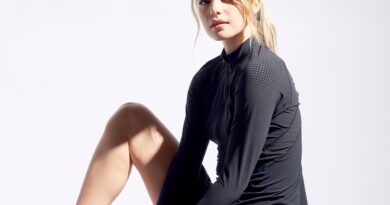
Utility jackets, relaxed trousers, textured layering, scarves, refined sporty pieces and versatile tailoring have the strongest staying power because they solve real wardrobe needs. Highly specific novelty items may fade faster unless they fit your personal style.
What should I avoid when following seasonal trends?
Avoid buying items that only work for one outfit, one event or one online aesthetic. If a trend cannot be styled with at least three things you already own, it may not deserve space in your wardrobe.