Best outfits for men for work, weekends and smart casual style
The short answer: fit, context and one clear idea
The best outfits for men rarely depend on one expensive item or a trend that only works in photos. They usually come from three practical decisions: the clothes fit well, the outfit suits the setting, and there is one clear style idea rather than several competing details. A navy overshirt with straight jeans and leather sneakers can look sharper than a loud designer jacket if the proportions are right. A relaxed blazer, knit polo and tailored trousers can work for dinner, travel and many modern offices without feeling stiff.
This guide focuses on combinations men can repeat in real life. Use it as a shopping checklist, a styling reference and a simple way to understand why certain outfits work across different body types, seasons and dress codes.
The core pieces that make better outfits easier
Before building looks for specific occasions, it helps to have a small set of pieces that combine easily. These are not the only clothes a man can own, but they create a reliable base for casual, smart casual and semi-formal dressing.
- White and light blue shirts: Oxford, poplin or linen-blend shirts work under jackets, overshirts and knitwear.
- Plain T-shirts: White, black, navy and grey tees are most useful when the neckline, fabric and fit look clean.
- Dark straight-leg jeans: A mid-to-dark indigo or black pair looks more polished than distressed denim.
- Tailored trousers or chinos: Choose navy, charcoal, khaki, olive or stone for maximum outfit range.
- Knitwear: A fine-gauge crewneck, cardigan or knit polo adds texture without looking bulky.
- Casual outerwear: An overshirt, bomber, chore jacket or Harrington jacket helps simple outfits look finished.
- Soft tailoring: An unstructured navy, grey or brown blazer can dress up jeans, chinos or trousers.
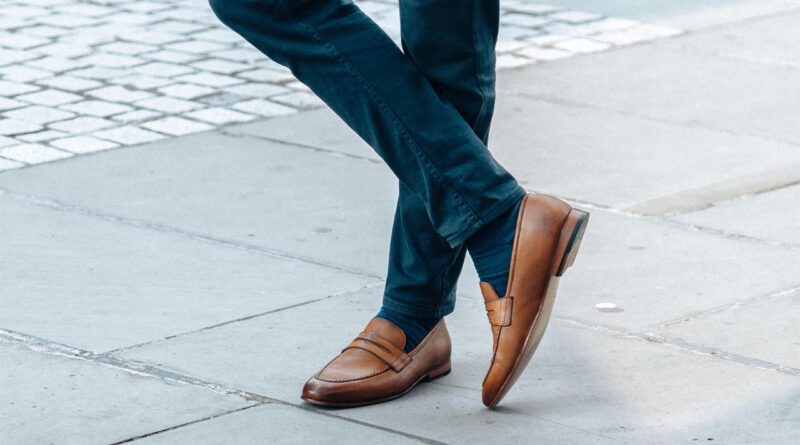
- Versatile shoes: Clean sneakers, loafers, suede chukkas and leather boots cover most everyday settings.
The key is compatibility. When most tops work with most bottoms, getting dressed is faster and the result looks more intentional.
Best outfits for men by occasion
Clean casual outfit
Try a heavyweight white T-shirt, straight dark jeans, a navy overshirt and clean white or off-white sneakers. This is one of the easiest casual outfits because every piece has structure. The T-shirt should not cling, the jeans should fall straight rather than bunch at the ankle, and the overshirt should sit comfortably over the shoulders. Add a simple watch or leather belt if the outfit feels too plain.
Smart casual outfit
For a polished but relaxed look, wear a knit polo with pleated or flat-front trousers and suede loafers. A knit polo looks more refined than a standard T-shirt but less formal than a dress shirt. Keep the colors calm: cream with charcoal, navy with stone, olive with beige, or chocolate brown with light grey. This outfit works especially well for dinners, informal business settings and weekend events where jeans may feel too casual.
Office outfit
If the dress code is not suit-only, pair a light blue Oxford shirt with navy chinos, a grey unstructured blazer and brown loafers. The shirt adds formality, the chinos keep the outfit comfortable, and the blazer gives the look more authority without the weight of a full suit. In a more conservative workplace, replace chinos with wool trousers. In a more relaxed office, remove the blazer and add a fine merino crewneck.
Date-night outfit
A dark base usually works well at night. Wear a black or navy knit polo, charcoal trousers or dark jeans, and Chelsea boots. Add a suede jacket, leather jacket or wool coat depending on the season. The aim is not to look overly dressed up; it is to look considered. Avoid novelty shirts, overly tight jeans and too many accessories. One strong texture, such as suede, leather or ribbed knitwear, is enough.
Weekend outfit
For errands, brunch or travel, combine a crewneck sweatshirt, relaxed chinos, a chore jacket and retro-style sneakers. The sweatshirt keeps the outfit comfortable, while the jacket stops it from looking like gym wear. Neutral colors such as heather grey, navy, olive and tan make the combination easy to repeat. For a sharper version, swap the sweatshirt for a striped long-sleeve tee or a casual button-down shirt.
Warm-weather outfit
A linen-blend shirt, tailored shorts and loafers or minimalist sneakers create a summer outfit that feels relaxed but not careless. The shorts should usually sit above the knee. The shirt can be worn open over a tank or buttoned with the sleeves rolled. Choose breathable-looking colors such as white, stone, light blue, sage or pale grey. Avoid overly thin fabrics that become transparent or lose shape after one wear.
Cold-weather outfit
Layer a roll-neck or crewneck sweater under a wool coat with straight trousers and leather boots. This is a simple winter formula because the coat does most of the visual work. Keep the layers close in tone for a cleaner effect: charcoal with black, camel with cream, navy with grey, or brown with olive. A scarf can add color, but it should support the outfit rather than dominate it.
How to choose colors and proportions
Good color choices make inexpensive clothes look better, while poor color choices can make premium pieces feel disconnected. Start with two neutrals and one supporting color. Navy, grey, white, black, brown, olive, beige and denim blue are easy to combine. If you want more personality, add color through knitwear, socks, a cap, a scarf or one shirt rather than the whole outfit.
| Style goal | Reliable color approach | Example outfit |
|---|---|---|
| Clean and minimal | Black, white, grey and navy | White tee, black jeans, grey overshirt |
| Warm and relaxed | Brown, cream, olive and tan | Cream knit, olive chinos, brown suede boots |
| Smart casual | Navy, stone, white and chocolate | Navy blazer, white shirt, stone trousers |
| Evening polish | Black, charcoal, navy and deep brown | Charcoal trousers, navy knit polo, black boots |
Proportion matters as much as color. If the top is relaxed, keep the trousers clean and structured. If the trousers are wider, choose a top with shape at the shoulder. Avoid combining oversized pieces from head to toe unless you are intentionally building a fashion-forward silhouette.
Footwear and accessories that change the mood
Shoes often decide whether an outfit reads casual, smart casual or dressy. Clean sneakers make tailoring feel modern, loafers make simple trousers look sharper, and boots add weight to denim or winter layers. If you own only one pair for each category, choose white or off-white leather sneakers, brown or black loafers, and dark brown or black boots. See also: Fashion Trends.
Accessories should support the outfit, not rescue it. A leather belt should usually relate to the shoes, though it does not need to match perfectly. A watch, cap, scarf or sunglasses can add personality, but too many statement pieces at once can make the outfit look busy. When in doubt, remove one accessory before leaving.
Common outfit mistakes to avoid
- Wearing clothes that are too tight: Slim does not mean stretched. Shirts should close without pulling, and trousers should allow movement.
- Ignoring trouser length: Excess fabric pooling over shoes makes even good trousers look unfinished.
- Mixing too many dress codes: A formal blazer, distressed jeans and running shoes rarely look intentional together.
- Choosing loud pieces without a base: Bold prints, bright sneakers and oversized logos work better when the rest of the outfit is calm.
- Forgetting fabric weight: Heavy winter trousers with a thin summer shirt can look unbalanced, even if the colors match.
- Overbuying trends: A trend is useful only if it fits your lifestyle, body shape and existing wardrobe.
The fastest improvement is often alteration, not replacement. Hemming trousers, adjusting sleeve length or choosing a better shoulder fit can make average clothes look far more refined.
Build a small rotation instead of chasing every trend
A practical wardrobe should give you repeated outfit options without constant shopping. Start with three casual looks, two smart casual looks, one office-ready look and one dressed-up evening look. Once those are reliable, add seasonal pieces such as linen shirts, wool coats, suede jackets or heavier knitwear.
When buying something new, ask three questions: Can it work with at least three pieces I already own? Does it suit places I actually go? Will I still like the shape and color next year? If the answer is no, it may be a distraction rather than an upgrade.
For more practical style ideas and wardrobe planning, explore the Shopping Guides section on Shuaigo.
Frequently asked questions
How many outfits does a man really need?
Most men can start with seven reliable outfits: two casual, two smart casual, one office-ready, one date-night and one weather-specific option. The number matters less than whether the pieces can be mixed together.
Are jeans still good for men’s outfits?
Yes, especially dark straight-leg jeans without heavy fading or distressing. They work with T-shirts, shirts, knitwear, overshirts, blazers and boots. For dressier settings, choose trousers or chinos instead.
What colors should men buy first?
Navy, white, grey, black, olive, beige, brown and denim blue are the easiest starting colors. They combine well and make it easier to build outfits without relying on matching sets.
Should men tuck in shirts?
It depends on the outfit. Tuck in a dress shirt with tailored trousers or chinos for a sharper look. Leave casual shirts untucked when the hem is shorter, the fabric is relaxed and the setting is informal.
How can a man look stylish on a budget?
Buy fewer pieces with better fit, choose versatile colors, keep shoes clean and avoid items that only work one way. A well-fitted shirt, dark jeans, clean sneakers and a simple jacket can look stronger than a closet full of random statement pieces.