
How to style a button down shirt for casual, work and layered outfits
Quick answer
The easiest way to learn how to style a button down shirt is to treat it as a structure piece, not just a top. Start with fit: the shoulder seam should sit near the edge of your shoulder, the chest should fasten without pulling, and the hem should suit the way you plan to wear it. From there, choose the styling direction. Tuck it into tailored trousers for a cleaner office outfit, wear it open over a T-shirt for a relaxed weekend look, half-tuck it with denim for balance, or layer it under knitwear and jackets when you want polish without looking stiff. Fabric also changes the message: crisp poplin feels dressier, Oxford cloth feels casual and classic, linen reads relaxed, and twill adds softness and weight.
Know what kind of button down shirt you are styling
In strict menswear terminology, a button-down shirt is a shirt with small buttons that fasten the collar points to the shirt body. In everyday shopping and search language, many people use “button down shirt” to mean any front-button woven shirt. This guide uses the broader styling meaning, while noting where collar, fabric and cut affect the outfit.
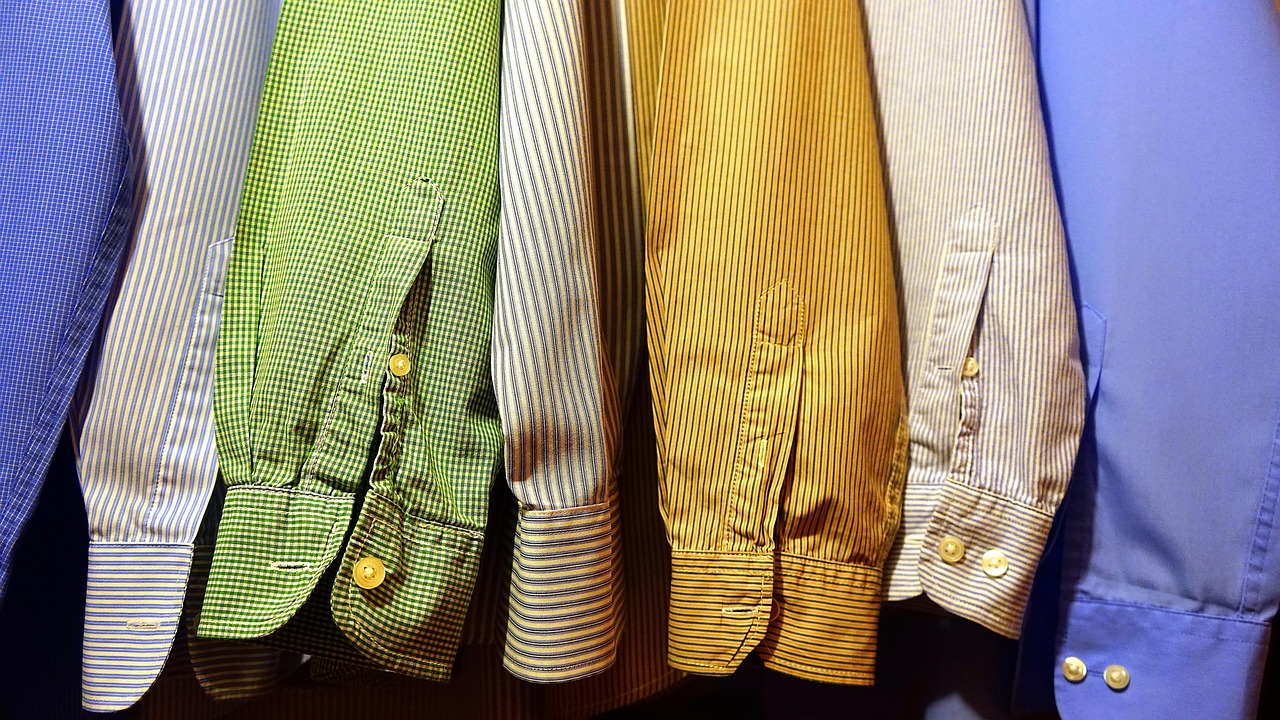
The most versatile versions are white, pale blue, striped, denim, chambray and classic Oxford shirts. These colors and fabrics work because they sit between formal and casual. They can be sharpened with tailoring or softened with jeans, sneakers and knitwear.
Before building an outfit, check three details:
- Collar style: A button-down collar feels relaxed and preppy. A spread or point collar looks dressier.
- Fabric: Oxford cloth is textured and casual, poplin is smoother and sharper, twill is softer and more fluid, and linen is airy and relaxed.
- Hem length: A long curved hem is easier to tuck. A shorter straight hem is better untucked.
If you want more wardrobe ideas beyond shirts, browse the Style Guides section for related outfit advice.
Start with fit before you change the outfit
A button down shirt can be styled many ways, but poor fit limits every option. A shirt that pulls across the buttons will still look tight under a jacket, while a shirt with too much excess fabric can bunch at the waist when tucked.
Shoulders and chest
The shoulder seam should sit close to the natural edge of the shoulder. If it falls too far down the arm, the shirt reads oversized. That can work for a deliberate relaxed look, but it should not look accidental. Across the chest, the placket should lie flat without gaping. If the buttons strain when you sit or move, size up or choose a different cut.
Sleeves and cuffs
Sleeves should be long enough to reach the wrist bone when your arms are relaxed. For casual outfits, a clean sleeve roll makes the shirt feel easier. Fold the cuff back once, then roll again to just below the elbow. Avoid pushing sleeves into a bulky bunch, especially with thicker Oxford or flannel shirts.
Length and tuck
A long dress-shirt hem is designed to stay tucked. Worn untucked, it may cover too much of the thigh and shorten the leg line. A casual button down with a shorter hem can be worn loose with jeans, chinos or shorts. When in doubt, check the side profile: if the hem drops much lower than the bottom of your jacket or covers the seat completely, it usually looks better tucked.
Casual ways to style a button down shirt
Casual styling works best when the shirt looks intentional but not formal. Texture, open collars and easy footwear help keep the outfit relaxed.
Open over a T-shirt
Wear the shirt unbuttoned over a plain crewneck T-shirt for a simple layered outfit. This works especially well with Oxford, chambray, denim, linen and flannel shirts. Keep the T-shirt clean and fitted enough to sit smoothly under the shirt. White, gray, navy and black are the easiest base colors.
Untucked with jeans or chinos
An untucked shirt can look sharp if the hem is short enough and the body is not too wide. Pair a pale blue Oxford with straight-leg jeans and loafers for a classic casual look, or wear a striped shirt with chinos and clean sneakers. Leave one or two top buttons undone, but avoid opening the shirt so far that the outfit loses structure.
Half-tucked for balance
The half-tuck is useful when the shirt is slightly long but you do not want a fully dressed-up effect. Tuck a small front section into jeans or trousers and let the rest fall naturally. This works better with softer fabrics such as linen, chambray and lightweight cotton than with very stiff dress shirts.
With shorts in warm weather
For summer, choose linen, cotton voile, lightweight Oxford or seersucker-style textures. Roll the sleeves, wear the shirt open over a tank or T-shirt, or button it and leave the hem untucked if the cut is casual. Pair it with tailored shorts rather than athletic shorts for a cleaner silhouette.
Office and smart casual outfit formulas
A button down shirt is one of the easiest pieces to move between business casual and smart casual. The difference usually comes down to fabric, tuck, trousers and shoes.
| Setting | Shirt choice | Best pairing | Styling note |
|---|---|---|---|
| Casual office | Oxford or striped cotton | Chinos, loafers or minimal sneakers | Roll sleeves only if the workplace allows it |
| Business casual | Poplin, pinpoint Oxford or fine twill | Wool trousers, belt and leather shoes | Tuck the shirt and keep the collar neat |
| Smart dinner | White, navy or pale blue shirt | Dark denim or tailored trousers | Add a jacket or textured knit layer |
| Weekend polish | Chambray, linen or casual Oxford | Jeans, chinos or relaxed trousers | Wear open-collar, half-tucked or untucked |
With chinos
Chinos are a reliable middle ground. A white or blue button down shirt with beige, olive, navy or charcoal chinos can move from office to weekend with only a shoe change. Loafers, desert boots and clean leather sneakers all work.
With tailored trousers
For a sharper outfit, tuck a smooth cotton shirt into pleated or flat-front trousers. Add a belt only if the trousers have belt loops; otherwise, let side tabs or a clean waistband keep the look minimal. A soft button-down collar can still work here, but very casual fabrics such as heavy flannel may feel out of place. See also: Fashion Trends.
With a blazer
A button down shirt under a blazer is a dependable smart casual formula. For the most balanced result, match the shirt texture to the jacket. Oxford cloth works with cotton, corduroy, tweed and unstructured wool jackets. Crisp poplin works better with smoother tailoring. If wearing a tie, choose a shirt with enough collar structure to frame the knot.
Layering ideas for every season
Layering is where a button down shirt becomes more than a single outfit piece. Depending on fabric and fit, it can work as a base layer, mid layer or lightweight overshirt.
Under knitwear
A button down shirt under a crewneck sweater, cardigan or sweater vest gives structure to soft knitwear. Keep the collar flat and avoid bulky shirt fabric under slim knits. Oxford and poplin are easier under sweaters than heavy flannel or denim.
Under a jacket
For fall and winter, wear a button down under a chore coat, bomber, trucker jacket, blazer or topcoat. The key is contrast. A smooth shirt works under rugged outerwear, while a textured Oxford adds ease under a tailored coat. Keep the shirt hem tucked when the jacket is shorter and the outfit is meant to look clean.
As an overshirt
A heavier button down can work like a light jacket. Denim, flannel, brushed cotton and heavier Oxford shirts are best for this. Wear them open over a T-shirt or fine knit, then pair with straight-leg jeans, canvas trousers or workwear-inspired pants. If the shirt is thin and dressy, it usually looks less convincing as an overshirt.
Choose colors and patterns that are easy to repeat
The most useful button down shirts are not always the loudest ones. A strong wardrobe usually starts with solids and subtle patterns that can be repeated without looking obvious.
- White: Clean, bright and versatile. Best with denim, tailoring, navy, gray and beige.
- Pale blue: Softer than white and easy with chinos, jeans, brown leather and navy jackets.
- Stripes: Add visual interest without becoming difficult to match. Blue-and-white stripes are especially flexible.
- Chambray: Casual like denim but usually lighter and easier to tuck.
- Checks: Best for relaxed outfits. Smaller checks look neater; large checks feel more rugged.
- Black or charcoal: Works well for evening outfits, especially with dark jeans or tailored trousers.
Pattern scale matters. If the shirt has a bold stripe or check, keep the rest of the outfit quieter. If the shirt is plain, use texture in the trousers, knitwear or jacket to prevent the look from feeling flat.
Common styling mistakes to avoid
The button down shirt is simple, but small details can make it look dated or careless. Most fixes are easy and usually cost nothing.
- Wearing a long dress shirt untucked: If the hem is too long, tuck it or choose a casual shirt with a shorter cut.
- Ignoring collar shape: A collapsed collar can make an otherwise good outfit look tired. Button the collar points when the shirt is designed for it.
- Mixing the wrong formality levels: A shiny dress shirt with distressed jeans can clash unless the styling is deliberate.
- Over-accessorizing: Let the shirt anchor the outfit. One belt, watch or simple necklace is usually enough.
- Choosing fabric without considering the season: Linen and lightweight cotton suit heat; flannel, denim and heavier Oxford suit cooler weather.
Care also matters. Follow the garment label, avoid excessive heat when drying cotton shirts, and iron or steam the collar and placket if they are wrinkled. A casual shirt does not always need to look freshly pressed, but the front placket and collar should look controlled.
Frequently asked questions
Should a button down shirt be tucked in?
Tuck it in for business casual, smart casual and outfits with tailored trousers. Wear it untucked when the hem is shorter, the fabric is casual, and the outfit is built around jeans, chinos or shorts.
Can you wear a button down shirt with jeans?
Yes. Jeans are one of the easiest pairings. A blue Oxford with dark denim feels classic, while a white shirt with straight-leg jeans looks clean and minimal. For a relaxed effect, roll the sleeves or leave the top button open.
What shoes go with a button down shirt?
Loafers, derbies, boots, minimal sneakers and sandals can all work depending on the outfit. Use leather shoes for sharper looks, sneakers for casual outfits, and boots with heavier shirts such as flannel, denim or Oxford cloth.
Is a button down shirt formal?
It depends on the fabric, collar and styling. Smooth poplin or fine twill can look business-ready, especially when tucked into trousers. Oxford cloth, linen, flannel and chambray usually read more casual.
How many button down shirts do you need?
A practical starting point is three to five: one white, one pale blue, one striped shirt, one casual Oxford or chambray, and one seasonal option such as linen or flannel. That range covers work, weekends and layering without making the wardrobe repetitive.