
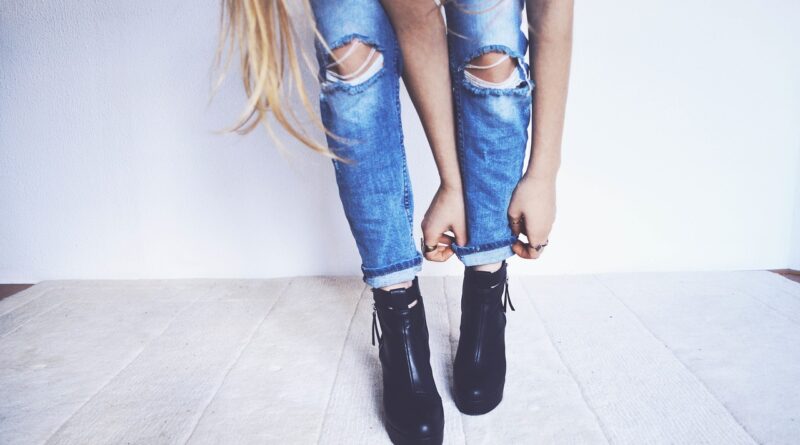
Gen Z fashion trends in 2026 are about control, not chaos
What defines Gen Z fashion trends in 2026
Gen Z fashion trends in 2026 are less about copying one dominant aesthetic and more about managing the wardrobe with intent: what to buy new, what to buy secondhand, what to customize and what to skip. The strongest signals point to resale as a mainstream style channel, utility and comfort as everyday foundations, and expressive details such as lace, cool blue, brooches, charms and darker romantic styling as lower-risk updates.
The mood is not anti-fashion. It is more selective fashion, shaped by budgets, social feeds, sustainability concerns and the desire to look individual without rebuilding a closet every season. That makes this cycle different from the older model of one seasonal look filtering down from runway to retail. For readers following broader market shifts, our Fashion Trends section tracks how these signals connect with wider apparel culture.
Resale is now a style system, not just an eco statement
The biggest structural shift behind Gen Z style is the normalization of secondhand fashion. ThredUp’s 14th annual Resale Report, released on April 2, 2026, projected that the global secondhand market could reach $393 billion by 2030 and said Gen Z and Millennials are expected to drive 71% of market growth through 2030. The same report also noted that nearly half of shoppers discover secondhand finds through social media, creators and influencer feeds rather than only through traditional search. (thredup.gcs-web.com)
That matters because resale changes the look of youth fashion. Instead of everyone buying the same new drop, shoppers can combine archival sportswear, vintage denim, pre-loved handbags, thrifted outerwear and current basics. A 2025 BCG and Vestiaire Collective resale report found that secondhand items made up to 32% of Gen Z closets in its survey, rising to 45% for handbags and 36% for clothing. It also reported that around 80% of Gen Z respondents had bought or discovered a brand for the first time through secondhand, above the overall average of 66%. (web-assets.bcg.com)
Cost is a major reason, but it is not the only one. eBay’s 2026 Recommerce Report said 76% of surveyed consumers had shopped secondhand in the past year, and 53% of 18-to-29-year-olds expected to buy more secondhand goods. The report listed saving money, sustainability and finding rare or unique items as top motivations. Bank of America Institute data also showed Gen Z accounted for 41% of secondhand clothing sellers year-to-date in 2026, suggesting that young shoppers are treating the closet as both a personal archive and a resale asset. (ebayinc.com) (institute.bankofamerica.com)
The key aesthetics are modular, not uniform
Gen Z style in 2026 works more like a set of modules than a fixed uniform. A person might wear wide-leg denim, a fitted baby tee, vintage sneakers, a thrifted blazer and a charm-covered bag without committing to one aesthetic label. For brands, editors and buyers, the more useful read is by signal: silhouette, sourcing, styling detail and social context, rather than one outfit formula.
Gender-neutral, sustainable and quiet luxury signals overlap
YouGov’s U.S. fashion retailer rankings report, based on a February 28, 2026 survey, gives a useful snapshot of what Gen Z says it likes. Among Gen Z respondents, 60% said they loved or liked gender-neutral clothing, 56% said the same for sustainable or eco-friendly clothing, 54% for quiet luxury, and 48% for 1990s or Y2K-inspired fashion. Those figures show that Gen Z fashion is not simply maximalist or nostalgic. It can be logo-light, practical and sustainability-coded while still drawing from retro references. (commercial.yougov.com)
| Trend signal | What it means in outfits | How to wear it without overdoing it |
|---|---|---|
| Gender-neutral clothing | Relaxed shirts, wide trousers, boxy jackets and neutral layers | Focus on fit, fabric and proportion rather than labels |
| Sustainable or eco-friendly clothing | Secondhand buys, repairable staples and lower-volume purchasing | Choose pieces you can rewear and alter |
| Quiet luxury | Simple, polished, logo-free dressing | Mix one refined basic with thrifted or casual pieces |
| 1990s and Y2K references | Low-slung silhouettes, denim, sporty tops and playful accessories | Use one nostalgic element rather than a full costume |
Lace, cool blue and romantic darkness add emotion
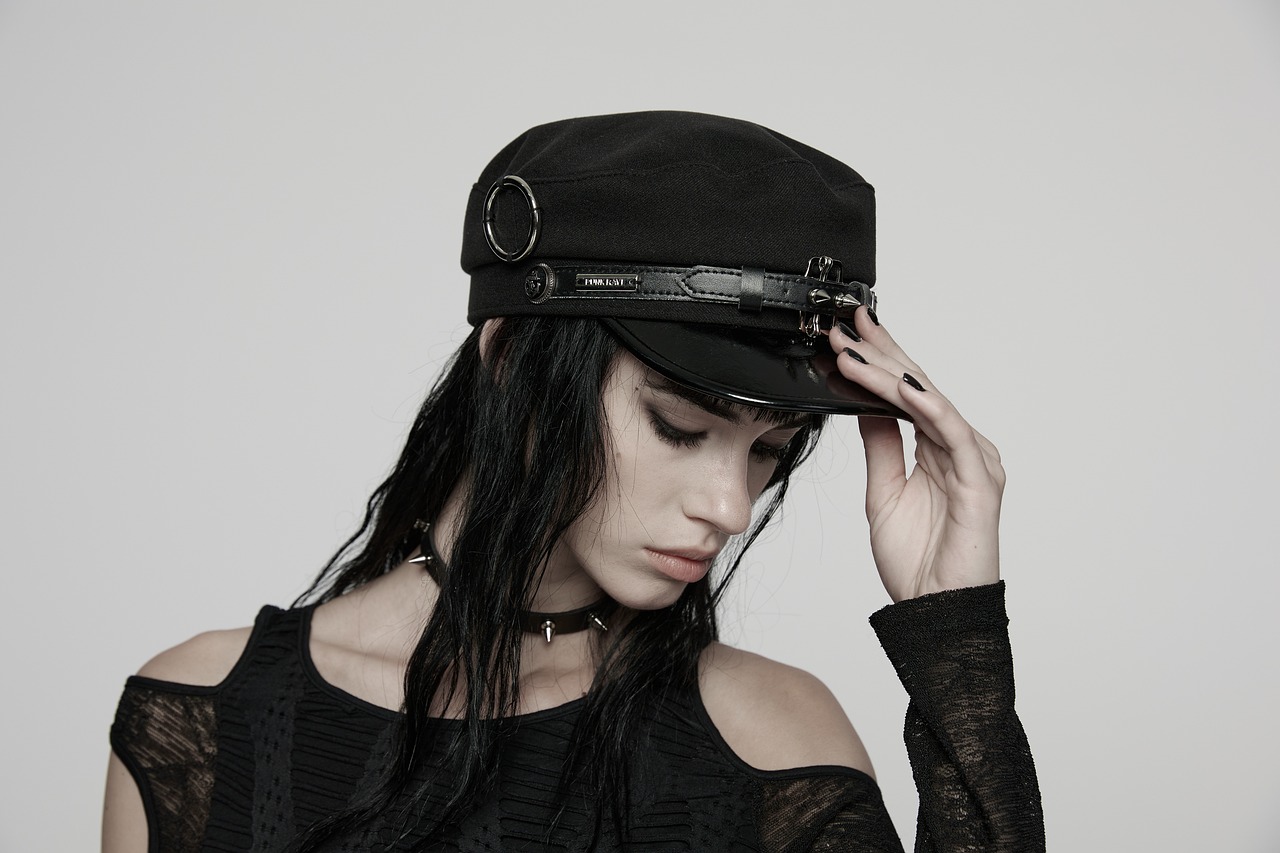
Pinterest Predicts 2026 identified several fashion-facing directions that fit Gen Z’s appetite for self-expression. Its “Laced Up” trend connected lace details with Gen Z and Millennials, while related searches such as lace nails, lace bandana and lace makeup showed notable increases in Pinterest’s analysis. The same report also highlighted “Cool Blue,” driven by Gen Z and Millennials, with icy blue and glacier-inspired styling moving across fashion, beauty and celebrations. Its “Vamp Romantic” beauty signal pointed toward dark romantic makeup and goth-adjacent polish. (newsroom.pinterest.com)
For fashion, the takeaway is practical. Lace does not have to mean a full dress; it can be a collar, cuff, belt, sock or hair accessory. Cool blue can show up as a shirt, bag, nail color or outerwear accent. Dark romantic styling can stay subtle through a satin skirt, black boot, smoky liner or structured coat.
Utility and outdoor references keep the look grounded
Another strong Gen Z tendency is making functional clothing look social. Cargo pockets, hiking sandals, track jackets, caps, zip layers and roomy bags remain useful because they work for school, commuting, work, festivals and travel. Pinterest’s 2026 “Khaki Coded” direction and YouGov’s finding that hiking or camping-style clothing had meaningful Gen Z interest point to the same idea: young shoppers want pieces that perform in daily life, not only in photos. (business.pinterest.com) (commercial.yougov.com)
Social discovery is changing how trends spread
Gen Z trends do not travel in a straight line from runway to store to consumer. They move through resale listings, creator videos, comments, campus style, thrift hauls, outfit checks and niche communities. TikTok’s 2026 trend materials described a move toward community, intentionality and clearer reasons to buy, while its report said Millennial and Gen Z users are 1.5 times more likely than Gen X and older users to try a new brand because of its community. (ads.tiktok.com)
This helps explain why microtrends feel both fast and personal. A bow, brooch, lace sock or bag charm can become visible quickly because it is easy to copy, inexpensive to test and highly photogenic. At the same time, many Gen Z shoppers are becoming more selective. A trend has to fit into an existing identity, not replace it every week. The more durable shift is therefore not “wear this item.” It is “show how this item says something specific about you.” See also: Outfit Ideas.
How to build a Gen Z-inspired wardrobe without chasing every microtrend
The strongest Gen Z wardrobe strategy is editing, not accumulation. Start with silhouettes that feel current but wearable: wider trousers, straight-leg denim, boxy jackets, compact tops, layered knits, relaxed shirts and sneakers or flats that can handle daily use. Then add one expressive detail at a time. This keeps the outfit trend-aware without turning the closet into a record of abandoned internet moods.
- Start with proportion. A cropped jacket over wide trousers, or a fitted top with a loose skirt, often reads more current than a head-to-toe trend purchase.
- Use accessories as experiments. Brooches, charms, belts, caps, lace socks, tinted sunglasses and small bags are easier to rotate than coats or shoes.
- Buy secondhand for character. Vintage sportswear, leather jackets, denim and handbags can make a simple outfit look personal.
- Repair before replacing. Hemming, patching, embroidery and button swaps can make an existing garment feel new.
- Avoid trend stacking. Y2K denim, lace, charms, bows, sporty outerwear and goth beauty can work together, but usually not all at once.
Repair is becoming part of the conversation because it addresses both budget and identity needs. In an August 2026 Associated Press report, retailers including Levi’s, Uniqlo, Primark, Zara and H&M were discussed in connection with repair, mending or resale programs aimed partly at younger shoppers. The same article also included skepticism from sustainability experts, who warned that repair initiatives have limited environmental impact if overall clothing production keeps rising. That distinction matters: mending is useful, but it is not a full solution to overconsumption. (apnews.com)
What brands, editors and shoppers should take from the shift
For fashion brands, the lesson is that Gen Z does not respond only to trend names. Value, originality, community and usability matter. A product story should explain why the piece belongs in a wardrobe, how it can be styled more than one way and whether it can hold up beyond the first viral moment. For editors and trend watchers, the better question is not “Which aesthetic wins?” but “Which behaviors are changing how people dress?”
The answer in 2026 is clear enough to guide planning: resale is shaping discovery, practical clothing is becoming expressive, accessories are carrying more trend weight, and personal editing is replacing total-look conformity. Gen Z fashion can look chaotic from the outside because many references coexist. Up close, it is a controlled system of value, identity and experimentation.
Frequently asked questions
What is the biggest Gen Z fashion trend in 2026?
The biggest trend is not one item. It is the combination of secondhand shopping, individual styling and selective trend adoption. Resale, gender-neutral basics, practical silhouettes and expressive accessories are all part of the same shift.
Is Y2K fashion still popular with Gen Z?
Yes, but it is less dominant than it was earlier in the decade. YouGov’s 2026 survey found 48% of Gen Z respondents loved or liked 1990s or Y2K-inspired fashion, while higher shares liked gender-neutral, sustainable and quiet luxury styles. That suggests Y2K remains a reference, not the whole story.
Why does Gen Z like secondhand fashion?
Secondhand fashion offers lower prices, rarer pieces, sustainability value and a stronger sense of individuality. It also turns shopping into discovery, especially when vintage finds and resale listings circulate through social media.
Are Gen Z fashion trends sustainable?
Some behaviors, such as buying secondhand, repairing garments and choosing reusable basics, can reduce waste when they replace new purchases. But sustainability depends on total consumption. Buying too many secondhand items or treating every microtrend as disposable still creates clutter and waste.
How can someone dress with Gen Z influence without looking like they are copying TikTok?
Use the signals rather than copying a full viral outfit. Try one updated silhouette, one secondhand statement piece or one expressive accessory, then keep the rest of the outfit simple. The goal is personal style, not trend imitation.