

How to style short hair for men without overdoing it
The quick answer for styling short hair
If you searched for “how to style short hair male,” the practical answer is straightforward: start with a haircut that has a clear shape, dry the hair in the direction you want it to sit, then use a small amount of product that suits your texture and preferred finish. Short styles usually go wrong when the cut has no structure, the product is too heavy, or the hair is styled only after it has dried flat.
For most men, a reliable routine is simple. Towel-dry first, shape the hair with your fingers or a brush while it is still slightly damp, use a blow dryer if you need lift, then finish with a pea-sized amount of matte clay, paste, cream, pomade, or gel. Because short hair leaves less room to hide mistakes, control, proportion, and restraint matter more than adding more product.
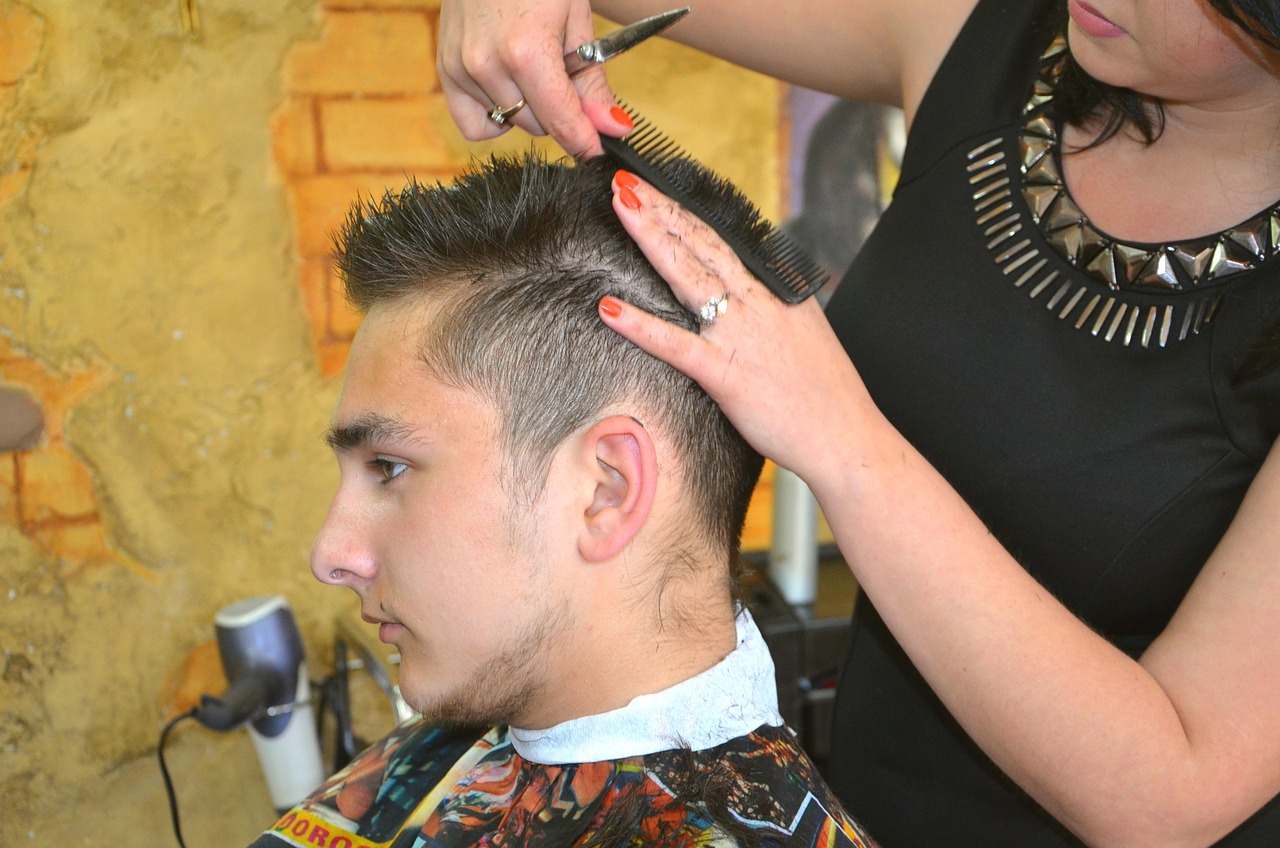
This guide focuses on realistic short hairstyles men can wear day to day, including crops, crew cuts, buzz cuts, Ivy League cuts, short quiffs, textured fades, and neat side parts. For more clothing and grooming ideas, visit the Style Guides section.
Start with the haircut, not the product
Short hair styling starts in the barber chair. Product can add hold, texture, shine, or separation, but it cannot fully fix a cut that works against your growth pattern. Before choosing a product, decide what the haircut needs to do: sharpen your face, add height, reduce bulk, make thinning less noticeable, or keep the morning routine low-maintenance.
A buzz cut is the easiest to maintain because it follows the head closely and needs little daily styling. A crew cut gives a clean shape with slightly more length on top, which allows for light texture. A French crop or textured crop works well when you want forward movement and a casual finish. An Ivy League cut gives a polished short style with enough length to part or sweep. A short quiff needs more length at the front and usually benefits from blow-drying at the roots.
The sides also change the final look. A high fade makes the top stand out more and can look sharper, but it may expose more scalp and grow out quickly. A low taper is softer and more conservative. A mid fade sits between the two and works with many modern short cuts. If you are unsure, ask for a shape that can still be adjusted at the next appointment rather than an extreme fade that leaves little room to correct.
Be honest about your routine as well. If you do not want to use a dryer or spend more than two minutes on your hair, a short quiff or lifted fringe may not be the best daily choice. If your hair grows forward, a crop will usually be easier than forcing a slick back. If it grows strongly to one side, a side part or swept style may look more natural than a centered fringe.
Match the style to your hair type and face shape
The same short haircut can look very different on straight, wavy, curly, thick, fine, or thinning hair. Short hair should not be treated as one single category. Your natural texture determines how much hold you need and whether a matte, natural, or shiny finish will look most balanced.
Straight hair
Straight short hair often lies flat, especially when it is fine or heavy. A matte clay, paste, or texture powder can help create separation without making the hair look wet. Blow-drying the roots upward or slightly backward before applying product usually gives better shape than applying product to flat, dry hair.
Wavy hair
Wavy hair already has movement, so the goal is usually control rather than force. A light cream, flexible paste, or small amount of clay can define the wave while keeping the style relaxed. Avoid over-combing if you want texture; fingers often work better than a fine-tooth comb.
Curly hair
Short curly hair can look strong and balanced when the sides are shaped and the top keeps enough length for curl definition. A cream or curl-friendly styling product is usually more forgiving than a stiff gel. If the curls are cut too short on top, they may lose their pattern and look uneven rather than textured.
Fine or thinning hair
Fine hair usually needs light products. Heavy waxes, oily pomades, and too much gel can make the hair clump together, which may expose more scalp. Matte paste, styling powder, or a very light clay can create the appearance of fullness because they add grip without too much shine. If hair loss changes quickly, appears patchy, or comes with scalp discomfort, medical sources such as the American Academy of Dermatology and Cleveland Clinic advise speaking with a qualified clinician rather than relying only on styling changes.
Face shape basics
For rounder faces, a little height on top and cleaner sides can create a longer-looking silhouette. For longer faces, avoid excessive height and consider a crop, fringe, or balanced crew cut. For square faces, most short cuts work well because the jaw already gives structure. For very narrow faces, too much skin fade can make the face look slimmer, so a softer taper may be more balanced.
Choose the right product for the finish you want
Men’s styling products are often marketed with overlapping names, but the practical differences are hold, shine, weight, and flexibility. The right product should support the haircut without looking like a separate layer sitting on top of it.
| Product type | Best for | Finish | Common mistake |
|---|---|---|---|
| Matte clay | Textured crops, messy crew cuts, thick short hair | Low shine, firm texture | Using too much and making hair stiff or dusty |
| Paste | Everyday short styles, side-swept looks, casual texture | Natural to matte | Applying only to the surface instead of working through the roots |
| Cream | Wavy, curly, dry, or softer short hair | Natural, flexible | Expecting strong hold from a light product |
| Pomade | Side parts, slick backs, polished Ivy League styles | Medium to high shine, controlled | Using it on fine hair when a matte finish would look fuller |
| Gel | Sharp hold, wet-look styles, very controlled finishes | High shine, firm hold | Creating a hard shell that looks dated or flakes when disturbed |
| Texture powder | Fine hair, flat roots, quick volume | Matte, dry grip | Overusing it and making the hair feel gritty |
As a rule, start with less than you think you need. Warm a small amount between your palms until it spreads evenly, then apply from the back toward the front so the visible hairline does not get overloaded. Add more only where needed. Short hair shows excess product quickly, especially around the fringe and temples.
If your style collapses by midday, stronger product is not always the answer. You may need to dry the roots in the correct direction first, use a lighter product, shorten heavy areas in the cut, or stop touching the hair repeatedly. Hold comes from the combination of cut, drying, and product, not product alone.
Step-by-step routines for common short men’s styles
Different short cuts need different routines. The steps below give a practical starting point, but the amount of product should change according to hair density and length.
Buzz cut
A buzz cut needs almost no styling, but it still benefits from clean edges and basic scalp care. Keep the hair clean, use a light moisturizer or sunscreen on exposed scalp when needed, and schedule trims regularly if you want the shape to stay sharp. Styling product is usually unnecessary unless you are controlling a slightly longer buzz or adding a subtle finish.
Crew cut
Towel-dry until the hair is damp, then push the front slightly upward or to the side with your fingers. If your hair is flat, use a dryer on low or medium heat while lifting the front. Finish with a small amount of matte paste or clay, focusing on the top rather than the sides. The goal is clean texture, not a spiky crown.
Textured crop
For a textured crop, dry the hair forward and slightly downward. Rub a small amount of clay or paste into your fingertips, then pinch small sections to create separation. Keep the fringe controlled rather than perfectly straight unless the cut is designed as a blunt crop. This style works especially well when the top has been point-cut or texturized by the barber. See also: Fashion Trends.
Ivy League or short side part
Comb the hair into its natural part while damp. Use a dryer if you want a cleaner shape, directing airflow from the part across the top. Apply paste for a natural finish or pomade for a more polished look. Keep the product light near the front so the hair still moves naturally.
Short quiff
A short quiff needs lift at the front. Start with damp hair, then blow-dry the front upward and slightly back while using your fingers or a vent brush. Once the shape is set, apply clay, wax, or paste through the top. Avoid loading the fringe with heavy product before drying, because that can pull the style down before it has structure.
Short curly top with faded or tapered sides
Dry curls gently instead of rubbing them aggressively with a towel. Apply a small amount of cream or light styling product while the hair is still slightly damp. Shape with fingers and let the curl pattern settle. If you use a dryer, a lower heat setting helps reduce frizz. The sides should be maintained often enough that the silhouette still looks intentional.
Common mistakes that make short hair harder to style
The most common mistake is using too much product. Short hair needs control, but excess product can make it look greasy, crunchy, or artificially separated. If the style looks better after you run clean hands through it, you probably used too much.
Another mistake is ignoring the direction of growth. Cowlicks, double crowns, and forward-growing hairlines are easier to work with than fight. A good barber can adjust length and layering around these areas so the final style looks deliberate.
Many men also skip the drying step. Product works better when the shape already exists. If you want volume, dry the roots upward first. If you want a crop, dry the hair forward. If you want a side part, create the part while the hair is damp. The dryer does not have to be used on high heat; the point is direction and root control.
Be careful with styles that create constant tension. Dermatology guidance commonly warns that repeated pulling from tight hairstyles can contribute to traction-related hair damage. This is more relevant to longer styles, tight buns, braids, or extensions, but the broader lesson still applies: discomfort, scalp tenderness, or repeated pulling is not a good styling strategy.
Finally, do not copy a reference photo without comparing hair type. A thick, wavy crop in a photo may not translate to fine straight hair without a different cut and product. A sharp fade may look clean on one head shape and too severe on another. Bring references to the barber, but ask what needs to change for your hair.
What to ask your barber for
A clear barber conversation saves more time than any product routine. Instead of saying only “short on the sides,” describe the result you want and how much effort you will put in each morning.
- For a low-maintenance clean look: ask for a crew cut or short taper with enough length on top to move naturally.
- For texture: ask for a textured crop or point-cut top, but avoid removing so much weight that the hair becomes wispy.
- For a polished office-friendly style: ask for an Ivy League cut with a soft side part and tapered sides.
- For height: ask for a short quiff with length preserved at the front and controlled weight through the crown.
- For thinning areas: ask for a balanced short cut that avoids heavy contrast between dense and sparse sections.
It is also useful to ask how the cut should be styled at home. A barber can show the direction to dry the hair, the amount of product to use, and whether your style needs clay, paste, cream, or pomade. That quick demonstration often matters more than the product brand.
Frequently asked questions
How often should men with short hair get a haircut?
Many short styles look sharpest with trims every three to six weeks, depending on how tight the sides are and how fast your hair grows. Skin fades and sharp tapers usually need more frequent maintenance than a soft crew cut or textured crop.
Should short hair be styled wet or dry?
Most short hair is easiest to shape when slightly damp, then finished when dry or nearly dry. Wet hair can hide the final volume, while fully dry hair may resist direction. For volume, dry the roots first, then apply a small amount of finishing product.
What is the best product for short male hair?
There is no single best product for every man. Matte clay works well for firm texture, paste is versatile for everyday styles, cream suits softer or curly hair, pomade gives polish, and texture powder helps flat or fine hair. Choose by hair type and finish rather than trend.
How can I make short hair look thicker?
Keep the cut balanced, avoid heavy shine, and use lightweight matte products that add separation without clumping. Blow-drying at the roots can help create lift. If thinning is sudden, patchy, or accompanied by scalp symptoms, it is better to seek professional medical advice than to rely only on styling.
Can short hair be stylish without a fade?
Yes. A taper, scissor-cut side, Ivy League, crop, or classic crew cut can look stylish without a dramatic fade. Fades are popular because they create contrast, but they are not required for a modern short hairstyle.
The bottom line
Styling short hair well is less about complicated techniques and more about matching the cut, texture, product, and routine. Choose a haircut that works with your growth pattern, shape it while damp, use the lightest product that gives enough control, and avoid overloading the hair. When short hair looks effortless, it is usually because the structure was planned before the product was applied.