
80s fashion women wore from power suits to party dresses
What defined 80s fashion for women
In fashion search, the phrase 80s fashion women usually points to a decade built around visibility. Women’s style in the 1980s moved away from many of the softer silhouettes associated with the 1970s and toward looks that were larger, brighter, sharper, and more image-conscious. Broad shoulders, power suits, acid-wash denim, leggings, bodysuits, miniskirts, metallic party dresses, statement belts, oversized jewelry, and bold beauty cues all belonged to the period.
It was not one uniform look. The decade was shaped by office ambition, MTV, aerobics culture, designer branding, punk, New Romantic style, celebrity influence, and mall fashion. For readers exploring fashion trends, the useful starting point is confidence and contrast: a blazer could read as professional armor, a lace glove could signal pop rebellion, and a tracksuit or leotard could move from the gym into everyday casual dressing. That tension is why 80s references continue to return in modern wardrobes.
The social and style context behind the decade
Fashion-history resources such as FIT’s Fashion History Timeline, museum collection notes from The Met, and archival fashion writing from Vogue describe the 1980s as a period when clothing became closely tied to image, career, fitness, nightlife, and celebrity media. Music videos made style more visible and easier to copy. Cable television, glossy magazines, and red-carpet photography helped turn clothing into a public performance rather than a purely private choice.
Women’s fashion also reflected changes in work and lifestyle. More women were pursuing professional careers, and business dressing became an important visual language. The power suit, with padded shoulders and tailored lines, projected authority in workplaces that were still often male-dominated. At the same time, leisure and body culture became more prominent. Aerobics, dance classes, and workout videos made leggings, leotards, sweatshirts, and sneakers part of everyday dress.
The decade was pluralistic. High fashion embraced sculptural shapes and experimental construction, while mainstream wardrobes mixed mall fashion, vintage references, preppy separates, denim, and pop-star styling. This variety matters because reducing 80s fashion to shoulder pads alone misses how differently women used style to communicate identity, status, taste, and lifestyle.
A quick timeline of major women’s 80s fashion signals
| Period | Key style signals | Why it mattered |
|---|---|---|
| Early 1980s | Romantic blouses, prairie details, tailored suits, slim skirts, glossy occasion dressing | The decade opened with a mix of conservative polish and romantic drama, visible in both office dressing and formalwear. |
| 1981 | Princess Diana’s wedding dress by David and Elizabeth Emanuel | The voluminous dress helped reinforce interest in romantic sleeves, taffeta, ruffles, and fairy-tale bridal influence. |
| Mid-1980s | Power suits, aerobic wear, denim, lace, leather, miniskirts, bold accessories | This was when office ambition, pop culture, and fitness style became especially visible in everyday wardrobes. |
| 1985 | Madonna’s film-era lace, bows, layered jewelry, gloves, and thrift-inspired styling | Pop styling made individual mixing feel aspirational, especially for younger women. |
| Late 1980s | Luxury logos, jewel tones, metallic dresses, body-conscious stretch fabrics, wider designer influence | The decade’s taste for status, glamour, and strong silhouettes reached a more polished and often more expensive expression. |
Key clothing pieces that made the look recognizable
Power suits and shoulder pads
The power suit is one of the clearest symbols of 1980s women’s fashion. It typically featured a strong jacket, padded shoulders, a defined waist, and a straight or pencil skirt, although trousers were also common. The silhouette made the upper body appear broader and more commanding. Museum descriptions of 1980s garments often note this emphasis on shoulder width, which became one of the decade’s defining shapes.
For modern styling, the lesson is proportion. A structured blazer can nod to the 80s without becoming theatrical when it is paired with straight jeans, a simple tank, or a narrow skirt. One strong shoulder line is usually enough; adding every 80s reference at once quickly turns the outfit into a costume.
Denim in acid wash, high waists, and oversized cuts
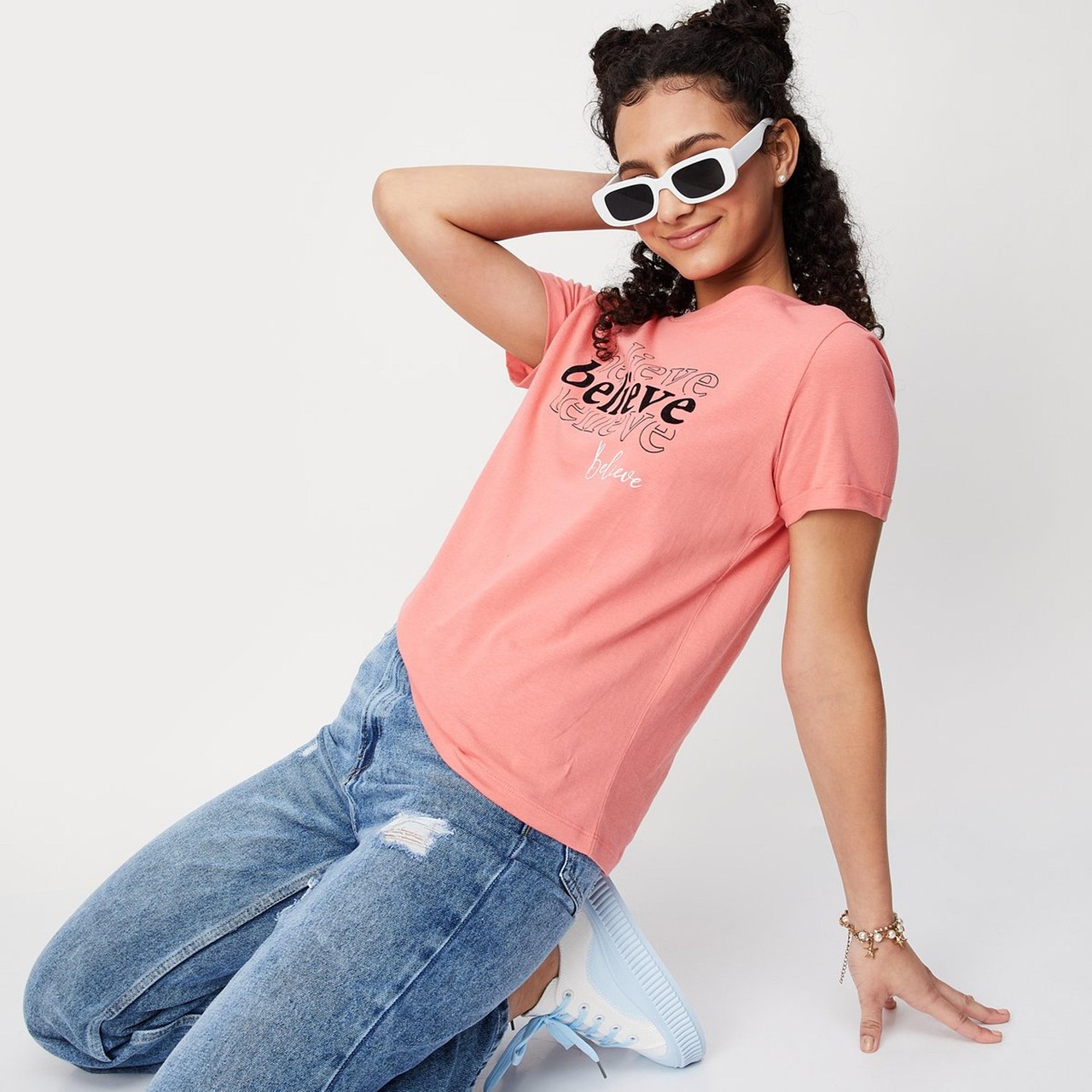
Denim was everywhere in the 1980s. Women wore high-waisted jeans, tapered jeans, denim jackets, mini skirts, and double-denim outfits. Acid wash and stonewash finishes gave denim a distressed, high-contrast look that felt more graphic than the faded blues of earlier decades. Jeans were often styled with tucked T-shirts, belts, slouchy sweaters, cropped jackets, or ankle boots.
The modern version is easier to wear when the wash is treated as the statement. Acid-wash jeans work best with a clean white tee, black knitwear, or a minimal blazer. A high-waisted tapered jean can also capture the decade without feeling like costume when the rest of the outfit stays simple.
Fitness wear outside the gym
The fitness boom made leotards, leggings, bike shorts, sweatbands, leg warmers, cropped sweatshirts, and bright sneakers highly visible. This was not only about exercise. It changed casual dressing by making stretch fabrics and body-conscious layering feel fashionable. Lycra and other stretch materials helped create a closer fit, while color-blocking gave workout clothes a graphic look.
Today’s athleisure owes something to this shift. A bodysuit with relaxed jeans, leggings with an oversized sweatshirt, or white sneakers with a blazer all echo the way 1980s style blurred the line between performance clothing and streetwear.
Party dresses, metallics, and volume
Eveningwear in the 1980s often leaned into shine and drama. Common details included sequins, lamé-like metallic finishes, puff sleeves, ruched bodices, taffeta, satin, bows, peplums, and asymmetrical necklines. The effect was celebratory and highly photogenic. Late-decade luxury dressing, including bright color and couture-influenced shapes, helped make party clothing feel like a statement of status as well as taste.
A modern 80s-inspired party look does not need every detail at once. A metallic mini dress, a one-shoulder top, or a puff-sleeve blouse with tailored black trousers can suggest the decade while still looking current.
Accessories, hair, and makeup completed the message
Accessories were not afterthoughts in 80s fashion. They often carried the attitude of the outfit. Women wore wide belts, chain belts, stacked bangles, oversized earrings, pearls, brooches, scrunchies, lace gloves, sunglasses, and structured handbags. Jewelry was frequently bold, shiny, and visible from a distance.
Hair and makeup followed the same logic of impact. Big hair, perms, teased volume, side ponytails, and sculpted bangs were common visual signatures. Makeup often included strong blush, bright lipstick, blue or purple eyeshadow, black eyeliner, and defined brows. The overall effect was expressive, camera-ready, and aligned with the decade’s appetite for spectacle.
When adapting these details now, it is usually better to choose one focal point. Oversized earrings can make a simple black dress feel 80s-inspired. A scrunchie can soften a blazer-and-jeans look. A bright lip can reference the decade without needing teased hair or heavy eye makeup. See also: Outfit Ideas.
Style icons and subcultures that shaped the look
Several public figures helped define how women interpreted 1980s fashion. Princess Diana influenced romantic dresses, polished tailoring, statement collars, and sporty casual looks. Madonna popularized lace, layered jewelry, gloves, bows, thrift mixing, and lingerie-inspired styling. Grace Jones brought a sharper, more sculptural image through strong shoulders, angular shapes, and dramatic presentation. Jane Fonda’s workout imagery helped connect fitness clothing with mainstream style.
Designers and subcultures mattered too. Donna Karan helped refine practical, urban American dressing. Azzedine Alaïa became associated with body-conscious stretch and sculptural fit. Vivienne Westwood’s mid-decade work reworked historical shapes through a rebellious lens. Japanese designers including Rei Kawakubo, Yohji Yamamoto, and Issey Miyake challenged Western assumptions about shape, gender, and structure with more experimental clothing.
These references show why the decade cannot be reduced to a single outfit formula. One woman’s 80s look might be a navy skirt suit and pumps. Another might be a lace skirt, leather jacket, and cross necklace. Another might be a black avant-garde dress with an intentionally oversized shape. The shared thread was a willingness to make clothing visible and intentional.
How to wear 80s-inspired fashion now
The easiest way to wear 80s fashion today is to borrow the decade’s proportion, texture, or color rather than copy it head to toe. A full costume look can work for a themed event, but everyday styling is stronger when one or two references are edited into a modern wardrobe.
- Start with a blazer. Choose a slightly oversized or padded-shoulder jacket and pair it with denim, a slip skirt, or tailored trousers.
- Use denim as the anchor. Try high-waisted jeans, a cropped denim jacket, or a washed denim skirt with clean basics.
- Add one bold accessory. Large earrings, a wide belt, or a stack of bangles can shift a simple outfit toward the 80s.
- Balance volume with simplicity. If the top has puff sleeves or strong shoulders, keep the bottom streamlined.
- Choose color carefully. Jewel tones, hot pink, cobalt, red, black, white, and metallics all work, but a limited palette looks more contemporary.
- Reference fitness style subtly. A bodysuit, leggings, slouchy sweatshirt, or white sneakers can suggest the era without looking like workout costume.
For a casual outfit, try high-waisted jeans, a tucked white tee, an oversized blazer, hoop earrings, and ankle boots. For evening, choose a ruched black mini dress with bold earrings and pointed pumps. For office inspiration, pair a structured blazer with wide-leg trousers and a simple knit top. Each outfit nods to the decade while respecting modern fit and proportion.
What people often get wrong about 80s women’s fashion
The biggest misunderstanding is that 80s fashion was only loud. It was often bold, but it was also strategic. Office dressing used structure to communicate authority. Fitness wear reflected changing ideas about the body and lifestyle. Designer fashion explored new shapes, materials, and cultural references. Pop style encouraged personal mixing long before social media made outfit individuality a daily performance.
Another mistake is treating every 80s detail as equally useful today. Extreme shoulder pads, heavy neon layering, and fully teased hair can read strongly as costume unless the setting calls for it. Other elements, including strong tailoring, high-waisted denim, bodysuits, statement earrings, and metallic evening pieces, translate more easily into contemporary wardrobes.
The most wearable approach is selective revival. Keep the confidence, contrast, and structure. Edit the excess when needed. That is why 80s fashion women wore still feels relevant: it offers a vocabulary for dressing with presence.
Frequently asked questions
What did women commonly wear in the 80s?
Common women’s 80s fashion pieces included power suits, padded-shoulder blazers, high-waisted jeans, acid-wash denim, leggings, leotards, oversized sweaters, miniskirts, party dresses, pumps, sneakers, wide belts, and large earrings. The exact outfit depended on age, workplace, music taste, budget, and subculture.
What colors were popular in 1980s women’s fashion?
Popular colors included black, white, red, cobalt blue, hot pink, purple, turquoise, metallic gold and silver, and bright neon shades. Jewel tones and high-contrast combinations were especially common in partywear and pop-inspired styling.
Was 80s fashion only about shoulder pads?
No. Shoulder pads were important, especially in power dressing, but the decade also included romantic dresses, fitness wear, punk and New Romantic influences, denim, preppy style, designer minimalism, body-conscious stretch clothing, and avant-garde silhouettes.
How can I create an 80s-inspired outfit without looking like a costume?
Choose one or two references instead of copying the decade completely. A structured blazer, high-waisted jeans, bold earrings, and a simple top can feel modern. Avoid combining extreme hair, neon, shoulder pads, lace gloves, and heavy makeup unless the goal is a themed look.
Why is 80s fashion still influential?
It remains influential because many of its ideas still work: strong tailoring, expressive accessories, denim styling, athleisure, body-conscious silhouettes, and statement partywear. The decade’s focus on confidence and image continues to resonate with contemporary fashion.