
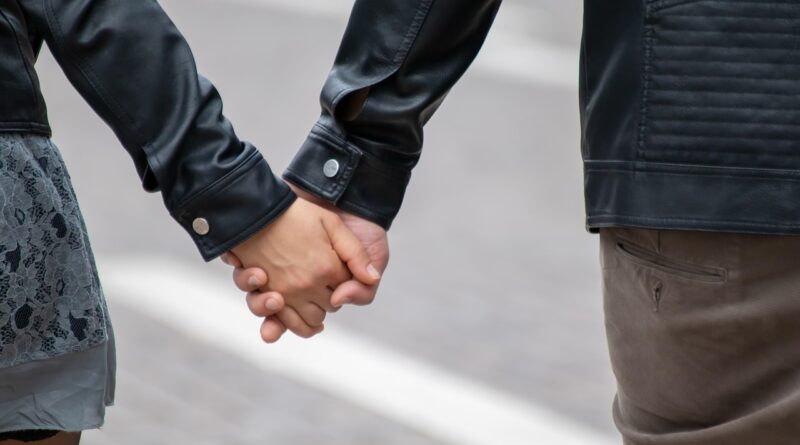
How to style leather jacket outfits without overdoing it
Start with fit, then build the outfit
The clearest answer to how to style leather jacket outfits is to treat the jacket as the main structure of the look, not as an afterthought. When the shoulders, sleeve length, and hem sit well, the rest of the outfit can stay simple: denim, tailored trousers, knitwear, dresses, skirts, boots, loafers, or clean sneakers. Leather already adds texture and visual weight, so strong styling usually comes from balance rather than adding more statement pieces. For more wardrobe ideas, browse our style guides.
This guide focuses on wearable formulas rather than one narrow aesthetic. A biker jacket, bomber, racer, blazer, cropped jacket, and oversized leather jacket all change the proportions of an outfit. The goal is not to make every leather jacket look the same. It is to understand what each shape does, then choose the right layers, bottoms, shoes, and accessories for the occasion.
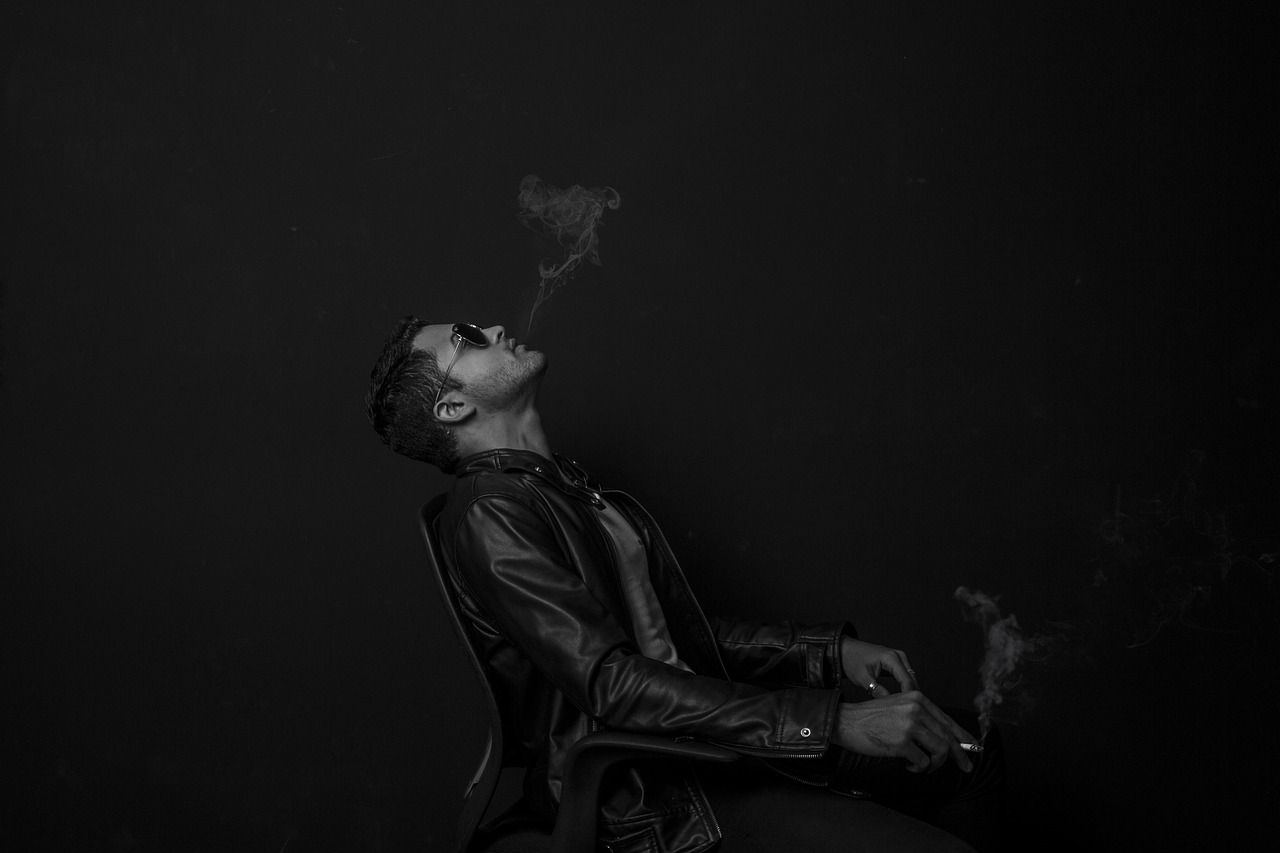
Choose the jacket shape before choosing the outfit
A leather jacket is not one fixed item. The cut decides whether the outfit feels sharp, relaxed, polished, vintage, or streetwear-inspired. Before styling, identify the jacket shape and where the hem ends on your body.
| Leather jacket style | Best styling direction | What to watch |
|---|---|---|
| Biker jacket | Denim, boots, simple tees, slip skirts, straight trousers | Too many zips, studs, and heavy boots can look costume-like |
| Cafe racer | Minimal outfits, fine knits, slim or straight pants, Chelsea boots | Bulky layers can distort the clean line |
| Bomber | Relaxed denim, chinos, hoodies, wide-leg trousers, sneakers | A puffy bomber needs slimmer or straighter bottoms for balance |
| Cropped jacket | High-waisted jeans, midi skirts, dresses, tailored trousers | Low-rise bottoms can make the proportions feel disconnected |
| Leather blazer | Workwear, smart-casual outfits, dresses, shirts, loafers | Overly shiny finishes can feel less versatile |
| Oversized jacket | Column dressing, leggings, straight skirts, narrow boots | Wide top plus wide bottom can overwhelm the frame |
The most reliable fit check is straightforward. The shoulder seam should sit close to your natural shoulder line unless the jacket is intentionally oversized. The sleeves should not swallow the hands. The jacket should close without pulling across the chest, but it should not have so much extra room that it collapses around the waist. A slightly close fit often looks sharper with leather because the material already has body.
Use proportion to make the jacket look intentional
Leather has visual weight, especially in black or dark brown. That makes proportion more important than it would be with a soft cardigan or lightweight overshirt. If the jacket is cropped, pair it with a higher waist so the outfit has a clear line. If the jacket is long or oversized, keep the base layer cleaner so the silhouette does not become bulky.
For cropped leather jackets
A cropped leather jacket works well over high-waisted straight jeans, wide-leg trousers, pencil skirts, slip dresses, and A-line midi skirts. The shorter hem defines the waist, so avoid long untucked tops that hang far below the jacket unless that contrast is intentional. A fitted tank, fine knit, bodysuit, or tucked shirt keeps the look clean.
For oversized leather jackets
An oversized jacket needs a deliberate base. Try a fitted tee with straight jeans, a column of black underneath, a knit dress, or leggings with knee-high boots. The oversized shape should look relaxed, not accidental. If both the jacket and trousers are loose, use a tucked top, belt, pointed shoe, or visible ankle to add structure.
For hip-length jackets
A hip-length biker, bomber, or racer is often the most versatile option because it works with jeans, trousers, skirts, and dresses. Keep the first layer thin enough to sit smoothly under the leather. Fine-gauge knits, button-down shirts, plain tees, and lightweight hoodies are easier to style than thick sweatshirts.
Build outfits by occasion
The same jacket can move from casual to polished when the surrounding pieces change. Adjust texture, footwear, and color instead of expecting the jacket to do all the work.
Everyday casual
For an everyday look, start with a white, black, gray, or striped tee, then add straight-leg jeans and sneakers, loafers, or ankle boots. This formula works because the leather jacket supplies texture while the rest of the outfit stays familiar. Blue denim feels relaxed, black denim feels sharper, and ecru or cream denim softens the jacket.
A hoodie under a leather jacket can work, but only if the jacket has enough room through the shoulders and arms. Bombers and relaxed bikers usually handle hoodies better than slim cafe racers. Keep the hoodie plain and avoid oversized graphics if you want the outfit to stay clean.
Smart casual
For smart-casual dressing, replace the tee with a fine knit, polo, crisp shirt, or simple blouse. Pair the jacket with tailored trousers, dark straight jeans, or a midi skirt. Loafers, Chelsea boots, heeled ankle boots, or minimal leather sneakers are better than athletic running shoes when the goal is polish.
A leather blazer is especially useful here because it reads closer to tailoring. Wear it with a monochrome base, a tucked shirt, or a lightweight turtleneck. If the jacket is black, charcoal, navy, ivory, and camel create an easy palette. If the jacket is brown, try cream, denim blue, olive, gray, or washed black.
Evening looks
For evening, use contrast. A biker jacket over a satin slip dress works because smooth fabric softens the jacket’s edge. A cropped leather jacket over a fitted knit dress adds structure without needing many accessories. For trousers, choose a sharper shoe and a cleaner top: pointed boots, heeled sandals, loafers, or sleek flats.
Keep accessories focused. Leather already draws attention, so one strong element is usually enough: a metallic earring, narrow belt, textured bag, red lip, or polished shoe. Too many heavy accessories can make the outfit feel overloaded.
Work-friendly styling
Whether a leather jacket is suitable for work depends on the dress code. In creative or business-casual settings, a clean leather blazer, minimal racer, or refined bomber can work over trousers, a fine knit, or a midi skirt. In formal offices, leather may still read too casual, so it is better reserved for the commute or after-work plans.
Style black, brown, and colored leather differently
Color changes the mood of a leather jacket. Black is graphic, sharp, and easy to dress up. Brown feels warmer and often more casual. Burgundy, olive, navy, cream, and gray can look distinctive, but they need more careful color choices. See also: Fashion Trends.
- Black leather: Pair with white, gray, black, denim blue, silver, burgundy, or cream. For a softer look, add light denim or a pale knit.
- Brown leather: Pair with cream, tan, ivory, olive, faded denim, navy, charcoal, or rust. Brown looks especially good with suede, wool, and textured knits.
- Burgundy leather: Treat it like a rich neutral. Wear it with black, navy, gray, camel, cream, or dark denim.
- Cream or white leather: Keep the palette refined with beige, gray, soft blue, black, or tonal neutrals. Avoid muddy layers that make the jacket look dull.
- Metallic or high-shine leather: Let the jacket be the focus. Keep the rest of the outfit matte and minimal.
If you are unsure, use the two-color rule: let the jacket be one color and repeat one supporting color elsewhere. For example, a brown jacket, cream knit, cream sneakers, and blue denim look cohesive because the cream appears twice.
Layer by season without adding bulk
Leather jackets are easiest to wear in transitional weather, but they can be styled across more months if you manage layers carefully. The aim is warmth without lumpiness.
Spring
Use lighter fabrics: cotton tees, poplin shirts, fine knits, slip skirts, relaxed denim, loafers, and sneakers. A cropped or racer jacket works well because it gives structure without feeling too heavy. Lighter brown, taupe, cream, and gray leather can feel especially fresh in spring.
Autumn
Autumn is a strong season for leather because textured layers feel natural. Try a turtleneck, wool trousers, straight jeans, suede boots, plaid shirt, or midi skirt. If your outfit uses several textures, keep the colors simple so the look remains intentional.
Winter
A leather jacket can work in winter, but it is not always a substitute for a warm coat. Choose a relaxed cut if you want to layer a knit underneath. Add a scarf, thermal base layer, gloves, or heavier trousers instead of forcing a thick sweater under a slim jacket. Shearling-lined or quilted styles are better for colder days than lightweight leather.
Warmer weather
In warm weather, wear the jacket as an evening layer. Pair it with a tank, linen trousers, slip dress, cotton skirt, or lightweight denim. If the jacket feels too heavy, carry it rather than wearing it indoors. Leather looks best when it appears effortless, not uncomfortable.
Avoid the styling mistakes that make leather harder to wear
Most leather jacket mistakes come from imbalance. The jacket is already a strong piece, so the rest of the outfit needs intention.
- Too many rugged pieces: A biker jacket, ripped jeans, studded belt, heavy boots, and graphic tee can look forced. Choose one or two rugged elements, then simplify.
- Bulky layers under slim leather: If the sleeves wrinkle, shoulders lift, or zipper pulls, the underlayer is too thick.
- Ignoring hem length: A cropped jacket needs a different base than a long bomber. Match the jacket hem to the waistline or silhouette of the outfit.
- Mixing too many finishes: Shiny leather, patent shoes, metallic bags, and glossy accessories can compete. Mix matte and polished textures carefully.
- Wrong shoes for the message: Chunky boots make the outfit tougher, loafers make it smarter, sneakers make it casual, and heels make it sharper.
- Poor maintenance: Cracked, stained, or misshapen leather can make even a good outfit look neglected.
Care also affects styling. Let wet leather air-dry naturally away from direct heat, and avoid spraying fragrance or hair products directly onto the jacket. Use a proper hanger so the shoulders keep their shape. If the label specifies professional leather cleaning, follow it rather than treating the jacket like a washable fabric garment.
Frequently asked questions
Can you wear a leather jacket with jeans?
Yes. Jeans are one of the easiest pairings for a leather jacket. Straight-leg, slim-straight, relaxed, and wide-leg denim can all work. The cleaner the jacket, the easier it is to dress the jeans up with boots or loafers.
How do you style a leather jacket for women?
Start with the silhouette. A cropped jacket works well with high-waisted jeans, tailored trousers, dresses, and midi skirts. An oversized jacket looks best over a fitted or column-like base. For a softer contrast, pair leather with satin, knitwear, cotton poplin, or a fluid skirt.
How do you style a leather jacket for men?
A simple formula is a plain tee or fine knit, straight jeans or chinos, and boots, loafers, or clean sneakers. A cafe racer looks sharp with minimal layers, while a bomber works better with relaxed casual pieces. For smart casual, try dark trousers and a lightweight knit.
What should you not wear with a leather jacket?
Avoid combinations that feel overloaded: too many zippers, oversized layers under a tight jacket, clashing leather finishes, or accessories that all compete with the jacket. These rules are flexible, but simplifying usually makes leather look more modern.
Can a leather jacket be part of a smart outfit?
Yes, if the jacket has a clean shape and is paired with polished pieces. A leather blazer, minimal racer, or neat bomber can work with tailored trousers, a fine knit, a midi skirt, or a simple dress. The smoother the outfit around it, the smarter the jacket will feel.
The practical takeaway
A leather jacket is easiest to style when you begin with fit, proportion, and purpose. Build the outfit around the jacket’s shape: cropped styles need waist definition, oversized styles need a clean base, bombers need balance, and minimal racers work best with simple layers. From there, control the mood with color and footwear. Black leather sharpens, brown leather warms, sneakers relax, loafers polish, and boots add weight. When the jacket, base layer, bottom, and shoes all point in the same direction, a leather jacket feels effortless rather than overstyled.