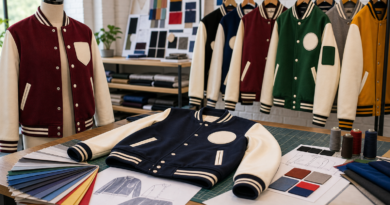

How to find your style without rebuilding your wardrobe
Start with evidence, not a fantasy wardrobe
If you are wondering how to find your style, start with the clothes that already work in your real life. Personal style is not a fixed aesthetic copied from a mood board. It is the pattern that sits between your taste, lifestyle, body, budget, and comfort. The most reliable way to find it is to study what you wear most, understand why those pieces work, and build simple outfit formulas from those clues.
That matters because fashion content often begins with what to buy, while everyday style begins with what you actually do. A wardrobe for commuting, office days, errands, travel, school drop-offs, dinners, and weekends needs different answers from a wardrobe designed mainly for photos. Before you shop, give yourself one week to collect evidence: what you reach for, what stays untouched, what makes you feel like yourself, and what creates friction.

For more practical fashion frameworks, browse the Style Guides section.
Run a seven-day personal style audit
A style audit is a simple observation exercise. For seven days, take a quick mirror photo of every outfit you wear, including the ordinary ones. Do not dress up for the exercise. The point is to capture your real style habits, not an idealized version of them.
At the end of the week, review the photos and write down what you notice. Look for repeated colors, shapes, shoes, layers, fabrics, and proportions. Also note the emotional clues: which outfits made you feel sharp, comfortable, creative, polished, relaxed, or unlike yourself?
| Style clue | What it may reveal | What to do next |
|---|---|---|
| You repeat the same jeans, trousers, or skirt shape | You may already know your best base silhouette | Use that shape as a foundation before experimenting elsewhere |
| You avoid certain tops even when they fit | The neckline, fabric, color, or styling may not match your comfort level | Identify the exact reason before buying similar pieces again |
| You keep choosing the same two colors | Your wardrobe may need a tighter palette | Build around those colors and add accents slowly |
| You like outfits more with a third piece | Layering may be part of your style identity | Prioritize jackets, cardigans, vests, overshirts, or scarves |
| You change shoes before leaving the house | Your style goal and daily comfort may be misaligned | Find footwear that supports both the look and the schedule |
This audit gives you something more useful than trend prediction: proof. A closet full of clothes can still feel confusing when you judge pieces one by one. Seeing full outfits helps you understand how your wardrobe works as a system.
Separate taste from lifestyle needs
Many people feel stuck because their taste and their lifestyle are not the same. You may love dramatic tailoring, delicate fabrics, or high-contrast styling, while your daily routine requires walking, carrying a laptop, moving between temperatures, or washing clothes frequently. That does not mean your taste is wrong. It means your wardrobe needs translation.
Make two lists. The first is your style attraction list: the outfits, people, films, eras, colors, or silhouettes you are drawn to. The second is your real-life requirement list: dress codes, climate, laundry habits, mobility needs, budget, and how often you need to get dressed for each setting.
The overlap between those lists is where personal style becomes wearable. If you love minimalist tailoring but work in a casual environment, your version may be straight-leg jeans, loafers, a crisp tee, and a relaxed blazer. If you love romantic dressing but need practicality, your version may be soft blouses, textured knits, midi skirts, and walkable boots instead of fragile occasionwear.
When an inspiration image feels unrealistic, ask: what is the idea behind this outfit? The answer may be contrast, polish, ease, texture, color, proportion, or attitude. Once you identify the idea, you can recreate it with clothes that fit your life.
Choose three style words and make them specific
Style words can help you filter decisions, but only when they are specific. Words like chic, cool, classic, effortless, and edgy are too broad on their own. Pair them with concrete details.
Instead of saying your style is “classic,” try “classic with relaxed shapes and modern shoes.” Instead of “feminine,” try “feminine through soft textures, warm colors, and defined waists.” Instead of “minimal,” try “minimal with strong accessories and clean black, white, navy, and denim.”
A useful formula is:
- One mood word, such as relaxed, polished, playful, romantic, bold, refined, sporty, or artistic.
- One structure word, such as tailored, fluid, oversized, fitted, layered, simple, sharp, or soft.
- One detail word, such as denim, leather, texture, color, gold jewelry, sneakers, boots, prints, or monochrome.
Examples include “relaxed, tailored, denim,” “polished, soft, gold jewelry,” and “playful, simple, color.” These combinations are not labels to trap you. They are editing tools. When you shop or get dressed, ask whether a piece supports at least two of your three words.
Build outfit formulas before buying more clothes
An outfit formula is a repeatable combination that makes getting dressed easier. It is not a uniform unless you want it to be. It is a structure you can vary with color, fabric, accessories, and seasonal layers.
Common formulas include:
- Straight-leg jeans, fitted knit, belt, loafers, and a structured coat.
- Wide-leg trousers, simple tee, oversized shirt, sneakers, and small jewelry.
- Midi skirt, soft sweater, tall boots, and a cropped jacket.
- Relaxed suit trousers, tank top, blazer, and clean leather sandals.
- Black denim, white shirt, ankle boots, and a statement bag.
To create your own, choose three outfits from your seven-day audit that felt most like you. Break each one into parts: base, top, layer, shoe, accessory, and proportion. Then write the formula without naming the exact item. For example, “dark straight jeans + soft neutral top + structured layer + low-profile shoe” is more useful than “my black jeans and beige sweater.”
The benefit is flexibility. If your formula is “wide-leg trousers + slim top + short jacket,” you can wear it in linen for summer, wool for winter, black for evening, or denim for casual days. This is how personal style becomes recognizable without becoming repetitive.
Use color, fit, and texture as style signals
Personal style is not only about categories such as classic, streetwear, preppy, minimal, or bohemian. Often, the strongest style signals come from smaller choices: the shade you repeat, the fit you prefer, the texture that makes an outfit feel finished, or the contrast between polished and casual pieces.
Color
Start with a practical palette of three to five core colors. These are the colors you can wear often and combine easily. Neutrals can count, but your palette does not have to be beige, black, or white. Navy, olive, chocolate, cream, burgundy, gray, denim blue, camel, and soft pink can all function as wardrobe anchors if you wear them consistently. See also: Fashion Trends.
Then choose one or two accent colors. Accent colors work well for knits, bags, shoes, scarves, socks, lipstick, or statement pieces. Keeping accents intentional helps prevent your wardrobe from becoming a collection of unrelated purchases.
Fit and proportion
Fit is personal. Some people feel best in clean, close-fitting lines; others feel more themselves in oversized layers. The key is to understand proportion rather than chase a universal rule. If you wear a voluminous trouser, you may prefer a neater top. If you wear an oversized jacket, you may like a sharper shoe. If you wear a fitted dress, you may want a relaxed coat over it.
Take note of where you like visual emphasis: shoulders, waist, legs, neckline, shoes, or accessories. That emphasis often becomes part of your style signature.
Texture
Texture makes simple outfits feel considered. Denim, wool, ribbed cotton, leather, suede, silk, linen, bouclé, poplin, and knitwear all communicate differently. If your outfits feel flat, you may not need more color; you may need more texture contrast. A white shirt with rigid denim, a knit with leather, or a satin skirt with a chunky sweater can feel more styled than a complicated outfit with too many competing elements.
Shop with rules that protect your style
Once you understand your patterns, shopping becomes more selective. This is important because trend cycles move faster than most wardrobes can absorb. Industry reports from groups such as McKinsey and the Business of Fashion have repeatedly noted that value, quality, resale, and clearer brand meaning have become more important to many fashion consumers. For an individual wardrobe, the lesson is straightforward: buying more does not automatically create better style.
Before you buy, use a five-question filter:
- Can I style this with at least three pieces I already own?
- Does it fit my three style words?
- Does it suit my real weekly life, not just an imagined event?
- Would I still like it without the styling in the product photo?
- Is the care, comfort, and quality realistic for how I live?
This filter also reduces waste. The U.S. Environmental Protection Agency’s most recent national textiles facts-and-figures dataset uses 2018 data and identifies discarded clothing as a major source of textile waste in municipal solid waste. The Ellen MacArthur Foundation has also reported that clothing production has increased while the average number of times garments are worn has fallen over time. You do not need a sustainability label to make a better wardrobe decision; wearing what you buy more often is already a meaningful starting point.
A useful rule is to pause before buying anything that requires an entirely new supporting cast. A piece can be exciting and still be wrong for your closet if it needs new shoes, new outerwear, new undergarments, and a new lifestyle to function.
Refine your style through repetition
Personal style becomes clear through repetition, not perfection. If you repeat a color, a shoe shape, a jewelry metal, a denim cut, a jacket length, or a certain balance of casual and polished pieces, people begin to recognize your style. More importantly, you begin to recognize it yourself.
Try a 30-day refinement plan:
- Week one: Photograph your outfits and identify what you actually wear.
- Week two: Choose three style words and set aside pieces that clearly conflict with them.
- Week three: Build five outfit formulas for your most common occasions.
- Week four: Fill only one real wardrobe gap, or decide not to shop at all.
Editing does not always mean donating immediately. Create a holding zone for pieces you are unsure about. If you do not reach for them after a season, you will have clearer evidence. If you miss them, bring them back and study why they matter.
The goal is not to lock yourself into one aesthetic forever. Your style can change when your work, body, climate, taste, or priorities change. A good personal style system makes those changes easier because you know what you are adjusting: color, fit, lifestyle needs, budget, or self-expression.
Frequently asked questions
How long does it take to find your personal style?
You can identify useful patterns in one week, but developing personal style usually takes longer. A practical timeline is 30 days to audit and test formulas, then a full season to see whether your choices work across weather, routines, and occasions.
Do I need a capsule wardrobe to find my style?
No. A capsule wardrobe can help if you like simplicity, but it is not required. Some people have a clear personal style with a larger wardrobe, bold colors, or many accessories. The more important goal is coherence: pieces should connect through color, fit, lifestyle, or mood.
What if I like too many aesthetics?
Look for the common thread. You may like minimal outfits, vintage pieces, and sporty shoes because they all feel relaxed. Or you may like tailoring, leather, and monochrome because they feel sharp. The shared feeling matters more than the aesthetic label.
Should I follow trends while developing my style?
Yes, but selectively. Trends can refresh your wardrobe, but they should pass through your personal filter. If a trend matches your colors, proportions, lifestyle, and outfit formulas, it may be worth trying. If it only looks appealing because it is everywhere, wait.
What is the biggest mistake people make when trying to find their style?
The biggest mistake is shopping before observing. Without a clear understanding of what you wear and why, new purchases often repeat the same problems. Start with evidence, build formulas, then buy only when a piece solves a real wardrobe gap.