
How to style white pants for polished outfits in every season
Start with the right white pants for the outfit you want
Learning how to style white pants starts with the pants themselves, not with the top or shoes. Fabric weight, opacity, cut, rise, and hem length all affect whether the outfit looks balanced. In most wardrobes, white pants are easiest to wear when they are treated as a neutral base rather than a statement piece. They can work with soft knits, crisp shirting, tailoring, denim, leather, linen, or tonal layers, depending on the season and occasion.
The main point is to make the choice look intentional. Choose underwear that disappears under the fabric, match the silhouette to the mood of the outfit, and use contrast with a clear purpose. White pants can feel casual with flat sandals and a striped tee, polished with a blazer and loafers, or elegant with a silk blouse and heeled sandals. The details below explain what makes those combinations work.
Choose fabric, opacity, and fit before styling
White fabric reflects light and can reveal pockets, seams, and tight areas more easily than darker colors. That makes fit and material especially important. Thin, clingy white pants can look less refined even when the rest of the outfit is well styled. A slightly structured fabric often gives a cleaner line because it skims the body instead of clinging to it.
Fabric choices that change the mood
- Cotton twill or denim: Good for casual and smart-casual outfits. White jeans, straight-leg pants, and utility styles work well with tees, shirts, sweaters, and jackets.
- Linen and linen blends: Ideal for warm weather and relaxed dressing. They crease naturally, so the outfit should feel breezy rather than overly formal.
- Crepe, wool blends, or suiting fabric: Better for office, dinner, and polished daytime outfits. These fabrics usually drape more smoothly.
- Satin or fluid fabric: Suitable for evening looks, especially with minimal tops, sleek sandals, and restrained accessories.
Fit details that make white pants easier
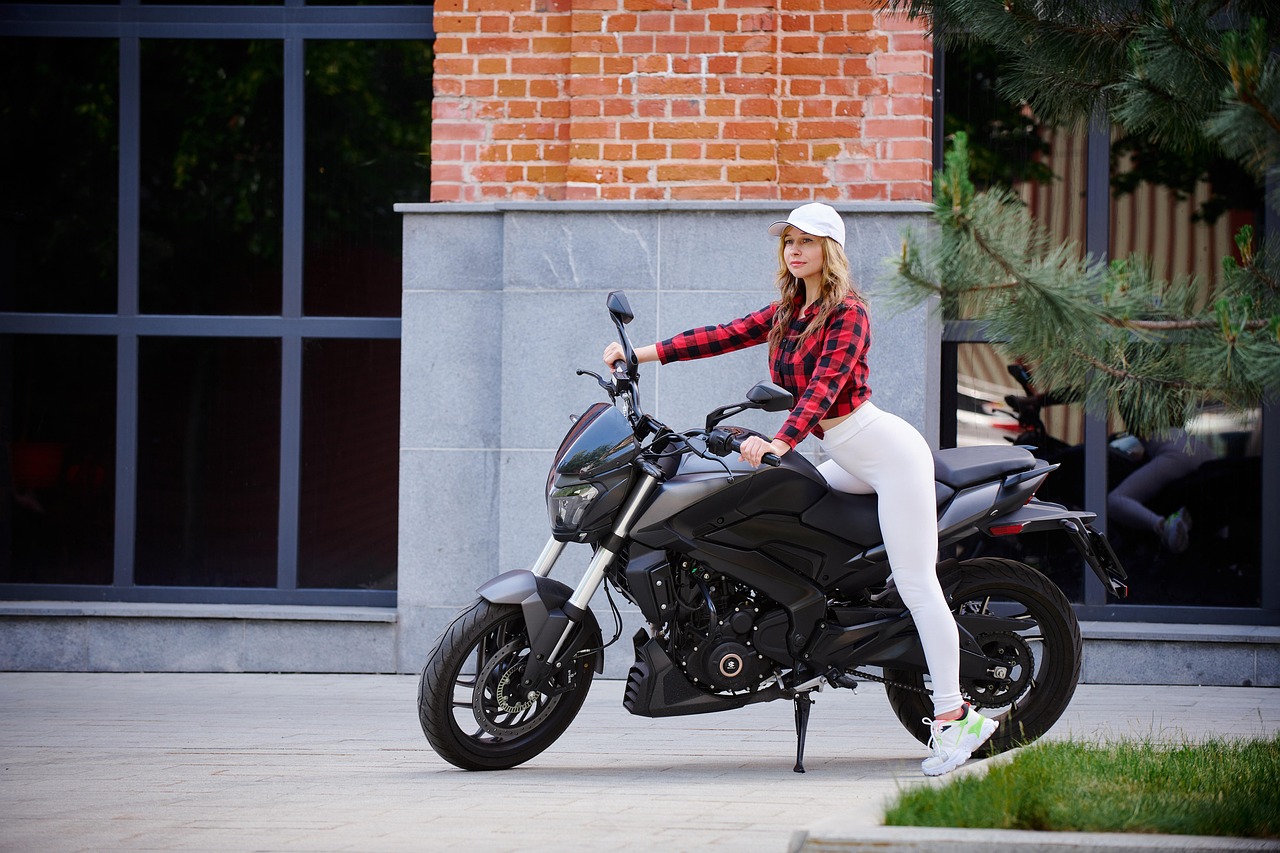
Straight-leg, wide-leg, and relaxed tapered shapes are usually the most versatile because they create a little space between the body and the fabric. A high or mid rise can lengthen the leg line, especially when the top is tucked, half-tucked, or cropped to meet the waistband. If the pants are white and fitted, balance them with a slightly looser top or a structured outer layer so the full outfit does not feel tight from top to bottom.
Use color combinations that look intentional
White pants are neutral, but the surrounding palette determines whether the outfit feels crisp, soft, classic, or bold. When in doubt, build the look around two or three colors instead of mixing several competing tones.
Low-contrast palettes for an elevated look
White with cream, ivory, oatmeal, camel, taupe, beige, light gray, or pale blue creates a quiet, refined effect without relying on flashy pieces. Texture is important here. If the colors are close, vary the surface: try white trousers with a ribbed knit, a linen shirt, suede loafers, or a woven belt. Similar tones need texture so the outfit does not look flat.
High-contrast palettes for a sharper look
Black, navy, chocolate brown, charcoal, olive, and deep burgundy give white pants more definition. A black tank with white wide-leg trousers feels modern; a navy blazer with white jeans feels classic; a brown belt and brown sandals make white feel warmer. High contrast works especially well when one dark element appears above the waist and another appears in the shoes, belt, or bag.
Color accents that are easy to wear
If you want color without making the outfit loud, use one accent rather than several. Soft red flats, a blue striped shirt, a green cardigan, or a butter-yellow sweater can all work with white pants. Keep accessories quieter when the top is colorful, or repeat the accent once in a small detail to make the outfit feel cohesive.
Outfit formulas for common occasions
The most useful white pants outfits are repeatable. Instead of focusing on one-off looks, build formulas that can be adjusted with fabric, shoes, and accessories.
| Occasion | White pants style | Top layer | Shoes | Why it works |
|---|---|---|---|---|
| Weekend errands | White straight-leg jeans | Striped tee or cotton shirt | Clean sneakers or flat sandals | Casual pieces keep the white from feeling too precious. |
| Office or meetings | White tailored trousers | Fine knit, blouse, or button-down with blazer | Loafers, slingbacks, or low heels | Structured fabric and covered shoes create polish. |
| Vacation dinner | White linen wide-leg pants | Relaxed tank, wrap top, or short-sleeve shirt | Leather sandals or espadrilles | Breathable fabric suits warm settings without looking underdressed. |
| Date night | White fluid trousers | Silk camisole, fitted knit, or off-shoulder top | Heeled sandals or pointed flats | Softer fabric and refined footwear make the look evening-appropriate. |
| Transitional weather | White jeans or ecru trousers | Light sweater, trench, denim jacket, or leather jacket | Loafers, ankle boots, or ballet flats | Layering adds weight so white does not feel limited to summer. |
For more outfit planning ideas across silhouettes and occasions, browse the Style Guides section.
How to style white pants by season
Spring
Spring is a natural season for white pants because lighter layers feel fresh after colder months. Try white jeans with a pale blue shirt, beige trench, and loafers. For a softer look, pair white trousers with a lightweight knit in sage, lavender, cream, or gray. If the weather is unpredictable, choose closed-toe shoes and a jacket so the outfit feels seasonally grounded.
Summer
Summer styling should focus on breathability and ease. White linen pants with a tank top, open shirt, flat sandals, and a woven bag are a reliable warm-weather formula. If linen feels too casual, choose a smoother wide-leg trouser and pair it with a sleeveless knit or crisp poplin shirt. Keep the waistband clean with a slim belt or a neat tuck to avoid excess bulk.
Fall
White pants can work in fall when the surrounding pieces have more depth. Swap bright summer colors for camel, olive, chocolate, denim blue, charcoal, and burgundy. White jeans with a brown leather belt, suede loafers, and a chunky knit feel seasonal without looking heavy. Ecru or off-white pants can be especially useful in fall because the warmer shade pairs naturally with earth tones.
Winter
Winter white pants look strongest when the fabrics feel substantial. Think white wool-blend trousers, cream jeans, or thick cotton pants with a turtleneck, long coat, and boots. A monochrome cream outfit can look refined if the tones are close but not identical. Add structure through a coat, belt, or tailored shoulder so the look feels deliberate rather than pajama-like. See also: Fashion Trends.
Pick shoes and accessories that support the silhouette
Shoes can make white pants feel casual, elegant, or awkward. The right choice depends on the hem. Cropped straight-leg pants work with ballet flats, loafers, sandals, and sneakers because the ankle break is visible. Full-length wide-leg pants usually look best when the hem nearly skims the shoe without dragging. If the pants are long, a slight heel or platform can help the fabric fall cleanly.
Best shoe pairings by pant shape
- Straight-leg white jeans: Sneakers, loafers, ballet flats, ankle boots, and simple sandals.
- Wide-leg trousers: Pointed flats, low heels, heeled sandals, platforms, or sleek sneakers with enough sole height.
- Cropped white pants: Minimal sandals, mules, slingbacks, loafers, and clean trainers.
- Fitted white pants: Longer tops, oversized shirts, blazers, knee-high boots, or streamlined flats to balance the close fit.
Accessories should clarify the outfit rather than compete with the pants. A tan belt warms up white denim. A black belt sharpens tailored trousers. Gold jewelry softens cream and beige palettes, while silver works well with gray, black, navy, and cooler whites. Bags do not need to match the shoes exactly, but they should belong to the same mood: casual canvas with weekend looks, leather with polished outfits, and woven textures with summer outfits.
Common mistakes to avoid when wearing white pants
White pants are not difficult to style, but they are less forgiving than dark pants. A few small checks can make the difference between an outfit that feels confident and one that feels uncomfortable.
- Ignoring underwear color: Choose seamless underwear close to your skin tone rather than bright white, which can show under many white fabrics.
- Choosing fabric that is too thin: Hold the pants up to light and check them in natural light if possible. Pockets, seams, and lining should not distract from the outfit.
- Letting hems drag: White hems show dirt quickly. Tailor long trousers or wear them with the shoe height you intended.
- Overloading the outfit with pale pieces: All-light outfits can be beautiful, but they need texture, structure, or tonal variation.
- Treating white as only casual: White pants can be polished when the fabric is structured and the styling is clean.
- Forgetting proportion: Wide pants often look better with a defined waist or shorter top, while slim pants usually benefit from a looser top layer.
A simple styling checklist
Use this quick process when building an outfit with white pants:
- Decide the occasion. Casual, office, travel, dinner, or weekend plans will guide fabric and shoes.
- Check opacity and fit. Make sure the pants skim comfortably and do not reveal more than intended.
- Choose a palette. Go tonal for softness, dark contrast for sharpness, or one accent color for interest.
- Balance the silhouette. Define the waist with wide pants, or add volume on top with fitted pants.
- Match the shoe to the hem. The pants should break cleanly and avoid bunching or dragging.
- Finish with one or two accessories. A belt, watch, jewelry, scarf, or bag should reinforce the outfit’s mood.
If you are building a capsule wardrobe, one pair of white straight-leg jeans and one pair of white or cream tailored trousers can cover many outfits. The jeans handle casual days, while the trousers work for dressier styling. Add a linen pair only if warm-weather dressing is a major part of your wardrobe.
Frequently asked questions
Can you wear white pants after summer?
Yes. White pants can work beyond summer when the fabrics and layers feel seasonally appropriate. In fall and winter, choose heavier cotton, denim, wool blends, or cream-toned trousers, then pair them with sweaters, coats, loafers, or boots.
What tops go best with white pants?
The most reliable tops are button-down shirts, striped tees, fitted knits, relaxed tanks, silk blouses, blazers, and lightweight sweaters. The best choice depends on the pant shape: wide-leg styles usually look strong with a defined waist, while slim styles often look better with a looser shirt or jacket.
What color shoes should you wear with white pants?
Tan, brown, black, white, metallic, navy, and soft neutrals all work. Tan and brown feel warm and casual, black adds contrast, white elongates the leg line, and metallic shoes can dress up a simple outfit without adding another strong color.
Are white pants flattering?
They can be flattering when the fit and fabric are right. Look for opaque material, a rise that feels comfortable, and a cut that skims rather than pulls. Proportion matters more than size: a clean hem, balanced top, and intentional shoes make white pants easier to wear.
How do you make white pants look less see-through?
Choose thicker fabric, avoid overly tight fits, and wear seamless underwear close to your skin tone. Pocket lining can also show through thin white pants, so check the front and back in bright light before wearing them out.