

What Does 70s Fashion Reveal About Cultural Shifts in Bold Design
79 Photos That Prove ’70s Fashion Was Bold, Weird, and Absolutely Unforgettable
The 1970s marked a decade when fashion abandoned restraint and embraced audacity. From shimmering disco ensembles to bohemian layers and gender-fluid tailoring, the era transformed clothing into a language of rebellion and identity. Designers redefined beauty through experimentation, while social movements turned the runway into a reflection of liberation. Every texture, print, and silhouette told a story of defiance and optimism. The legacy of 70s fashion remains visible today—its eccentricity continues to inspire modern collections that celebrate individuality over conformity.
The Aesthetic Foundations of 1970s Fashion
The visual vocabulary of the 1970s emerged from a collision between cultural upheaval and artistic freedom. This was not just about clothing; it was about expressing new ways of living and being seen.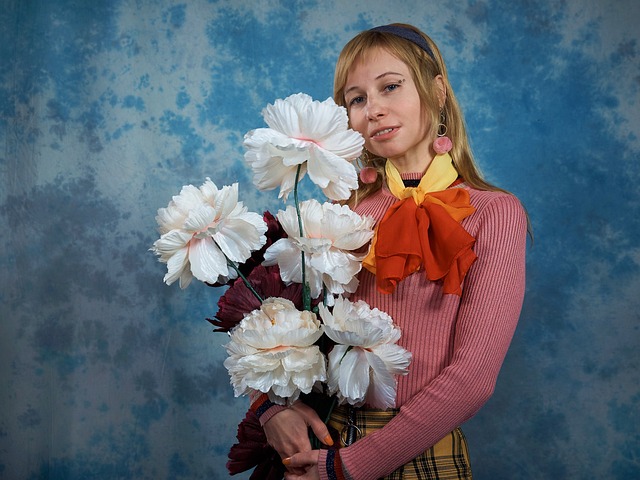
The Transition from 1960s Minimalism to 1970s Maximalism
As the clean lines of the 1960s faded, designers leaned into expressive maximalism. The shift from mod simplicity to eclectic layering reflected broader social liberation movements that encouraged self-expression through dress. Texture became a playground—velvet met denim, sequins met suede—and silhouettes expanded beyond traditional forms. The decade’s aesthetic excess mirrored its political turbulence: protests, counterculture, and radical optimism coexisted in every hemline.
Key Design Elements Defining the Decade
Bold prints dominated wardrobes—psychedelic swirls, paisley explosions, and metallic fabrics that caught nightclub lights. Exaggerated collars and flared trousers became visual shorthand for confidence. Synthetic materials like polyester symbolized technological progress while natural fibers grounded designs in craft tradition. Gender-fluid tailoring blurred old boundaries; women wore suits with assertive shoulders while men experimented with soft fabrics and color palettes once reserved for womenswear.
Cultural Context Behind the Boldness of 1970s Design
Behind every sequin or fringe lay deeper cultural motivations. Fashion became both mirror and megaphone for social change.
Social Movements as Catalysts for Fashion Innovation
Feminist activism redefined what empowerment looked like in fabric form—women’s trousers entered boardrooms as symbols of equality. Civil rights movements infused African-inspired prints into mainstream fashion, celebrating heritage on global stages. LGBTQ+ communities found visibility through flamboyant self-presentation in clubs and performance art. Youth culture rejected uniformity; individuality became the only rule worth following.
Economic and Political Influences on Style Choices
Economic instability made fashion oscillate between practicality and escapism. While some turned to glamour as relief from uncertainty, others embraced adaptable pieces suited to changing realities. Globalization introduced an influx of textiles—from Indian cottons to Japanese silks—that diversified Western wardrobes. Political unrest also spurred rebellious dressing: ripped jeans, slogan tees, and DIY aesthetics emerged as wearable protest tools.
Iconic Trends That Defined the Era’s Visual Language
The decade’s trends were more than fleeting—they crystallized entire lifestyles that shaped collective memory.
The Rise of Disco Glamour and Urban Nightlife Aesthetics
Disco culture transformed nightlife into theater. Sequins, lamé jumpsuits, and towering platform shoes embodied liberation through spectacle. Clubs like Studio 54 became laboratories for self-invention where gender rules dissolved under strobe lights. Designers such as Halston distilled this energy into sleek silhouettes that balanced sensual minimalism with high-gloss glamour—a paradox that defined late-70s sophistication.
Bohemian Revival and the Return to Craftsmanship
Parallel to disco’s shine was a quieter movement rooted in handmade authenticity. The bohemian revival celebrated embroidery, crochet tops, ethnic prints, and natural dyes—symbols of resistance against industrial mass production. Fringe jackets nodded to Native American influences while peasant blouses borrowed from Eastern European folk traditions. This aesthetic merged nostalgia with political awareness about sustainability long before it became mainstream rhetoric.
Gender Expression Through 1970s Fashion Forms
Few decades challenged gender binaries as boldly as the 1970s did through clothing design.
Androgyny as a Cultural Statement in Design Practice
Designers like Yves Saint Laurent reimagined power dressing by introducing tuxedos for women—garments that blurred lines between masculine authority and feminine allure. Vivienne Westwood’s punk-infused creations dismantled conventions altogether with asymmetry and provocation at their core. Men adopted flamboyant palettes—purple velvet suits or silk shirts unbuttoned to reveal gold chains—signaling confidence rather than deviation.
Subcultural Styles Redefining Masculinity and Femininity
Glam rock artists such as David Bowie turned stage costumes into philosophical statements about identity fluidity. Punk subcultures took scissors to tradition—ripping fabrics became both aesthetic choice and political act against beauty norms. Meanwhile, streetwear emerging from working-class youth fused comfort with attitude: denim jackets customized with patches or studs carried personal narratives stitched into every seam.
Media Influence and the Globalization of Style Ideals
Without mass media amplification, many trends might have remained underground phenomena; instead they went global within months.
The Role of Film, Television, and Music Icons in Shaping Perception
Cinema projected aspirational imagery that normalized experimental fashion—from sci-fi futurism to romantic bohemia on screen heroes. Musicians acted as intermediaries translating avant-garde runway ideas into accessible pop culture moments seen by millions on television shows or album covers. Repetition across media accelerated trend cycles before digital platforms existed.
International Exchange in Textiles and Aesthetics
Cross-cultural exchange enriched Western design vocabularies: Japanese kimono sleeves influenced eveningwear while Indian block prints appeared on everyday dresses sold in London boutiques. Advances in textile technology enabled hybrid materials combining durability with shimmer—a hallmark of late-decade style innovation. As these motifs traveled globally, local identities adapted them creatively rather than losing authenticity.
Legacy of 1970s Fashion in Contemporary Design Discourse
Today’s runways still echo the fearless experimentation born in that era; nostalgia has become both muse and critique.
Enduring Influence on Modern Collections
Contemporary designers revisit ’70s motifs not merely for retro appeal but as commentary on cyclical creativity within postmodern aesthetics. Flared pants return paired with minimalist cuts; metallic fabrics reappear rendered through sustainable production methods echoing handmade ethics adapted for modern innovation. Even digital-age interpretations of disco glamour retain its spirit of joyful rebellion.
Academic Interpretations of the Decade’s Visual Culture
Scholars treat ’70s fashion as fertile ground for exploring identity politics within material culture studies. Archival analyses reveal how garments mediated social transformation during times of upheaval—from feminism’s rise to queer visibility—and how spectacle functioned as resistance against conformity pressures. These discussions continue shaping theoretical debates around authenticity versus performance in design history classrooms worldwide.
FAQ
Q1: Why is 70s fashion considered revolutionary?
A: It broke away from rigid norms by merging art, politics, and identity expression through bold experimentation with color, texture, and gender-fluid design.
Q2: How did disco influence mainstream fashion?
A: Disco popularized glamorous materials like sequins and lamé while promoting body-conscious silhouettes that celebrated movement under light-filled dance floors.
Q3: What role did feminism play in shaping 1970s style?
A: Feminism encouraged functional yet stylish attire such as tailored suits for women symbolizing empowerment within professional spaces previously dominated by men.
Q4: Are elements of 70s fashion still relevant today?
A: Yes, modern designers reinterpret flares, metallic fabrics, and boho details within sustainable frameworks reflecting both nostalgia and innovation.
Q5: How did globalization affect fashion during this decade?
A: It expanded access to diverse textiles and motifs allowing cross-cultural fusion that permanently diversified Western fashion aesthetics.