
Is Grunge Fashion Style Defining the New Carelessness of Spring 2026
Grunge Returns: How the ’New Carelessness’ Shapes the Style of Spring 2026
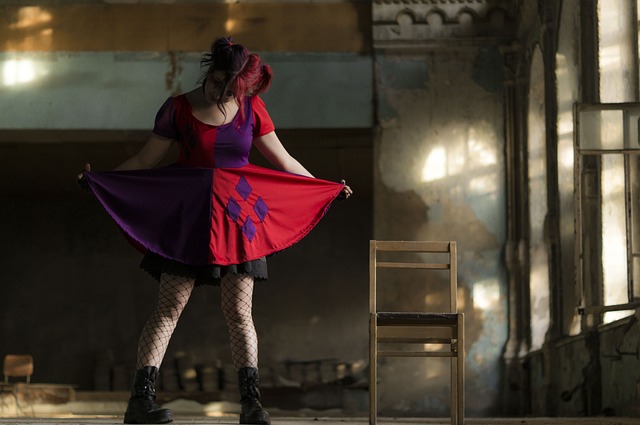
The return of grunge fashion style is less about nostalgia and more about redefinition. Spring 2026 collections reveal a deliberate tension between chaos and control, translating rebellion into refined disarray. Designers are embracing imperfection as both aesthetic and ideology, merging sustainability with raw emotion. The so-called “new carelessness” reflects a cultural pivot — a response to digital fatigue and the desire for authenticity in material form. This shift positions grunge not as a retro revival but as a modern vocabulary of resistance, where undone tailoring and muted tones convey both defiance and renewal.
The Reemergence of Grunge in Contemporary Fashion
Grunge’s resurgence is not accidental; it mirrors broader cycles in cultural memory and fashion’s constant reinterpretation of rebellion.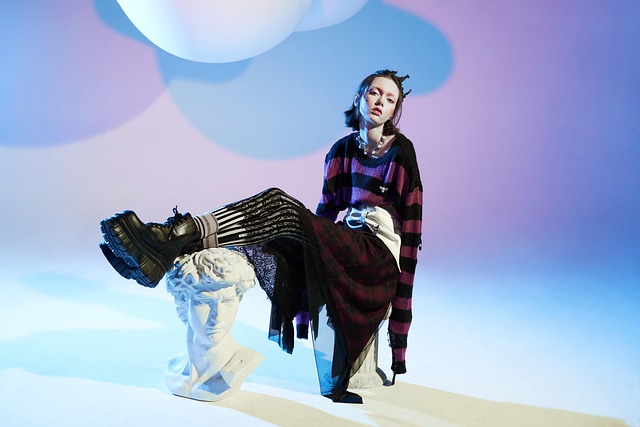
Historical Context of Grunge Aesthetics
Emerging from the late 1980s Pacific Northwest scene, grunge began as an anti-fashion movement rooted in music subcultures that rejected consumerism. Bands wore thrifted flannel, ripped denim, and combat boots — not for style, but survival. The look captured an anti-establishment sentiment that resonated globally. Its key visual codes — distressed fabrics, layered silhouettes, and muted tones — became shorthand for authenticity. By the early 1990s, these elements infiltrated mainstream fashion houses, paradoxically transforming counterculture into commodity.
The Cyclical Nature of Fashion Revival
Fashion operates on repetition with reinvention. Each revival filters through contemporary context rather than direct replication. In grunge’s case, designers are revisiting its ethos rather than its wardrobe staples. Nostalgia functions as both creative fuel and commercial strategy; it allows consumers to reconnect with emotional eras while feeling current. Today’s reinterpretations translate rebellion into luxury — think raw hems on cashmere or purposefully mismatched layers styled with precision.
The Concept of “New Carelessness” in Spring 2026 Collections
The Spring 2026 season introduces “new carelessness” as an evolution of grunge’s spirit — less angst-driven, more self-aware. It celebrates deliberate disorder as a mark of confidence rather than neglect.
Defining the Aesthetic of Intentional Disarray
Intentional disarray occupies a space between effortlessness and design mastery. Asymmetry dominates tailoring; jackets hang off shoulders yet remain structured enough to suggest control beneath chaos. Textural contrasts — silk against canvas or mesh over wool — create spontaneity that feels curated. This aesthetic rejects perfectionism in favor of lived-in realism, reflecting a cultural appetite for truth over polish.
Material Innovation and Sustainable Irregularity
Sustainability has become integral to this narrative. Designers employ recycled cotton blends, deadstock leather, and untreated linens to emphasize material honesty. Raw finishes are no longer flaws but proof of process. Imperfection becomes symbolic: each frayed edge signals ecological awareness rather than neglect. Through this lens, grunge evolves into an environmental statement — irregularity as responsibility.
The Influence of Grunge on Contemporary Silhouettes and Styling
Modern silhouettes borrow heavily from grunge’s layering logic but reinterpret it through technical construction and proportion play.
Layering as a Tool for Expression
Layering now serves both aesthetic and emotional function. Vintage-inspired tees meet sculptural outerwear; oversized coats drape over translucent knits or lace slips. These combinations create tension between fragility and protection — a visual metaphor for post-pandemic vulnerability masked by resilience.
Color Palettes and Texture Play in Spring 2026
Spring 2026 palettes lean toward washed neutrals: storm greys, faded blacks, rusted browns, industrial blues. Chromatic restraint mirrors collective exhaustion after years of sensory overload. Texture takes precedence over color; designers explore frayed seams, open weaves, mesh overlays, rough knits that invite touch over spectacle.
Cultural Forces Driving the Return to Grunge Fashion Style
Cultural shifts often precede stylistic ones. The revival of grunge fashion style aligns with broader emotional undercurrents shaped by uncertainty and digital saturation.
Post-Pandemic Aesthetics and Emotional Dressing
After prolonged isolation, dressing became intimate again — comfort-driven yet expressive. Disheveled silhouettes signal freedom from rigid dress codes while expressing internal turbulence shared across generations. Rejecting hyper-digital polish reflects fatigue with virtual perfection; tactile imperfection feels human again.
Media, Music, and Subcultural Reinforcement
Digital platforms have resurrected alt aesthetics once confined to underground scenes. Musicians now blend punk minimalism with grunge layering as visual protest against algorithmic sameness dominating pop culture imagery. Streetwear labels collaborate with neo-grunge designers to merge skate culture ease with couture craftsmanship — rebellion meeting refinement in real time.
The Commercialization and Future Trajectory of Grunge Style
As always in fashion history, what begins underground eventually ascends the runway — though not without compromise.
From Underground Ethos to Runway Adaptation
Luxury brands reinterpret grunge through high-end materials: shredded silk skirts paired with tailored blazers or plaid rendered in organza instead of flannel. This translation tests authenticity against marketability; rebellion becomes curated spectacle fit for global retail windows while retaining symbolic grit for those who remember its origins.
Predicting the Evolution Beyond Spring 2026
Looking ahead, grunge may intersect with techwear minimalism or gender-fluid design systems that echo its anti-normative roots. Expect modular garments adaptable across identities rather than fixed categories. As imperfection becomes accepted currency in self-presentation, fashion may finally embrace disorder not as trend but truth — imperfection recast as identity marker rather than flaw.
FAQ
Q1: What defines the new carelessness trend?
A: It emphasizes intentional imperfection through asymmetric cuts, undone tailoring, and textured layering that look spontaneous yet controlled.
Q2: How does sustainability tie into grunge fashion style today?
A: Designers use recycled textiles and raw finishes to merge ecological awareness with aesthetic irregularity without losing edge.
Q3: Why is layering central to modern grunge styling?
A: Layering expresses individuality by mixing proportions and materials to balance protection with vulnerability.
Q4: Are luxury brands diluting the original spirit of grunge?
A: Some reinterpret it through refined materials for commercial appeal but still preserve its emotional core by celebrating imperfection.
Q5: What direction might grunge take after Spring 2026?
A: It could merge with minimalist or techwear influences while expanding gender-fluid possibilities rooted in its anti-conformist heritage.