How Did 90s Fashion Shape Shania Twain’s Iconic Stage Looks
Shania Twain’s Most Stunning Fashion Moments From The ’90s
Shania Twain’s 1990s fashion defined an era where country music met global pop culture. Her wardrobe bridged Nashville authenticity with Hollywood glamour, transforming her into a cross-genre icon. Each look—whether a leopard-print catsuit or a sequined stage ensemble—captured the confidence of a decade obsessed with individuality and spectacle. Twain’s style not only mirrored the energy of 90s fashion but also helped shape its visual vocabulary, influencing generations of performers who followed.
The Cultural Landscape of 1990s Fashion
The 1990s were marked by a restless search for self-expression through clothing. Designers, musicians, and fans alike experimented with contrasts: casual minimalism against bold extravagance, rebellion against refinement. This decade’s aesthetic became a mirror for shifting cultural values and new media influences.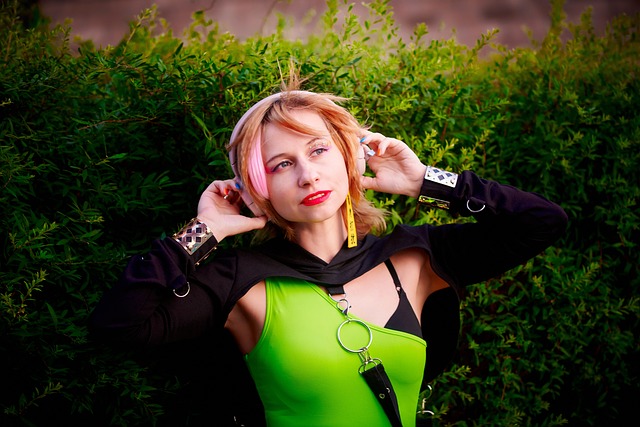
Defining the Aesthetic of the 1990s
The decade’s fashion reflected a blend of minimalism, grunge, and glamour. Designers like Calvin Klein and Versace captured opposite ends of this spectrum—one favoring clean silhouettes, the other embracing opulence. Individuality became the ultimate statement; people mixed thrift finds with luxury pieces to create personal narratives through dress. Pop culture icons amplified these messages in music videos and red-carpet appearances that reached millions via MTV.
The Intersection of Music and Fashion in the 1990s
Music acted as both muse and marketplace for fashion innovation. Artists used clothing as storytelling tools that extended their artistic personas beyond sound into sight. Stage costumes evolved into visual shorthand for identity—Madonna’s corsets or Kurt Cobain’s flannel shirts were instantly recognizable symbols. The rise of MTV turned these images into global exports, proving that style could travel faster than sound.
Shania Twain’s Emergence as a Style Icon
Within this dynamic landscape, Shania Twain redefined what it meant to be a country star. Her approach fused mainstream appeal with artistic control, positioning her wardrobe as both brand strategy and creative expression.
Early Career Image and Its Evolution
Twain’s early image balanced country authenticity with pop accessibility. Her debut visuals leaned on traditional Western motifs—denim, boots, fringe—but gradually evolved toward sleek modernity as her sound expanded internationally. Collaborating closely with stylists and designers, she refined her stage presence into something cinematic yet approachable. Strategic wardrobe choices allowed her to bridge Nashville roots with global pop sensibilities.
The Role of Branding in Shaping Her Visual Identity
Twain’s styling became integral to her brand identity. Consistent use of strong silhouettes, animal prints, and metallic fabrics reinforced an empowered persona across performances and media appearances. These signature looks were more than aesthetic choices—they symbolized confidence and independence central to her musical themes. Her fashion narrative aligned seamlessly with lyrics celebrating autonomy and self-worth.
Key Elements of 90s Fashion Reflected in Twain’s Wardrobe
Twain’s wardrobe distilled key currents from 90s fashion while translating them through her unique lens as a performer straddling genres.
Power Dressing and Feminine Strength
Power dressing in the 1990s evolved from corporate boardrooms to concert stages. Structured silhouettes projected authority without sacrificing sensuality. Twain frequently appeared in leather pants or tailored jackets that communicated control while maintaining movement essential for live performance. Materials like denim or leather echoed broader trends celebrating women’s empowerment through bold yet wearable design.
Glamour, Sequins, and Stage Spectacle
Glamour was never far from Twain’s aesthetic vocabulary. High-shine materials mirrored the decade’s fascination with celebrity spectacle and visual excess. Metallic tones amplified lighting effects during concerts, creating theatrical depth even in vast arenas. Sequined bodysuits or embellished jackets turned each performance into an event—symbols of both confidence and craftsmanship that elevated her shows beyond simple concerts.
Influence of Country-Western Heritage on Contemporary Styling
Despite global fame, Twain retained visible ties to country heritage through subtle design cues: fringe accents, cowboy boots, wide-brimmed hats. Yet these elements were reimagined using modern cuts or luxurious materials like suede or satin rather than traditional roughspun fabrics. This fusion produced an aesthetic that resonated across audiences—rooted yet forward-looking.
Iconic Stage Looks That Defined Her 1990s Persona
Each major performance era introduced distinct visual signatures that became shorthand for Twain’s evolving identity during the late 1990s.
The Leopard Print Ensemble from “That Don’t Impress Me Much” Era
Perhaps no look is more emblematic than the leopard-print outfit associated with “That Don’t Impress Me Much.” It embodied boldness within a pop-country framework—provocative yet playful. Animal print shifted from kitsch to power statement under Twain’s interpretation, symbolizing independence rather than indulgence. That single ensemble cemented her status among fashion icons who understood how image could amplify message.
The Midriff-Baring Outfits from Her Global Tours
During world tours in the late 1990s, Twain embraced athletic femininity through cropped tops paired with high-waisted pants or skirts. These designs celebrated body confidence while allowing freedom for choreography-heavy performances. They reflected broader cultural fascination with fitness aesthetics but maintained balance between sensuality and professionalism—a hallmark of her brand integrity on stage.
Red Carpet Appearances as Extensions of Stage Identity
Twain treated public appearances as continuations of her artistic narrative rather than departures from it. Red carpet gowns often echoed themes present in tour wardrobes: metallic sheen, structured lines, confident posture. Designers collaborated closely to maintain cohesion across contexts so that whether performing live or attending award shows, she projected consistent visual storytelling rooted in empowerment.
The Lasting Influence of Shania Twain’s 1990s Fashion Legacy
Twain’s influence persists not merely through nostalgia but as an enduring case study in how image strategy can transcend genre boundaries while remaining authentic.
Impact on Future Generations of Performers
Her fusion approach set precedent for later artists—from Taylor Swift to Carrie Underwood—who similarly merged musical genres through fashion narratives emphasizing strength and individuality. By integrating spectacle without losing sincerity, she demonstrated how wardrobe could serve both marketing function and artistic integrity simultaneously.
Reinterpretation of 90s Trends in Modern Contexts
Today’s designers frequently revisit Twain-inspired looks when exploring retro collections anchored in 90s revivalism. Leopard prints return season after season; metallic textures dominate festival wear lines influenced by her stage legacy. Digital platforms have amplified renewed appreciation for these aesthetics among younger audiences discovering her catalog visually before musically—a reversal emblematic of contemporary media consumption patterns tied to nostalgia cycles.
FAQ
Q1: What made Shania Twain’s fashion stand out during the 1990s?
A: Her ability to merge country-western motifs with high-fashion sensibilities created a hybrid style that appealed globally while remaining authentic to her roots.
Q2: How did MTV influence Shania Twain’s image?
A: MTV gave visual exposure to her music videos where costume design played central roles in defining character-driven storytelling aligned with song themes.
Q3: Why is the leopard-print outfit considered iconic?
A: It represented empowerment within pop-country culture by transforming animal print into a confident expression rather than decorative excess.
Q4: Did Shania Twain influence future female performers’ stage wardrobes?
A: Yes, many subsequent artists adopted similar strategies blending genre aesthetics with visually assertive costumes emphasizing independence and strength.
Q5: How does modern fashion continue reflecting her impact?
A: Contemporary designers reinterpret elements such as metallic fabrics or structured silhouettes inspired by her performances when referencing late-20th-century glamour trends tied to 90s fashion evolution.