Are Adult Halloween Costumes Appropriate for Professional Workplaces
Please Don’t Be the Adult Who Wears a Halloween Costume to Work
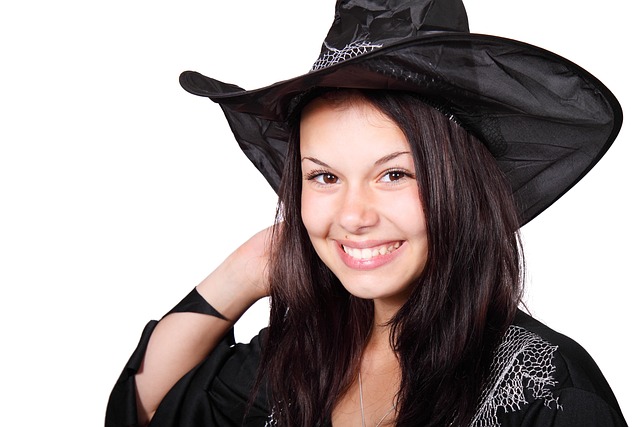
Halloween can be fun, but in most professional environments, wearing a full costume to work blurs the line between celebration and decorum. While themed events can foster engagement, professionalism should remain intact. The workplace thrives on credibility and mutual respect, both of which are easily undermined by overly theatrical displays. Instead of dressing up in elaborate adult Halloween costumes, subtle participation—like themed accessories or desk decorations—keeps the spirit alive without compromising one’s image or the company’s culture.
Workplace Culture and Professional Boundaries
In every organization, the way employees present themselves shapes perceptions of competence and reliability. Dress codes are not arbitrary; they communicate alignment with corporate values and awareness of workplace norms.
Understanding the Role of Professional Image in the Workplace
Professional attire signals respect for institutional standards. An employee who consistently dresses appropriately reinforces trust and authority. Conversely, deviating from established dress expectations—even temporarily—can invite unintended scrutiny. For example, showing up in a superhero outfit may amuse some colleagues but could also lead others to question judgment or maturity. A workplace is not an extension of personal life; it is a shared space governed by collective expectations that balance individuality with decorum.
How Organizational Culture Shapes Dress Expectations
Every company develops its own rhythm regarding attire. Creative industries like advertising or design often allow expressive clothing choices, while finance or law firms typically demand conservative dress codes. Leadership sets the tone: when executives maintain formality even on themed days, employees tend to follow suit. Policies around festive occasions should clarify boundaries so participation remains inclusive yet professional. Industries differ widely in tolerance; what seems playful in media production might appear inappropriate in healthcare or education settings.
The Social Dynamics of Halloween in Professional Environments
Festive activities at work can strengthen team spirit, but they require careful calibration to preserve professionalism. Costumes can shift attention away from tasks and create awkward dynamics if not thoughtfully chosen.
Balancing Festivity with Professional Conduct
Joining office festivities builds camaraderie but must not overshadow daily responsibilities. Employees need to assess whether their chosen outfits align with organizational decorum. Excessively casual or theatrical attire distracts from productivity and may appear tone-deaf to clients or visiting partners. A simple touch—a pumpkin pin or orange tie—often achieves the right balance between celebration and restraint.
The Influence of Peer Perception and Managerial Oversight
Reactions to costumes vary by age group, cultural background, and personal beliefs. What one person finds humorous might make another uncomfortable. Managers must set clear expectations before events begin, ensuring everyone feels respected regardless of participation level. A poorly judged costume can damage reputations within teams long after the holiday passes, particularly if it breaches cultural sensitivity or professionalism standards.
Ethical and Inclusivity Considerations in Costume Selection
Costume choices carry ethical weight in diverse workplaces. Awareness of cultural implications prevents misunderstandings that could harm relationships or reputations.
Avoiding Cultural Appropriation and Insensitive Themes
Costumes that mimic ethnic attire or rely on stereotypes can offend coworkers and contradict inclusion goals. Sensitivity toward diversity policies is crucial during any celebration involving personal expression. HR departments often circulate reminders about avoiding themes tied to race, religion, gender identity, or historical trauma. The goal is not to restrict creativity but to protect dignity across all groups represented within the workforce.
Respecting Workplace Diversity During Celebrations
Inclusive celebrations give employees freedom to participate—or abstain—without social pressure. Neutral alternatives such as color-themed clothing days maintain unity without alienating anyone uncomfortable with costumes. Encouraging awareness about diverse perspectives fosters mutual respect and strengthens cohesion across departments.
Practical Alternatives to Wearing Costumes at Work
For those who enjoy Halloween’s energy but wish to remain professional, there are many tasteful ways to join in without donning full costumes.
Subtle Ways to Participate in Halloween Festivities Professionally
Small gestures often speak louder than elaborate outfits. A tie patterned with bats, a scarf with subtle spiderweb prints, or modest accessories reflect seasonal enthusiasm while respecting corporate aesthetics. Decorating desks with pumpkins or organizing charity drives tied to Halloween themes engages teams meaningfully without crossing professional lines. Remote workers can use virtual backgrounds featuring autumn motifs for lighthearted participation during meetings.
Establishing Clear Guidelines for Future Workplace Events
Human resources should formalize guidelines outlining acceptable participation levels for themed days like Halloween or other holidays. Transparent communication before events reduces confusion about dress expectations and prevents uncomfortable situations later. Feedback collected afterward helps refine future celebrations so they remain enjoyable yet consistent with company values.
The Long-Term Impact on Workplace Reputation and Culture
Costume-related decisions extend beyond one day; they influence how outsiders perceive company culture over time.
How Costume Choices Reflect Broader Organizational Values
A business that maintains professional standards during festivities projects consistency both internally and externally. Leaders who model balanced behavior—acknowledging holidays while preserving decorum—set examples employees naturally follow. Over time, this balance cultivates a reputation for maturity and inclusiveness rather than frivolity. It shows that fun has its place but never at the expense of credibility.
FAQ
Q1: Why shouldn’t adults wear full Halloween costumes at work?
A: Because it risks undermining professionalism and can create distractions that affect productivity or client impressions.
Q2: Are there industries where costumes are acceptable?
A: Yes, creative fields like marketing or entertainment may allow them under clear guidelines set by leadership.
Q3: What’s a safe alternative for celebrating Halloween at work?
A: Accessories such as themed ties, scarves, or subtle decorations offer festive participation without breaching professional norms.
Q4: How can HR prevent inappropriate costume choices?
A: By issuing pre-event reminders highlighting inclusivity policies and providing clear examples of acceptable attire.
Q5: Does avoiding costumes mean rejecting workplace culture?
A: Not at all; it demonstrates awareness of context and respect for colleagues’ comfort levels while maintaining team spirit through other forms of engagement like charitable drives or shared decorations.