
What Makes an 80s Theme Outfit the Perfect Revival of Retro Culture
Tell Us An ’80s Trend You’d Love To Bring Back, Whether It’s Leg Warmers Or Something Deeper
The 1980s were more than a decade of bold colors and big hair—they represented a cultural revolution that fused creativity, technology, and identity. Reviving 1980s fashion today is not just about nostalgia; it’s a reflection of society’s ongoing dialogue with self-expression and individuality. The renewed fascination with the 80s theme outfit reveals how style can bridge generations, blending vintage charm with modern sensibilities. This revival underscores a collective yearning for authenticity in an age dominated by digital minimalism, making the 1980s aesthetic both timeless and timely.
The Cultural Significance of 1980s Fashion Revival
The resurgence of 1980s fashion is not accidental. It mirrors the era’s influence on modern identity and the cyclical nature of cultural memory. The decade’s fearless experimentation continues to inspire designers and consumers alike.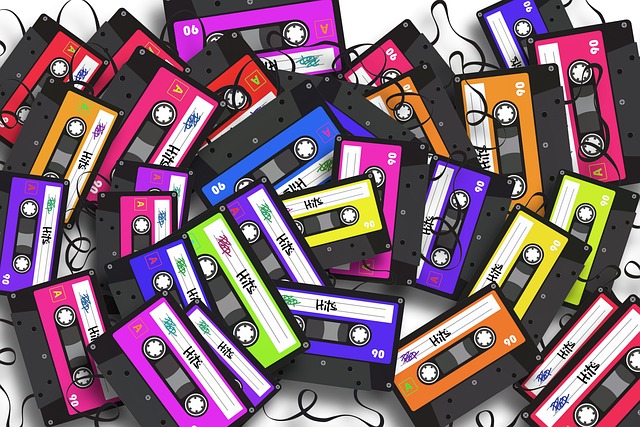
The 1980s as a Cultural Turning Point
The 1980s marked an era when personal style became a statement of empowerment. Economic optimism allowed people to experiment with clothes as symbols of ambition and freedom. Media expansion through television and music videos made high fashion accessible to everyday audiences. Pop icons like Madonna and Prince transformed wardrobes into visual declarations of individuality, setting global standards for expressive dressing.
Why Retro Aesthetics Resonate in Contemporary Society
Retro aesthetics appeal because they evoke emotional familiarity in uncertain times. Nostalgia creates comfort, allowing individuals to reconnect with perceived authenticity from the past. As fashion operates in cycles, trends like neon accents or oversized tailoring naturally resurface with modern reinterpretation. These revivals also unite generations—parents who lived the 1980s share cultural touchpoints with younger audiences discovering its vibrancy anew.
Key Elements Defining an 80s Theme Outfit
Reviving an 80s theme outfit means more than wearing bright colors; it involves understanding the design codes that defined an era obsessed with visibility and confidence.
Iconic Silhouettes and Textures of the Era
Power dressing dominated corporate culture, characterized by strong shoulders, cinched waists, and structured blazers that conveyed authority. High-waisted trousers paired with tucked-in blouses gave both men and women a sense of control through proportion. Shiny fabrics such as lamé, spandex, and satin reflected nightlife glamour while layering asymmetrical cuts symbolized rebellion against conformity.
Color Psychology and Visual Impact in 80s Fashion
Color was communication in the 1980s. Neon pinks, electric blues, and acid greens expressed optimism born from technological progress. Contrasting tones—often clashing intentionally—projected individuality over uniformity. Graphic prints borrowed from pop art emphasized fun amid rapid digitalization, merging art movements with wearable design.
The Role of Music and Media in Shaping 80s Style Identity
Music and media acted as twin engines propelling fashion innovation during the decade. They democratized trends faster than any runway could.
Influence of Music Icons on Fashion Choices
Musicians blurred lines between performance and personal style. Artists like David Bowie or Cyndi Lauper used clothing as narrative tools—each outfit told a story about gender fluidity or creative defiance. Music videos transformed wardrobes into visual storytelling mediums accessible across continents, influencing everything from streetwear to haute couture.
Television and Film as Catalysts for Trend Diffusion
Cinematic characters became unofficial style ambassadors. Films such as Flashdance popularized off-shoulder sweatshirts while TV dramas showcased aspirational luxury through tailored suits or sequined gowns. Costume designers shaped public taste by crafting memorable silhouettes that transcended their screen origins.
Reinterpreting 80s Fashion in Modern Contexts
Today’s designers revisit the decade not through imitation but reinterpretation—balancing nostalgia with innovation for relevance in contemporary wardrobes.
Integrating Retro Elements into Contemporary Wardrobes
Modern collections often borrow vintage structures but update them using sustainable materials or minimalist tailoring. Oversized jackets now pair with sleek denim instead of shoulder-padded ensembles, creating harmony between eras. Repurposing authentic vintage items also aligns with eco-conscious movements emphasizing longevity over consumption.
The Influence of Digital Culture on Retro Revivalism
Social media has accelerated trend rediscovery by turning retro aesthetics into viral moments. Platforms allow users to curate authentic recreations of iconic looks while influencers reinterpret them through modern styling techniques. This digital exchange keeps the spirit of experimentation alive—mirroring how MTV once broadcasted style revolutions globally.
Psychological Appeal Behind the Return of 80s Themes
Fashion revival is rarely superficial; it often reveals deeper psychological motives connected to memory and identity formation.
Emotional Connection Through Nostalgia and Identity Expression
Wearing retro-inspired clothing evokes emotional continuity between past aspirations and present realities. For some, it recalls youthful optimism; for others, it represents admiration for cultural milestones that shaped modern creativity. Escaping minimalist monotony through bold vintage references allows individuals to express layered identities rooted in history yet open to reinvention.
The Broader Implications of Reviving Retro Culture Through Fashion
Reviving an 80s theme outfit does more than reintroduce old trends—it reflects evolving societal values about authenticity, creativity, and collective memory.
How 80s Theme Outfits Reflect Societal Shifts in Values and Aesthetics
The return to maximalism challenges today’s preference for muted minimalism by celebrating excess as emotional honesty rather than indulgence. In a digitally saturated world where images dominate communication, embracing vivid retro aesthetics signifies resistance against algorithmic uniformity. Revisiting these styles fosters intergenerational dialogue about how culture reinvents itself without losing its roots—a reminder that fashion remains one of society’s most expressive languages.
FAQ
Q1: Why has 1980s fashion regained popularity?
A: Its revival stems from nostalgia combined with renewed appreciation for expressive design during a time when individuality feels constrained by digital culture.
Q2: What defines an authentic 80s theme outfit?
A: Key features include bold silhouettes like shoulder-padded blazers, shiny materials such as lamé or satin, and vibrant neon color palettes inspired by pop art influences.
Q3: How did music influence clothing trends in the 1980s?
A: Music icons used outfits as artistic statements; their televised performances turned personal style into mass-market inspiration that shaped global fashion behavior.
Q4: Can retro elements fit into professional wardrobes today?
A: Yes, subtle integrations—like structured blazers or high-waisted trousers—can modernize workplace attire without appearing costume-like.
Q5: What psychological factors drive interest in retro fashion?
A: Nostalgia offers emotional comfort while enabling self-expression rooted in cultural heritage; wearing vintage-inspired pieces helps individuals connect personal identity to shared history.