

Is a Guide to Men’s Fashion Still Relevant in the ‘Nice’ Era of Menswear
Menswear Is in Its ‘Nice’ Era. A Five-Point Guide to Standing Out.
The current phase of men’s fashion is defined by restraint, clarity, and quiet confidence. The so-called ‘Nice’ era has replaced the loud maximalism of the past decade with a focus on proportion, texture, and subtle sophistication. This guide to men’s fashion dissects how minimalism and refinement have become the new markers of taste, why traditional style advice must evolve, and how individuality can still shine through simplicity. For professionals navigating this shift, standing out now depends less on novelty and more on nuance.
Defining the ‘Nice’ Era
Menswear’s latest chapter reflects a broader cultural appetite for calmness and composure. After years of logo-heavy streetwear and visual overstimulation, designers have turned toward balance—favoring tactile fabrics, neutral palettes, and relaxed tailoring that signal effortlessness rather than excess.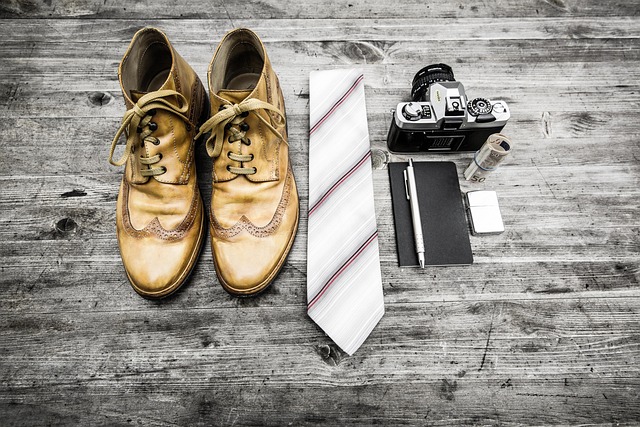
Exploring How Contemporary Menswear Has Shifted Toward Understated Elegance and Subtle Refinement
Modern menswear emphasizes discretion over display. Brands once known for streetwear now produce soft-shouldered blazers, pleated trousers, and knit polos in muted tones. The emphasis is on harmony between comfort and formality—a wardrobe that transitions naturally from office to leisure without appearing contrived.
Examining the Cultural and Social Forces Driving This Move Away From Bold Statements Toward Restraint
Cultural fatigue from constant visual noise plays a major role. Social media saturation has made subtlety feel refreshing. Economic uncertainty also encourages investment in longevity rather than trends. The result is an aesthetic that prizes emotional stability and quiet assurance over spectacle.
Discussing the Influence of Minimalism, Quiet Luxury, and Comfort-Driven Aesthetics
Quiet luxury brands have redefined aspiration through quality materials—cashmere knits, brushed cotton shirts, unlined blazers—crafted with precision but devoid of overt branding. The appeal lies in tactility: clothes that feel good before they are seen. Comfort-driven silhouettes reinforce the idea that elegance can coexist with ease.
The Evolution from Statement to Subtlety
This stylistic shift did not occur overnight; it evolved alongside digital acceleration and changing consumer psychology. As trend cycles shortened online, men began seeking permanence amid flux.
Tracing the Transition from Expressive Streetwear and Maximalism to Refined Simplicity
Streetwear’s dominance in the 2010s democratized fashion but also exhausted novelty. Oversized logos gave way to tailored proportions as men matured into quieter self-expression. Designers such as those at major European houses reintroduced classic suiting but softened its edges for modern life.
Analyzing How Digital Culture and Global Fashion Cycles Accelerated This Change
The internet compressed global fashion seasons into weeks. Once niche aesthetics spread instantly across platforms, losing their exclusivity. In response, consumers gravitated toward timeless pieces immune to algorithmic churn—navy wool trousers or white Oxford shirts became acts of rebellion against constant reinvention.
Assessing How Designers Reinterpret Traditional Tailoring for Modern Sensibilities
Contemporary tailoring blends structure with relaxation: jackets are unpadded yet sharply cut; trousers drape fluidly without stiffness. Technical fabrics add flexibility while preserving formality. This hybridization mirrors modern work-life fluidity where boundaries blur between professional and personal attire.
The Role of a Fashion Guide in a Mature Menswear Landscape
As menswear stabilizes into maturity, the role of style authority must adapt. Traditional rulebooks no longer dictate taste; discernment does.
Evaluating Whether Traditional “Style Rules” Hold Relevance in a More Democratized Fashion Environment
Classic rules—never mix brown with black or wear sneakers with suits—feel outdated when context defines appropriateness more than convention. Men today curate wardrobes around lifestyle needs rather than prescriptive codes.
Exploring How Editorial Authority Has Evolved With Influencer Culture and Algorithmic Exposure
Influencers now shape perception faster than print editors once did. Yet digital visibility often lacks depth; algorithms reward repetition over insight. The modern guide to men’s fashion must filter this noise by offering historical grounding alongside trend interpretation.
Identifying What Constitutes Expertise When Style Boundaries Are Fluid
Expertise today means contextual fluency: understanding why silhouettes change or how fabric technology alters fit. It requires connecting cultural shifts to material choices rather than listing seasonal trends.
Reframing the Purpose of Men’s Fashion Guides
A guide should no longer instruct what to wear but teach how to see—how proportion communicates mood or texture signals intent.
Considering How Guides Can Shift From Prescribing Trends to Cultivating Discernment
Instead of dictating trends, guides should train readers to evaluate coherence: how color balance affects perception or why certain cuts flatter specific frames. Knowledge becomes empowerment rather than conformity.
Discussing the Role of Education in Helping Readers Interpret Quality, Proportion, and Context
Educational framing builds lasting literacy—recognizing full-grain leather versus corrected grain or spotting hand-finished seams versus machine shortcuts fosters informed consumption beyond brand loyalty.
Highlighting the Importance of Fostering Personal Authenticity Within Broader Aesthetic Norms
True sophistication lies in consistency between personality and presentation. Whether minimalist or expressive, authenticity sustains relevance even as styles evolve.
Strategies for Standing Out Amid Subtlety
Subtle dressing does not erase individuality; it refines it into detail-oriented distinction where craftsmanship speaks louder than color contrast.
Investigating How Craftsmanship, Texture, and Fit Become Key Differentiators in Understated Fashion
A well-tailored jacket reveals expertise through shoulder roll or sleeve pitch more effectively than any logo could. Textures like brushed flannel or linen-tweed blends add depth visible only up close—a private luxury for those who notice.
Explaining Why Refined Materials or Tailored Silhouettes Communicate Sophistication Without Excess
Natural fibers breathe differently; fine merino drapes closer to the body while maintaining softness. Such subtleties project control without ostentation—a language understood among discerning observers.
Showing How Attention to Finishing Details Can Elevate an Otherwise Simple Look
Polished hardware on loafers or tonal stitching on outerwear conveys care in execution. These micro-decisions build cumulative impact that distinguishes quiet excellence from generic minimalism.
Building a Distinct Visual Language Within Restraint
Minimalism need not mean monotony; variation within limits creates identity recognizable yet refined.
Analyzing How Color Theory, Silhouette Play, and Fabric Contrast Create Individuality Within Minimalist Codes
Layering ecru over stone gray produces dimension even within neutrals; mixing matte cotton with lustrous silk introduces visual rhythm without loudness. Playing with proportion—cropped jackets over wide trousers—redefines balance subtly yet decisively.
Examining How Accessories Such as Watches, Eyewear, or Footwear Serve as Controlled Statements
Accessories act as punctuation marks: a vintage chronograph signals heritage appreciation; sculptural sunglasses convey creative edge while remaining functional within restraint’s grammar.
Discussing Balancing Personal Flair With Coherence and Restraint in Professional Styling Contexts
Professional styling thrives on harmony: one statement piece per outfit maintains focus while respecting environment codes—a suede loafer under formal tailoring achieves both ease and polish simultaneously.
The Influence of Cultural Shifts on Men’s Fashion Identity
Fashion mirrors social evolution; changing definitions of masculinity reshape what refinement looks like today.
Exploring How Evolving Gender Dynamics Influence Men’s Approach to Self-Presentation
Fluid gender norms encourage experimentation once deemed taboo—softer silhouettes or pastel palettes now symbolize openness rather than fragility. Clothing becomes dialogue about identity rather than armor against scrutiny.
Assessing the Rise of Emotional Intelligence and Vulnerability as Fashion Narratives
Designers increasingly frame collections around emotional resonance: garments designed for comfort evoke psychological safety as much as physical ease—a reflection of broader empathy-driven leadership ideals emerging across industries.
Examining How These Shifts Manifest in Design Language and Consumer Behavior
Consumers favor authenticity over projection; they buy fewer items but demand higher integrity—from transparent sourcing to honest storytelling embedded within brand communication strategies.
Globalization and Digital Aesthetics in Menswear Trends
Digital networks merge regional aesthetics faster than ever while paradoxically standardizing taste worldwide.
Analyzing the Blending of Regional Aesthetics Through Online Communities and Digital Platforms
Japanese workwear influences Italian tailoring; Scandinavian minimalism informs American casual dressing—all accessible via shared digital imagery shaping collective sensibility beyond geography.
Discussing How Global Exposure Encourages Experimentation While Maintaining Polish
Exposure inspires cross-pollination: pairing Indian handloom shirts with British outerwear feels natural when global craftsmanship coexists seamlessly online yet retains individual character through context-aware styling choices.
Evaluating the Tension Between Individuality and Algorithm-Driven Homogenization
Algorithms favor sameness by amplifying popular visuals until uniqueness blurs into template repetition; resisting this requires conscious curation rooted in personal experience rather than feed validation metrics.
Future Directions for Men’s Fashion Guidance in the ‘Nice’ Era
The next frontier emphasizes sustainability intertwined with education where taste equals responsibility toward longevity—not just aesthetics.
Emphasizing Durability, Ethical Sourcing, and Timeless Design as New Cornerstones of Taste
Durable construction now defines luxury more credibly than novelty drops; ethical manufacturing transparency becomes part of style literacy akin to knowing cloth weights or lapel shapes decades ago.
Explaining How Guides Can Promote Conscious Consumption Without Moralizing Tone
Guides should normalize sustainable decisions pragmatically—show cost-per-wear logic instead of guilt framing—to make responsibility aspirational rather than restrictive behaviorally among readers seeking balanced lifestyles.
Suggesting Frameworks for Evaluating Wardrobe Longevity Beyond Seasonal Trends
Longevity evaluation includes repair potential, modular coordination across seasons, adaptability across contexts—all measurable through fabric resilience tests standardized under ISO textile durability metrics ensuring objective assessment criteria (ISO 12947).
Arguing That Expertise Remains Vital for Contextualizing Trends Within Historical Lineage
Without expert interpretation linking present silhouettes back to heritage tailoring traditions documented since early 20th-century Savile Row archives (Bloomberg data), trends risk losing narrative coherence necessary for cultural continuity appreciation among practitioners analyzing market evolution trajectories (Reuters).
Illustrating How Professional Analysis Deepens Appreciation for Craft and Cultural Meaning
Professional commentary decodes symbolism embedded within design choices—from stitch density ratios influencing garment lifespan (ISO 4915) to socio-economic cues shaping silhouette adoption cycles globally tracked by IEA consumption datasets ensuring empirically grounded discourse credibility standards (IEC).
Highlighting Opportunities for Collaboration Between Traditional Editors, Stylists, and Digital Creators
Hybrid collaborations bridge analytical rigor with immediacy: editors contextualize history while creators translate insights visually across platforms ensuring relevance retention amid accelerated content turnover cycles defining contemporary menswear communication ecosystems globally observed under IRENA creative economy reports (IEA).
FAQ
Q1: What defines menswear’s ‘Nice’ era?
A: It centers on understated elegance emphasizing texture quality over branding excess reflecting societal preference for calm sophistication replacing prior maximalist tendencies across global markets observed since mid-2020s transitions documented by Bloomberg indices tracking apparel sentiment shifts (Reuters).
Q2: How can subtle dressers still stand out?
A: Through precision tailoring fit calibration material tactility attention micro-finishing details differentiating refined craftsmanship visibility even within minimalist frameworks validated via ISO textile grading benchmarks ensuring measurable excellence indicators (ISO).
Q3: Why is sustainability integral now?
A: Sustainability integrates directly into perceived value aligning ethical sourcing transparency durability metrics forming core evaluative parameters redefining contemporary taste hierarchies globally standardized under IEC environmental compliance frameworks (IEC).
Q4: Do traditional style rules still matter?
A: They serve historical reference points but lose prescriptive authority replaced by contextual adaptability prioritizing situational appropriateness over rigid formula adherence reflecting democratized fashion ecosystems evolving dynamically online (IEA).
Q5: What role do experts play amid influencer culture?
A: Experts anchor discourse providing analytical depth linking aesthetic evolution technical craft lineage cultural significance maintaining intellectual integrity within rapidly circulating digital narratives ensuring informed consumption education continuity standards globally referenced under ISO documentation protocols (ISO).