How to style short hair for women with shape, texture, and less heat
A practical way to think about short hair
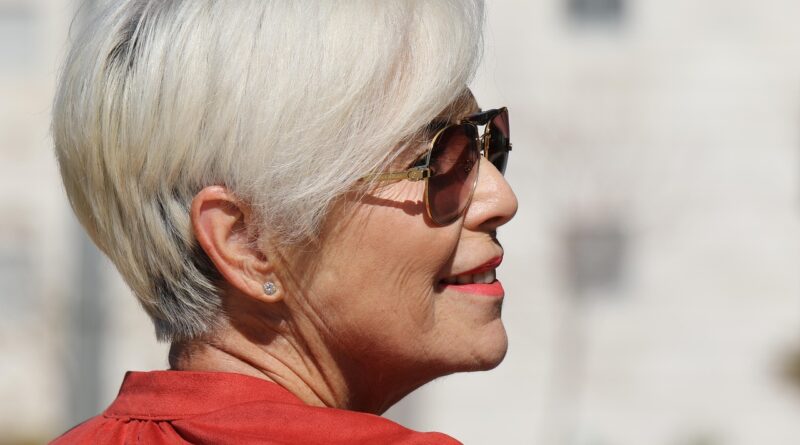
If you want to know how to style short hair for women so it looks intentional, start with shape rather than adding more product or heat. Short hair shows details quickly: the direction of the part, volume at the crown, the finish around the ears, and texture through the ends. A reliable routine is usually simple. Define the haircut, control the root direction while the hair is damp, use one lightweight styling product, then polish only the pieces that need it. That approach keeps short hair flexible instead of stiff, modern rather than overworked, and suitable for work, weekends, and evening outfits.
Because short hair sits close to the face, styling also affects the overall outfit. A soft bob can sharpen tailoring, a textured pixie can balance oversized knitwear, and a sleek crop can make earrings, collars, and neckline details more visible. For more wardrobe-focused ideas, browse the Style Guides section and treat hair as part of the full look, not a separate beauty decision.
Match the styling method to the cut
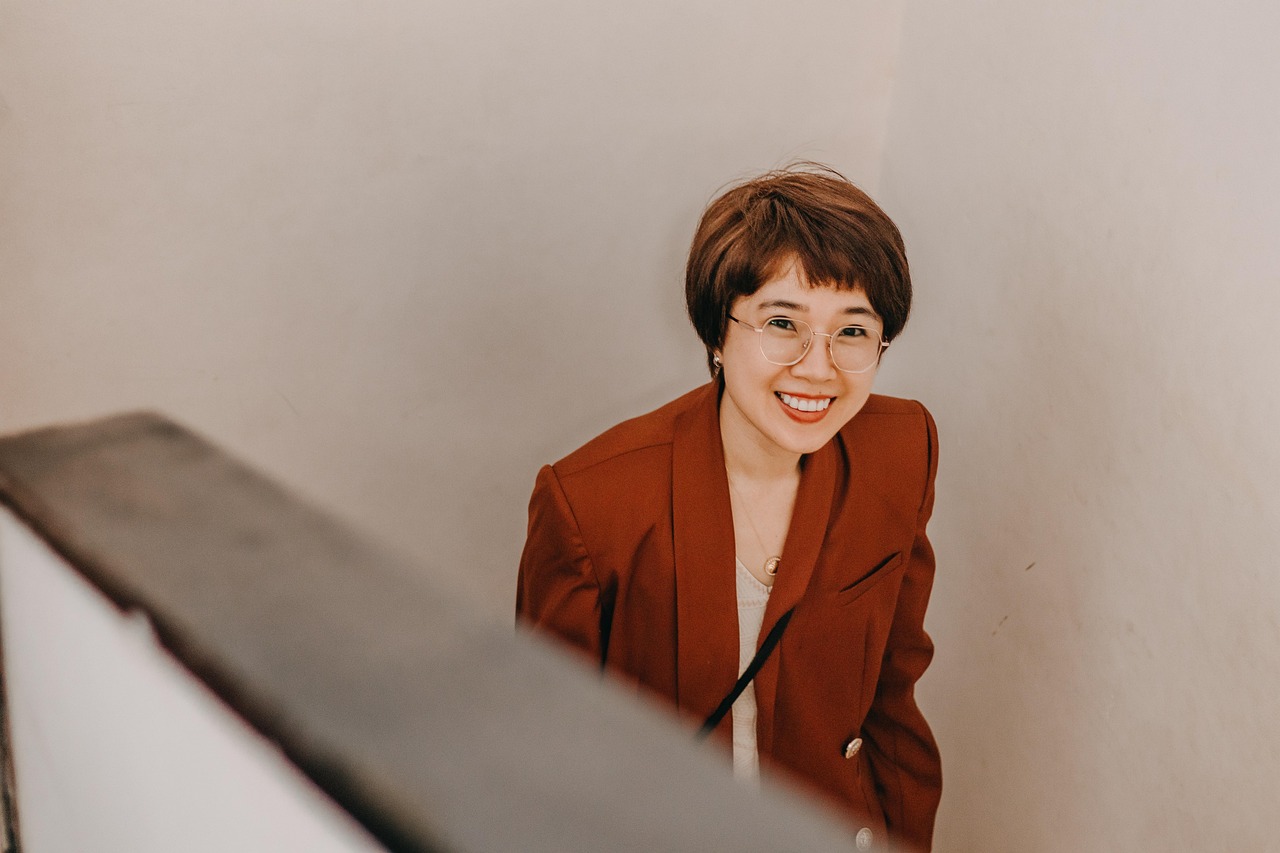
Short hair is not one category. A chin-length bob, curly crop, pixie, and bixie all need different styling choices. Before choosing tools or products, identify what the haircut needs most: volume, less bulk, defined texture, smoother edges, or a more deliberate shape during a grow-out phase.
Pixie cuts and close crops
A pixie usually needs root direction and piece definition more than heavy smoothing. Start with damp hair. Use your fingers or a small brush to push the front section in the direction you want it to fall, then dry or air-dry while keeping that shape in place. A pea-size amount of styling cream, paste, or wax can separate the fringe and side pieces. Avoid spreading product through the whole head at once; short hair can look flat or oily quickly when the product is too rich.
Bixies and grown-out pixies
The bixie sits between a pixie and a bob, so it often has awkward areas around the ears, nape, and crown. The aim is to make the in-between length look designed. Tuck one side behind the ear, lift the crown slightly, and define the longer front pieces. If the back flips unpredictably, work with it as texture instead of fighting every bend. A light mousse or flexible cream can help the shape hold without making the hair look helmet-like.
Short bobs
A bob depends on its line. Blunt bobs look stronger when the ends are controlled; layered or French-inspired bobs usually look better with movement. For a sleek bob, dry the roots first, then smooth the mid-lengths and ends with a brush or a low-to-medium heat tool. For an undone bob, scrunch in a lightweight texture product and let the ends bend naturally. If one side flips out, create a similar bend on the other side rather than forcing both sides completely straight.
Curly, coily, and wavy short hair
Curly and coily short hair often needs moisture, definition, and minimal disruption once the curl pattern is set. Apply leave-in conditioner or curl cream while the hair is damp, then use your fingers to place the curls where you want volume. Diffusing on low airflow can preserve shape better than rough drying. If the hair is coily or tightly curled, avoid pulling hard at the edges or repeatedly slicking the same areas with high tension, because tight styling can stress the hairline over time.
Build shape before adding more product
One common short-hair mistake is trying to use product to fix a shape problem. Product can add hold, texture, or shine, but it cannot fully replace direction. If the roots dry flat, the final style will usually look flat. If the front section dries the wrong way, more wax may only make it heavier.
Start by deciding three things: where the part sits, how much height you want at the crown, and whether the ends should look sleek, bent, or piecey. Shape the hair while it is still slightly damp. Move the roots with your fingers, clips, a small round brush, or a paddle brush, depending on the finish. Even air-dried short hair benefits from a few minutes of controlled shaping at the beginning.
Heat tools work best as finishing tools, not as the whole routine. The American Academy of Dermatology advises that excessive heat can damage hair, which is especially relevant for short styles because the same sections may be styled often. If you use a straightener, curling wand, or hot brush, keep passes brief, use a heat protectant, and focus on visible surface pieces rather than repeatedly heating the whole head.
A quick styling matrix for short hair
| Styling goal | Works best for | Simple method | Best finish |
|---|---|---|---|
| Soft volume | Pixies, bixies, short layered bobs | Lift roots while damp, dry upward at the crown, then lightly separate the top | Flexible spray or light paste |
| Sleek polish | Blunt bobs, straight crops, side-parted cuts | Smooth roots first, then refine only the outer layer and ends | Shine serum used sparingly |
| Undone texture | French bobs, wavy bobs, grown-out pixies | Scrunch damp hair, add a soft bend where needed, then break up the finish with fingers | Texture spray or lightweight cream |
| Defined curls | Curly crops and short natural styles | Apply curl product on damp hair, place curls by hand, then air-dry or diffuse on low | Curl cream or gel with flexible hold |
| Evening shape | All short cuts | Create a stronger part, polish the front, and emphasize one feature such as shine or volume | Light hairspray, gloss, or pomade |
Choose products that do one clear job
Short hair needs less product than many people expect, but it needs the right kind. With less length to absorb or hide buildup, heavy formulas can make the style collapse. Choose one main product based on the finish you want, then add a second only if the hair genuinely needs it.
- Mousse: Best for lift, airy volume, and fine hair that falls flat. Apply at the roots or through the top layers before drying.
- Styling cream: Best for softness, light control, and reducing puffiness without creating a hard finish.
- Paste or wax: Best for pixies, cropped layers, and piece definition. Warm a tiny amount between your fingertips before touching the hair.
- Gel: Best for curl definition, slicked looks, or stronger hold. Use carefully if you still want movement.
- Texture spray: Best for bobs and bixies that need separation. Spray lightly, then shake out with fingers.
- Shine serum or oil: Best for polished finishes. Apply only to ends or surface pieces to avoid greasy roots.
Fine hair usually works better with mousse, dry texture spray, and very small amounts of cream. Thick hair may need smoothing cream before styling and a stronger product on the ends. Curly hair often benefits from product applied while the hair is wet enough for even distribution, followed by minimal touching once the shape is set.
Style short hair around your outfit and occasion
Short hair changes the visual balance of clothing because it exposes the neck, jawline, ears, and shoulders. That can be useful. Instead of styling hair the same way every day, adjust one element to support the outfit.
For work or polished daytime dressing
Keep the silhouette controlled. A side part, smooth front, tucked ear, or softly lifted crown can make short hair look neat without feeling severe. This works well with blazers, button-down shirts, minimal knitwear, and clean tailoring. If the haircut is textured, polish the front section and let the back stay softer. See also: Fashion Trends.
For casual weekends
Use movement rather than precision. Let a bob bend naturally, push a pixie off the face, or allow waves to sit slightly unevenly. Casual short hair looks most current when it is not forced into a perfect shell. Pair it with denim, relaxed layers, sporty outerwear, or soft sweaters to keep the look easy.
For evening looks
Choose one strong detail. That might be glossy slicked-back hair, a deep side part, sculpted curls, or sharply defined ends. Short hair pairs especially well with statement earrings, open necklines, and strong collars because there is less hair competing with the outfit. If the clothes are already ornate, keep the hair cleaner; if the outfit is minimal, make the hair finish more deliberate.
For the growing-out stage
Growing out short hair is often the hardest phase because different sections grow at different visual speeds. Cleveland Clinic notes that hair growth commonly averages around 4 to 6 inches per year, so the transition from pixie to bob is gradual rather than instant. Use accessories, ear tucks, soft bends, and small trims to keep the shape intentional while length returns. A narrow headband, barrette, or scarf can also make uneven layers feel styled instead of accidental.
Common short-hair styling mistakes to avoid
Short hair can be low-maintenance, but it is not no-maintenance. The routine is usually shorter and more precise. Avoid these common mistakes if the style keeps missing the mark.
- Using too much product: Start with less than you think you need. You can always add more, but product overload is hard to remove without washing.
- Ignoring the roots: Roots decide volume and direction. Style them first, especially around the crown, part, and front hairline.
- Overheating the same pieces: Short layers are easy to restyle repeatedly, but frequent high heat can weaken the hair over time. Use hot tools only where they change the final look.
- Trying to copy a different hair type exactly: A sleek bob on thick straight hair will not behave the same as a layered bob on fine waves. Use inspiration as a direction, not a strict template.
- Skipping neckline and side details: On short cuts, the nape, sideburns, and ear area affect the whole shape. If these areas are bulky or undefined, the style can look unfinished.
- Forgetting the outfit: A short cut can look sporty, elegant, romantic, or sharp depending on the finish. Match the styling mood to the clothes.
Frequently asked questions
What is the easiest way to style short hair in the morning?
Refresh the roots first. Mist the hair lightly with water or a styling spray, reshape the front and crown with your fingers, then add a small amount of product only where the style needs control. Most short cuts look better when the root direction is corrected before the ends are polished.
How can short hair look feminine without being overstyled?
Softness usually comes from proportion, not length. Face-framing pieces, a gentle side part, shine, visible earrings, soft makeup, or a neckline that flatters the jaw and neck can all make short hair feel feminine. A cropped cut does not need curls or heavy styling to look elegant.
How do I add volume to fine short hair?
Use a lightweight mousse at the roots, dry the crown upward or against the natural fall, and avoid heavy oils near the scalp. A slightly irregular part can also make fine short hair look fuller because it prevents the top from splitting into a flat line.
Can short hair be styled without heat?
Yes. Shape damp hair with fingers, clips, a brush, or a scarf, then let it dry in place. Product choice matters more when you skip heat: mousse helps lift, curl cream defines texture, and paste separates short layers after the hair dries.
What should I do when my pixie starts growing out?
Treat the extra length as a new shape rather than a failed pixie. Push the front to one side, tuck longer pieces behind the ear, add texture at the crown, and keep the nape tidy if it becomes bulky. Small adjustments can make the transition toward a bixie or bob look intentional.
The bottom line
The most effective way to style short hair is to work with the cut instead of covering it with product or heat. Decide the shape, set the roots, choose one product with a clear purpose, and finish only the pieces that matter most. Whether the style is a pixie, bixie, bob, curly crop, or close cut, short hair looks strongest when it feels deliberate, touchable, and connected to the rest of the outfit.