

What Does a Fashion Guide for Male Experts Reveal About 2026 Wardrobe Essentials
Men’s Wardrobe Essentials: 19 Clothing Basics Every Man Should Own in 2026
By 2026, men’s wardrobe essentials will center on adaptability, sustainability, and quiet sophistication. The expert’s closet will no longer chase trends but balance timeless tailoring with innovative materials. From hybrid suits to AI-assisted styling tools, the evolution of menswear emphasizes versatility and environmental awareness. This fashion guide for male professionals identifies the 19 key pieces that define modern expertise—each designed to merge function, comfort, and refined aesthetics.
The Evolution of Men’s Wardrobe Essentials Toward 2026
The coming years will see men’s wardrobes shaped by both cultural transformation and technological progress. Experts predict a shift where traditional craftsmanship meets digital precision, redefining what it means to dress with purpose.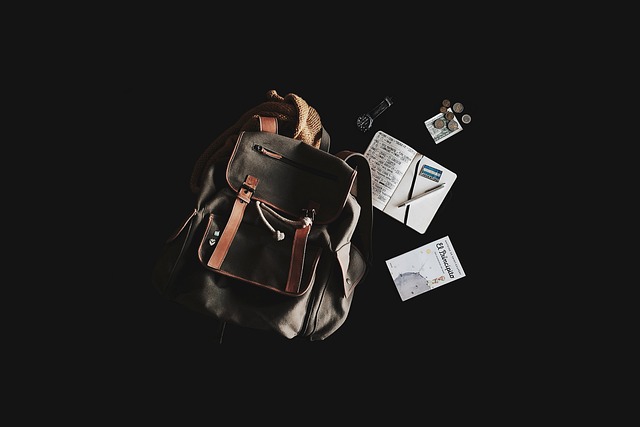
Shifting Aesthetics in Modern Menswear
Menswear in 2026 reflects a balance between tailored heritage and futuristic minimalism. Tailoring remains relevant but adapts through lighter structures and flexible fabrics suited for hybrid work environments. Minimalism continues to dominate, yet performance materials bring new depth—stretch wool, recycled nylon, and moisture-regulating cottons allow one outfit to serve multiple functions. Meanwhile, cultural shifts redefine masculinity; fashion now expresses confidence through subtlety rather than dominance.
The Impact of Sustainability on Men’s Fashion Choices
Sustainability has become a professional standard rather than an optional virtue. Ethical sourcing and circular production models enhance brand credibility among discerning buyers. Recycled fabrics and biodegradable fibers are no longer niche—they form the foundation of wardrobe staples such as shirts, denim, and outerwear. Transparency in manufacturing also influences expert recommendations; brands that disclose supply chains gain trust from industry insiders who value accountability over marketing gloss.
Core Tailoring Pieces Defining 2026 Menswear Standards
Tailoring remains the cornerstone of expert dressing. Yet its expression evolves toward comfort and fluidity while maintaining structure.
The Reinvented Suit as a Modern Staple
The suit has transitioned from rigid uniform to adaptive essential. Hybrid versions integrate stretch fabrics for ease of movement during long commutes or meetings. Deconstructed silhouettes project relaxed professionalism without sacrificing authority. Neutral palettes—stone, charcoal, navy—dominate due to their cross-seasonal wearability and compatibility with tech-infused accessories.
The Precision of the Tailored Blazer
In 2026, the blazer becomes a multi-context garment bridging formal and casual domains. Lightweight wool blends paired with technical textiles increase durability while reducing bulk. Smart tailoring incorporates subtle patterning that adds depth without distraction—a quiet nod to craftsmanship appreciated by experts who value understatement over display.
Elevated Everyday Basics in the 2026 Male Wardrobe
Beyond suits, everyday essentials define how professionals navigate diverse environments—from boardrooms to off-duty settings—with seamless transition.
The Role of the Perfect White Shirt in Contemporary Styling
The white shirt remains indispensable but evolves through material science. Organic cotton combined with wrinkle-resistant weaves enhances longevity and comfort throughout long days. Adaptive fits accommodate varied body types while maintaining elegance under blazers or knitwear layers. Refined touches like hidden buttons or textured finishes elevate its presence from basic to statement piece.
Premium Denim as a Foundational Garment
Denim continues as a universal anchor within men’s wardrobes. Eco-conscious dyeing techniques reduce water use while preserving rich indigo tones ideal for day-to-night wear. Slim-tapered silhouettes dominate among professionals seeking polish without stiffness. Raw denim gains renewed relevance for its durability and ability to age gracefully with wear.
The Essential Knitwear Layer
Knitwear transitions into modular layering systems built around fine merino wool or cashmere blends for year-round adaptability. Earth-toned hues—olive, sand, rust—reflect sustainable aesthetics aligned with nature-inspired palettes forecasted for 2026 fashion trends. These knits bridge formality gaps between shirts and outerwear while adding tactile sophistication.
Functional Outerwear Reflecting Expert-Level Style Insight
Outerwear now combines engineering precision with sartorial discipline, catering to both climate adaptation and aesthetic restraint.
The Technical Trench Coat Redefined for Performance and Elegance
The trench coat evolves beyond tradition into a high-performance layer featuring water-repellent coatings fused with breathable membranes for all-weather adaptability. Streamlined cuts maintain structural integrity while enhancing mobility during travel or commuting. Neutral shades like stone or navy dominate professional wardrobes due to their enduring versatility.
The Versatility of the Bomber Jacket in Transitional Seasons
Bomber jackets reemerge as transitional staples blending minimalist design with sustainable innovation. Recycled nylon or vegan leather alternatives replace conventional synthetics without compromising texture or resilience. Functional pockets and ergonomic fits cater to modern practicality demands while maintaining sleek silhouettes suitable for both tailored trousers and casual chinos.
Footwear Fundamentals Anchoring the Expert’s Wardrobe in 2026
Footwear defines how an outfit feels as much as how it looks; comfort technologies now coexist seamlessly with classic design codes.
Classic Leather Shoes with Contemporary Innovation
Leather footwear retains authority within formal contexts but gains new relevance through smart soles that integrate cushioning technologies discreetly beneath traditional profiles. Vegetable-tanned leathers reinforce sustainable craftsmanship narratives valued by modern consumers seeking longevity over fast turnover. Oxford, Derby, and loafer styles remain indispensable across professional settings where refinement signals credibility.
Sneakers as Elevated Casual Essentials
Sneakers evolve into luxury-grade essentials bridging sport aesthetics with minimalist design language favored by professionals under forty-five. Premium materials such as suede-mesh hybrids create tactile contrast while clean silhouettes maintain understated appeal suitable even under cropped tailoring. Limited-edition collaborations continue highlighting individuality among experts who treat footwear as both utility and personal signature.
Accessories That Define Refinement in Men’s Fashion Expertise
Accessories serve as punctuation marks within expert wardrobes—functional yet expressive indicators of taste consistency.
The Role of Watches as Functional Statements of Identity
Watches remain central symbols of identity merging mechanical precision with digital integration via hybrid timepieces capable of health tracking or calendar syncing without losing analog charm. Design minimalism emphasizes craftsmanship over ornamentation; heritage brands gain renewed respect for balancing innovation with tradition—a duality aligning perfectly with professional sensibilities in 2026.
Belts, Bags, and Eyewear as Coordinated Complements
Accessories increasingly act as cohesive extensions rather than afterthoughts within curated wardrobes.
Belts: Subtle Markers of Style Consistency
Full-grain leather belts retain shape over years of use while matte hardware complements understated luxury trends dominating contemporary menswear aesthetics.
Bags: Practicality Meets Aesthetic Discipline
Crossbody bags replace bulky briefcases among urban professionals prioritizing agility during travel or commutes. Materials such as recycled canvas or vegetable-tanned leather reinforce sustainable practices without compromising structure or polish.
Eyewear: Precision Engineering Meets Design Identity
Lightweight titanium frames dominate professional circles due to durability paired with ergonomic comfort during extended wear hours at digital workstations or outdoor meetings alike.
Integrating Technology into 2026 Wardrobe Essentials for Men
Technology now acts not just behind-the-scenes but woven directly into garments themselves—reshaping how clothing interacts with lifestyle data.
Smart Fabrics Enhancing Comfort and Performance
Temperature-regulating fibers adjust dynamically based on environmental conditions ensuring consistent comfort indoors or outdoors alike. Embedded sensors discreetly monitor posture or activity levels supporting wellness without visual intrusion into style coherence. Washable electronics redefine functionality making smart apparel practical rather than experimental novelty.
Data-Informed Personal Styling Systems
AI-driven platforms analyze wardrobe data enabling smarter coordination decisions across digital closets synced via mobile interfaces reducing waste from misfitting purchases through virtual fitting accuracy improvements documented by leading retail analytics groups such as Bloomberg Intelligence (Bloomberg). Experts utilize these analytics strategically refining personal branding consistency across public appearances or media engagements where attire communicates authority before words do.
Future Outlook on Men’s Fashion Expertise
As fashion converges further with technology and ethics by 2026, adaptability becomes the ultimate measure of expertise rather than adherence to fixed rules.
Anticipating the Next Phase of Wardrobe Evolution
Modular garments allowing customizable combinations across seasons will dominate premium collections bridging sustainability goals with consumer flexibility demands tracked by IEA sustainability reports (IEA). Cross-disciplinary collaboration between fashion designers technologists environmental scientists continues shaping essentials from fiber innovation through lifecycle assessment frameworks under ISO textile standards (ISO). Expert wardrobes emphasize authenticity environmental consciousness adaptability forming the triad defining menswear excellence entering late-decade cycles beyond transient trend cycles typical earlier this century.
FAQ
Q1: What are the most important men’s wardrobe essentials for 2026?
A: Nineteen core items stand out including hybrid suits blazers white shirts premium denim knitwear trench coats bomber jackets classic shoes sneakers watches belts bags eyewear plus emerging smart-fabric pieces integrating technology seamlessly into daily wear.
Q2: How does sustainability influence men’s fashion today?
A: Sustainable sourcing recycled fibers transparent production processes have shifted from niche concerns to baseline expectations determining brand credibility among professional buyers globally.
Q3: Are traditional suits still relevant?
A: Yes though redesigned through stretch textiles lighter construction neutral tones allowing flexibility across formal semi-formal contexts reflecting evolving workplace dynamics post-remote era adjustments observed widely across industry surveys reported by Reuters (Reuters).
Q4: What role does technology play in modern wardrobes?
A: Smart fabrics AI-based styling tools sensor-embedded garments all contribute toward improved performance personalization efficiency aligning apparel functionally with lifestyle data patterns verified under IEEE wearable technology standards (IEEE).
Q5: Which colors define expert menswear aesthetics in 2026?
A: Neutrals dominate particularly charcoal navy taupe complemented by earthy greens browns soft whites reflecting both timeless professionalism environmental sensitivity shaping future-focused wardrobes worldwide.