
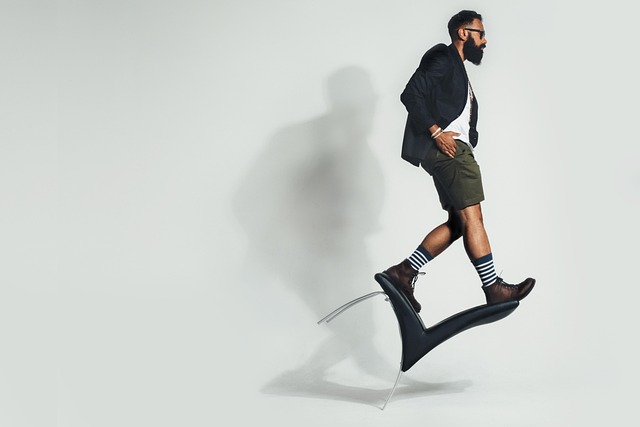
Is The Men’s Fashion Styles Guide Still Shaped By Timeless Rules Today
Timeless Men’s Fashion Rules That Still Define Great Style Today
Classic menswear has never truly gone out of style. The most enduring men’s fashion rules—fit, proportion, and restraint—continue to shape how modern professionals dress. These principles, rooted in centuries of tailoring tradition, remain relevant because they prioritize elegance over excess. A well-tailored suit or a perfectly balanced casual outfit still signals confidence and taste. The men’s fashion styles guide that draws from these timeless foundations offers not only aesthetic direction but also a framework for consistency in personal presentation.
The Enduring Influence of Traditional Men’s Fashion Principles
The evolution of men’s fashion is inseparable from history itself. Every stitch in a tailored jacket reflects decades of refinement by master craftsmen who valued precision and proportion above fleeting trends.
Historical Foundations of Men’s Style
Classic menswear took shape during the 19th and early 20th centuries when bespoke tailoring became the standard for refined dressing. British and Italian tailors perfected the art of structured suits, emphasizing clean lines and symmetry. Rules concerning fit and fabric selection were not arbitrary; they emerged from practical needs—mobility, durability, and climate suitability. Early icons like the Duke of Windsor or Cary Grant helped define what it meant to look composed without appearing ostentatious, setting benchmarks still respected today.
The Philosophy Behind Timeless Style Rules
Traditional menswear operates on principles that transcend fashion cycles: balance, simplicity, and subtlety. Dressing appropriately for context remains an unspoken rule that separates refinement from carelessness. Whether in a boardroom or at an evening event, elegance lies in restraint rather than display. These long-standing ideas form the philosophical backbone of every modern men’s fashion styles guide, reminding wearers that true sophistication is quiet but unmistakable.
Core Timeless Rules That Still Define Modern Men’s Fashion
Modern style may incorporate sneakers with suits or denim with blazers, yet its success depends on adherence to foundational rules established generations ago.
The Rule of Fit and Proportion
Fit remains the cornerstone of great style. A jacket that follows the natural shoulder line or trousers that break just once at the shoe demonstrates visual harmony between garment and body type. Tailoring creates structure; even casual pieces like polo shirts benefit from proportion awareness. When proportions are correct, clothing flatters without drawing attention to itself—a subtle mark of mastery every stylist recognizes.
The Role of Fabric and Texture in Lasting Style
Fabric choice defines both comfort and longevity. Natural fibers such as wool, cotton, and linen have proven their worth through decades because they age gracefully while maintaining structure. Texture contrast adds depth: pairing a tweed blazer with crisp cotton trousers introduces visual interest without resorting to loud patterns. Seasonal fabrics—lightweight linen in summer or flannel in winter—signal both practicality and taste.
Color Coordination and the Art of Subtlety
Color theory in menswear rewards moderation. Neutral palettes—navy, gray, beige—offer flexibility across occasions. Accent tones like burgundy or forest green should complement rather than dominate an outfit. Tonal layering within similar hues demonstrates control over one’s palette choices, producing ensembles that appear effortless yet deliberate.
Contemporary Interpretations of Classic Menswear Rules
While lifestyles evolve rapidly, traditional style codes adapt rather than disappear. Today’s reinterpretations bridge heritage craftsmanship with new materials and digital-age sensibilities.
Adapting Tradition to Modern Lifestyles
The shift toward business-casual offices has softened formal boundaries but preserved core tailoring logic. Unstructured blazers replace rigid suits yet maintain clean lines reminiscent of bespoke roots. Hybrid garments—such as drawstring trousers cut from suiting fabric—illustrate how comfort coexists with formality. In online spaces where personal branding matters, these adaptations help individuals project professionalism while expressing individuality.
The Balance Between Innovation and Convention
Designers today walk a fine line between innovation and respect for tradition. Heritage silhouettes are reimagined using performance fabrics or minimalist cuts suited to urban living. Streetwear influences have introduced looser fits without abandoning structural discipline; even oversized coats borrow their framework from classic tailoring principles. This interplay defines current fashion evolution—a dialogue between old-world artisanship and modern experimentation.
The Psychological and Cultural Relevance of Timeless Style Rules Today
Beyond aesthetics, consistent dressing carries psychological weight. Clothing communicates stability, reliability, and respect for shared norms—qualities still prized in professional circles.
Why Consistency in Dress Still Matters Professionally and Socially
Adhering to classic dress codes signals dependability across industries where visual coherence equates to credibility. Executives favor neutral suits not merely out of habit but because uniformity projects focus over flamboyance. Even subtle conformity reinforces trust; it shows awareness of collective expectations while allowing minor personal variation through accessories or texture choices.
Cultural Shifts Reinforcing the Value of Timelessness
Sustainability movements have reignited appreciation for garments built to last decades instead of seasons. As consumers reject fast fashion wastefulness, traditional tailoring gains renewed relevance for its durability and repairability. Globalization has also revived interest in regional craftsmanship—from Neapolitan hand-stitching to Japanese selvedge denim—affirming that quality transcends geography or trend cycles.
Evaluating the Future Direction of Men’s Fashion Guides
Future men’s fashion styles guides must do more than preserve history; they must integrate ethical production standards with digital education tools accessible worldwide.
Integrating Heritage with Forward-Thinking Design Ethics
Tomorrow’s guides will merge historical literacy with environmental responsibility by highlighting sustainable materials such as organic cotton or recycled wool blends. Durability aligns naturally with timeless aesthetics: fewer purchases mean deeper emotional connection to each piece owned. Ethical design thus becomes both moral stance and stylistic statement—a continuation rather than rejection of classic values.
The Continuing Role of the Men’s Fashion Styles Guide in a Changing World
Comprehensive guides remain vital for contextualizing emerging trends within enduring frameworks. Expert curators translate complex sartorial traditions into actionable advice suited for contemporary wardrobes while preserving educational depth once found only in bespoke ateliers. Their ongoing relevance lies in articulating permanence amid constant change—a steady compass for those navigating modern style complexity.
FAQ
Q1: Why do traditional tailoring rules still matter today?
A: Because they provide structural harmony that flatters any body type while promoting longevity through proper construction techniques.
Q2: How can modern professionals apply timeless style principles?
A: By focusing on fit first, selecting quality natural fabrics, maintaining neutral color bases, and adapting formality levels according to context.
Q3: What role does sustainability play in classic menswear?
A: Traditional garments emphasize durability over disposability; this philosophy aligns closely with current sustainability goals emphasizing reduced consumption cycles.
Q4: Are relaxed fits replacing tailored silhouettes permanently?
A: Not entirely; relaxed fits expand comfort options but still rely on proportional balance derived from classical tailoring foundations.
Q5: What should future men’s fashion guides prioritize?
A: They should unite heritage craftsmanship with transparent sourcing practices while using digital platforms to educate new generations about timeless dressing principles.