
What Makes an Autumn Style Guide Essential for Transitional Dressing
Don’t Know What to Wear in Autumn? Here’s Your Guide to Transitional Dressing
Seasonal shifts often challenge even the most experienced dressers. Autumn’s unpredictable mix of cool mornings and warm afternoons calls for a wardrobe that adapts easily. The key lies in transitional dressing—layering, fabric versatility, and color balance that keep both style and practicality intact. This autumn style guide explores how professionals refine their wardrobes for comfort, polish, and durability through strategic layering, mindful fabric selection, and cohesive styling.
Understanding Transitional Dressing in Autumn?
As temperatures fluctuate between late summer warmth and early winter chill, clothing must perform double duty. Transitional dressing is not just about adding layers; it’s about creating harmony between comfort and sophistication.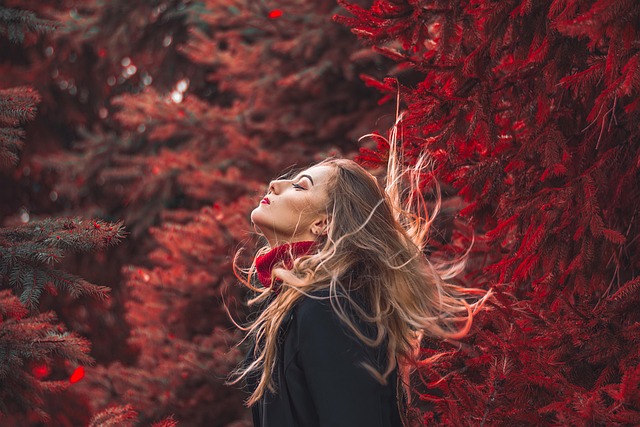
The Concept of Transitional Dressing
Transitional dressing bridges the gap between summer and winter wardrobes. It focuses on flexibility—pieces that can be adjusted or combined to suit temperature swings throughout the day. Lightweight knits over cotton shirts or a trench coat layered atop tailored separates are examples of this principle. Professionals rely on such combinations to maintain consistency in appearance across varying conditions without constant outfit changes.
The Importance of Seasonal Adaptation
Autumn requires calculated wardrobe adjustments. Fabrics shift from breezy linens to structured wools, while colors deepen to reflect the muted tones of the season. Light levels drop earlier in the day, influencing not only mood but also material choice—matte finishes absorb light differently than glossy ones. Transitional outfits thus serve dual purposes: ensuring comfort while retaining aesthetic coherence suitable for both office settings and social gatherings.
Core Elements of an Autumn Style Guide
A refined autumn style guide identifies materials and silhouettes that perform well under variable weather patterns. Each piece should offer adaptability without sacrificing elegance or durability.
Key Fabrics for Transitional Weather
Wool blends, lightweight knits, and cotton layers remain central for autumn wear. These fabrics allow breathability yet trap enough warmth as temperatures dip. Textured materials such as corduroy or tweed add depth and visual richness to layered ensembles, giving dimension even to neutral palettes. The composition of each fabric affects not only its feel but also its longevity—a factor increasingly valued among professionals seeking sustainable wardrobe investments.
Foundational Wardrobe Pieces for Autumn
Between boardrooms and weekend errands, transitional pieces must function seamlessly across contexts.
Layering Essentials
Trench coats, blazers, and cardigans act as reliable outer layers that adapt easily from mild afternoons to chilly evenings. Beneath them, turtlenecks or long-sleeve tops regulate body temperature while maintaining structure under formal attire. A fine-gauge knit under a tailored blazer is a timeless example of smart layering that balances warmth with professional polish.
Transitional Footwear Choices
Footwear defines much of autumn practicality. Loafers transition smoothly from office floors to outdoor strolls, while ankle boots handle damp pavements with ease. Sneakers remain a versatile option when styled with cropped trousers or midi skirts. Material choice matters—leather offers resilience against moisture; suede provides texture but requires extra care during wet spells.
The Role of Color Theory in Autumn Styling
Color anchors every seasonal wardrobe transition. As daylight softens, hues shift toward deeper tones that mirror nature’s palette—think rust leaves or golden fields fading into dusk.
Seasonal Color Palettes and Their Psychological Impact
Earth tones like camel, rust, olive, and burgundy dominate autumn collections because they echo natural surroundings while projecting calm sophistication. Moving away from bright summer shades toward muted neutrals signals maturity in styling choices. Understanding undertones—whether warm or cool—helps maintain cohesion when mixing multiple layers within one outfit.
Balancing Texture and Tone in Outfit Composition
Pairing matte wool with glossy silk introduces visual contrast without overwhelming the eye. Texture interplay builds depth even within monochromatic outfits; for instance, combining ribbed knits with smooth leather produces tactile variation that feels intentional rather than improvised. Such contrasts keep ensembles visually engaging while preserving professional restraint.
Integrating Trends into a Professional Autumn Wardrobe
Modern dressing thrives on subtle evolution rather than radical change. Professionals often reinterpret classic silhouettes through updated proportions or contemporary detailing.
Modern Interpretations of Classic Autumn Styles
Tailored suits now appear with relaxed shoulders or cropped hems that reflect current preferences for ease over rigidity. Heritage prints like plaid or houndstooth resurface each year but gain freshness through unexpected color pairings or scaled-down patterns suitable for minimalist aesthetics.
Functional Accessories for Transitional Dressing
Accessories play structural roles beyond decoration—they adjust proportions and enhance utility within layered looks.
Scarves, Belts, and Bags as Structural Complements
Scarves provide both insulation and movement; silk versions add elegance indoors while wool options protect against evening chill outdoors. Belts refine shape within multi-layered outfits by defining waistlines without adding weight. Structured bags anchor these looks by offering clean lines amid textural variety.
Jewelry and Detailing for Seasonal Refinement
Metallic accents—especially gold or bronze—harmonize naturally with autumn’s subdued palette. Minimalist jewelry complements professional attire by introducing subtle gleam rather than distraction. Small details such as tortoiseshell buttons or brushed metal buckles further elevate understated garments into refined statements.
Sustainability Considerations in Autumn Wardrobe Planning
As sustainability becomes integral to fashion discourse, professionals increasingly prioritize quality over quantity when curating seasonal wardrobes.
Building a Timeless Capsule Collection for Autumn
A capsule collection focuses on versatile staples: tailored trousers, neutral sweaters, structured coats—all designed for interchangeability across occasions. Investing in durable pieces reduces frequent replacements while promoting mindful consumption aligned with environmental goals.
Material Ethics and Production Transparency
Ethical fashion extends beyond design aesthetics into sourcing transparency. Responsibly produced wool ensures humane treatment of animals; organic cotton minimizes chemical runoff during cultivation; recycled fibers cut down textile waste entering landfills. Choosing such materials supports circular production models gaining traction across global apparel industries monitored by organizations like ISO’s sustainability frameworks.
Strategic Styling Techniques for Transitional Dressing Success
Mastering transitional dressing requires attention not only to what is worn but also how garments interact dynamically throughout the day.
Layer Management for Temperature Variability
Modular layering allows quick adaptation between indoor heating systems and outdoor breezes common during autumn commutes. Lightweight outerwear such as unlined blazers or quilted vests maintains mobility while regulating warmth efficiently without bulk accumulation typical of winter coats.
Balancing Functionality with Aesthetic Precision
Each layer should contribute equally to structure and practicality within an ensemble’s composition—from breathable base fabrics preventing overheating to outer shells providing wind resistance during morning walks. Accessories fine-tune proportion: slim belts counter oversized knits; sleek bags offset voluminous coats—all maintaining equilibrium between formality and ease essential for modern professionalism.
FAQ
Q1: What fabrics best suit transitional autumn weather?
A: Wool blends, cotton layers, lightweight knits, corduroy, and tweed are ideal since they balance warmth with breathability throughout fluctuating temperatures.
Q2: How can color theory improve an autumn wardrobe?
A: Using earth tones like rust or olive creates harmony with seasonal light shifts while ensuring outfits appear cohesive across different textures.
Q3: What footwear transitions well from office to outdoor use?
A: Loafers offer versatility indoors; ankle boots handle damp streets effectively; sneakers bridge casual-professional boundaries effortlessly when styled right.
Q4: How does sustainability influence modern autumn dressing?
A: Choosing durable staples made from responsibly sourced materials reduces turnover rates and supports ethical production chains recognized by international standards bodies such as ISO.
Q5: Why is layering crucial during seasonal change?
A: Layering enables temperature control without compromising style—it allows quick adjustments between environments while maintaining structured silhouettes suitable for professional settings.