Which Fall Dress Trends Are Worth Wearing This Season?
Which Fall Dress Trends Feel Fresh Without Trying Too Hard?
The best fall dress trends are not about buying every runway idea. They are about picking dresses that make cool mornings easier, look neat during the workday, and still feel right after hours. This season, the direction is richer in color, softer in shape, and more personal in styling. Think dresses with a bit of presence, deeper tones, useful layers, and pieces that do not stay hanging in the closet.
Vogue’s July 2026 fall trend coverage pointed to styling power, softened power dressing, and playful proportions. Google’s 2026 Summergeist report also showed that babydoll dresses were the top trending summer dress type in U.S. search data. That matters for fall because fashion does not change in one night. A warm-weather shape can still work as a fall dress when you add boots, a cardigan, or a cleaner coat. (vogue.com)
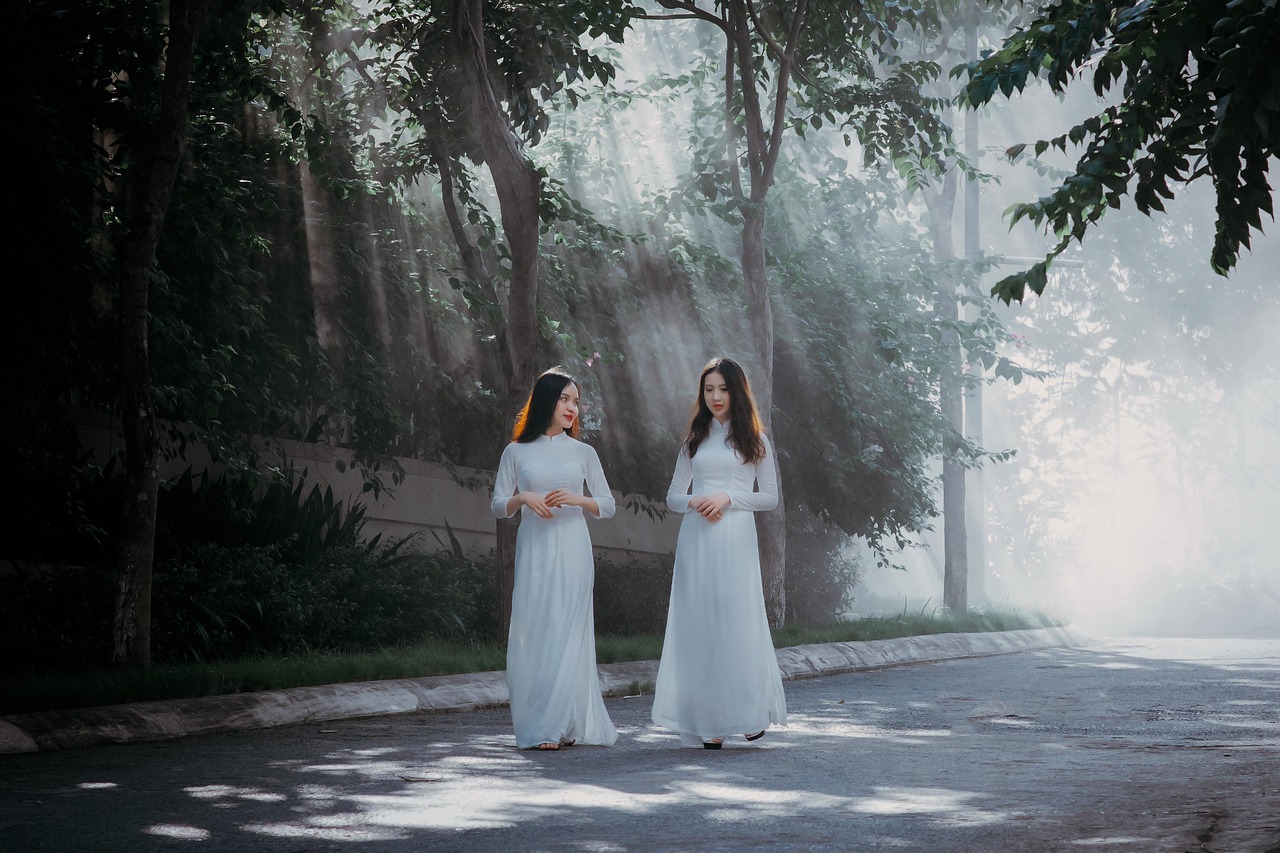
Soft Power Midi Dresses
A softly tailored midi dress is still one of the safer choices for fall. It gives the clean line people want for office dressing, but it does not feel stiff or too formal. Look for a defined waist, a soft shoulder shape, and fabric with some weight, such as ponte, crepe, fine wool blend, or compact knit. The best length usually sits around mid-calf or just below the knee, so it works with tall boots, loafers, or low heels.
Babydoll Shapes With Fall Weight
The babydoll dress does not disappear once summer is over. The main point is to make it feel less beachy and more suited to cooler weather. Choose cotton poplin in a dark floral, brushed twill, velvet, or a lined fabric that keeps its shape. If the hem is short, opaque tights and a flat riding boot help balance it. If the style feels too sweet, add a boxy jacket. That one layer changes the mood quickly.
Everyday Dresses With Better Details
The everyday dress is getting more attention because buyers want clothes that can handle more than one setting. A simple long-sleeve knit dress with rib texture, a shirt dress with a curved hem, or a waist-seamed dress with deep pockets can work for errands, office days, and dinner. Small details carry a lot of the value here. A covered button, a cleaner cuff, or a slightly dropped waist can make a basic dress look current without making it loud.
Which Silhouettes Are Leading the Season?
Silhouette is where fall dress trends are easiest to read. You do not need a bright print or a large logo to show the season. A changed waistline, a fuller skirt, or a straight column shape can shift the whole look. The stronger shapes this season feel familiar, but they are not flat. They give movement, shape, and enough room for normal life, including sitting in a car, carrying a tote, or walking in windy weather.
Dropped Waist Dresses
Dropped waists are back, but the better versions feel more grown-up. Vogue’s fall 2026 runway report highlighted decade-hopping dropped waists, linking them to Art Deco, the 1960s, and the 1980s. For daily wear, it is better to skip anything that feels like a costume and keep the top simple. A dropped-waist knit dress, a pleated skirt panel, or a low-seam shirt dress gives the idea without looking like a themed party outfit. (vogue.com)
Column Dresses With Layering Room
A column dress is a quiet workhorse for fall. It hangs straight, skims the body, and fits well under jackets. You can wear a sleeveless column dress over a thin turtleneck, or put a cropped cardigan over a long ribbed version. This shape is useful because accessories can change the whole tone. A belt makes it cleaner. Tall boots make it practical. A long coat makes the outfit look more put together, even when the dress itself is simple.
Tulip and Cocoon Shapes
Playful proportions are showing up in dresses, but they work best when the volume has a reason. Vogue described fall-winter 2026 runways with cocoon-like tailoring, dramatic hemlines, and billowy dresses. In daily dressing, a tulip skirt can add movement, and a cocoon sleeve can soften broad shoulders. A curved hem can also make a plain black dress feel less basic. Keep the rest of the outfit clean so the shape looks planned, not bulky. (vogue.com)
Which Colors and Fabrics Make Fall Dresses Look Current?
Color and fabric do a lot of work in fall dressing. Fall is not only black, camel, and burgundy, even though those colors still sell and still make sense. This year, the color story has two clear sides. There are earthy shades that feel steady, and there are brighter tones that help on gray days. The right fabric can also make a simple cut look more considered.
Earthy Reds, Clay, and Olive
Pantone’s Autumn/Winter 2026/2027 New York Fashion Week color report named shades such as Muted Clay, Arabian Spice, Red Mahogany, and Burnt Olive among its key colors, alongside warm neutrals like Candied Ginger and Toffee. For dresses, these shades are easy to use because they sit well with fall textures. A clay sweater dress, olive shirt dress, or mahogany satin midi looks seasonal without turning into pumpkin-spice costume territory. Small joke, but the coffee-shop color trap is real. (pantone.com.br)
Satin, Taffeta, and Soft Sheen
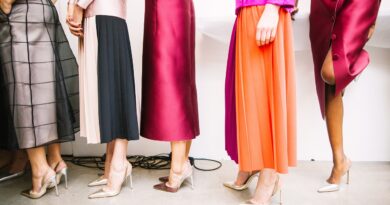
Satin and taffeta are not only for parties now. For fall, heavier satin, washed satin, or crisp taffeta is easier to wear because it holds better and does not crease too fast. A satin slip dress can sit under a chunky cardigan. A taffeta midi can look current with flat boots instead of heels. The shine picks up low autumn light, so these fabrics photograph well, but they still need balance. Keep jewelry simple and let the fabric carry the outfit.
Knit, Suede, and Brushed Texture
Texture is the quickest way to make a dress feel ready for fall. Ribbed knits, soft suede finishes, brushed cotton, and velvet trims add warmth without needing too many layers. If autumn is mild where you live, a sleeveless suede-look dress over a tee may be enough. In colder areas, a long-sleeve knit dress with a wool coat is a practical outfit that still looks planned. It also takes very little time in the morning, which is the real win.
How Should You Style Fall Dresses for Real Life?
A dress becomes useful when you can wear it in three or four ways. That is where many trend pieces lose people. They look good on the hanger, then sit unworn because the styling options are too narrow. A better method is to try each dress with the shoes and jackets already in your closet before buying another piece.
Boots That Set the Mood
Boots change a dress very quickly. Tall boots make a midi dress look more polished, while Western boots make florals feel less sweet. Lug-sole boots can toughen up satin or lace. A pointed ankle boot works well with column dresses because it keeps the line long. If you only buy one pair for fall dresses, a knee-high boot in brown, black, or deep burgundy gives the most outfit options. See also: Fashion Trends.
Jackets That Frame the Dress
The jacket should work with the dress shape, not fight against it. A cropped jacket suits fuller skirts and dropped waists. A long coat works with column dresses and slip dresses. A fitted blazer sharpens a soft knit dress. For weekends, a barn jacket or short trench over a floral midi feels relaxed without looking messy. That balance is useful for real wardrobes.
Accessories With a Light Hand
Fall accessories can become heavy fast. Add a big scarf, big boot, big bag, and big buckle all at once, and the dress gets lost. Pick one main accent instead. A wide belt can shape a loose dress, while a small top-handle bag can dress up a knit midi. A silk scarf can add color near the face. If the dress already has texture or shine, keep the accessories quieter.
How Can You Buy Fall Dress Trends More Smartly?
Trends are useful, but the better buy is still the dress you will wear again. That matters more in 2026, as fashion shoppers are watching value more closely. The Business of Fashion and McKinsey’s State of Fashion 2026 report said the midmarket is the fastest-growing value creator in fashion, while resale is forecast to grow two to three times faster than the firsthand market through 2027. ThredUp’s 2026 Resale Report, conducted by GlobalData, put the global secondhand market at $393 billion, about 10% of total apparel spend. (mckinsey.com)
Cost per Wear Over Hype
Before buying a trend dress, do a quick cost-per-wear check. If a $120 dress can be worn twice a month for six months, that is 12 wears, or $10 per wear. If a $70 dress only works for one dinner, it is not really cheaper. The math is not perfect, but it helps stop impulse buys. A good fall dress should work with at least two jackets and two pairs of shoes you already own.
Secondhand and Vintage Options
Some of the strongest fall dress trends, such as dropped waists, satin slips, floral midis, and suede textures, are easy to find secondhand. It often helps to search by fabric, length, and waistline instead of only by brand. A vintage-inspired dress does not need to be true vintage. It just needs good fabric, a wearable cut, and enough condition to handle regular wear.
Fit Checks Before Checkout
Fit matters more in fall because layers make small problems easier to notice. Check the shoulder seam, sleeve length, waist placement, and whether the skirt rides up when you sit. Raise your arms if you are trying it on in a store. Walk a few steps too. If the dress needs constant fixing, it will not become a favorite. No one wants to spend a whole dinner pulling at a side seam.
FAQ
Q1: What Are the Biggest Fall Dress Trends This Season? A: The most wearable trends include soft power midi dresses, dropped waists, column silhouettes, babydoll shapes in heavier fabrics, satin midis, earthy colors, and textured knits.
Q2: Can You Wear Babydoll Dresses in Fall? A: Yes. Choose darker colors, heavier fabrics, tights, boots, and a structured jacket. The styling should feel grounded rather than overly sweet.
Q3: Which Fall Dress Color Is the Easiest to Style? A: Olive, clay, chocolate brown, and deep red are very easy because they pair well with black, cream, denim, tan, and gold-tone accessories.
Q4: What Shoes Look Best With Fall Dresses? A: Knee-high boots are the most versatile. Ankle boots, loafers, and ballet flats also work, depending on the dress length and fabric weight.
Q5: How Do You Make a Trend Dress Last Longer? A: Pick a shape that suits your routine, choose quality fabric, avoid overly specific prints, and style it with jackets, boots, and accessories you already wear often.