80s fashion style explained for modern wardrobes
What 80s fashion style really means
80s fashion style is not a single uniform look. It brings together strong silhouettes, visible color, glossy pop culture, fitness-inspired clothing, denim, leather, and several subcultures that moved from music scenes and clubs into everyday wardrobes. The decade is best understood through contrast: sharp power suits appeared alongside ripped denim, neon activewear, romantic ruffles, preppy polos, and early hip-hop street style.
For a modern wardrobe, the aim is not to copy the decade from head to toe. A more wearable approach is to borrow one or two recognizable 1980s codes, such as a boxy blazer, high-waisted jeans, bold earrings, or a bright knit, then balance them with cleaner contemporary pieces.
Fashion historians often describe the 1980s as a decade of power dressing, but that label only covers part of the story. The Fashion History Timeline by the Fashion Institute of Technology notes that the decade also opened with stylish sportswear and New Romantic influences, while later years saw stronger visibility for hip-hop and rap-related style. That mix is why 80s dressing still works as a source of inspiration for fashion trends today.
The main building blocks of 80s fashion style
The most recognizable 80s outfits usually rely on at least one of four ideas: shape, shine, color, or attitude. Clothing was often designed to be noticed, whether through broad shoulders, acid-wash denim, metallic fabric, bright makeup, oversized jewelry, or dramatic hair. Even casual looks often carried a sense of performance.
Power shoulders and structured tailoring
The power suit is one of the clearest symbols of 1980s fashion. Jackets often had padded shoulders, a defined waist, and a confident, angular line. In women’s wardrobes, this silhouette was closely linked with workplace visibility and the broader cultural image of ambition. Vogue’s historical coverage of 1980s fashion has described the shift from softer 1970s tailoring toward more structured suits that communicated authority.
Designers such as Thierry Mugler and Claude Montana are frequently associated with the decade’s exaggerated tailoring. Museum collections and fashion archives often use their work to show how sharp shoulders, narrow waists, and sculptural jackets reshaped the body. For modern styling, the reference does not require extreme padding. A slightly oversized blazer, a clean shoulder line, and straight-leg trousers can suggest the 80s without turning the outfit into costume.
Denim, leather, and tough casual dressing
Denim became one of the decade’s most flexible style languages. High-waisted jeans, denim jackets, double denim, cropped cuts, and pale or acid-wash finishes all belong to the 80s vocabulary. Leather jackets, biker references, studs, belts, and boots added a tougher edge, especially in looks connected to rock, punk, and club culture.
Proportion matters. 80s denim was rarely timid: jeans were often worn high on the waist, jackets were boxy, and sleeves were pushed up. In a current outfit, one strong denim piece is usually enough. High-rise straight jeans with a white shirt, or a faded denim jacket over a black slip dress, will read as inspired rather than literal.
Color, print, and oversized accessories
The 1980s did not avoid decoration. Bright blue, hot pink, red, purple, emerald, yellow, white, and black appeared in bold combinations. Graphic patterns, animal prints, polka dots, stripes, metallics, sequins, and high-contrast color blocking all helped create a high-energy look. Accessories followed the same logic: large earrings, stacked bangles, wide belts, statement sunglasses, scrunchies, and noticeable handbags became part of the overall silhouette.
This is where many modern outfits go wrong. Wearing every 80s signal at once can look more like party styling than fashion. A better approach is to choose one loud element. Pair a bright fuchsia sweater with dark denim, for example, or wear oversized gold earrings with a black blazer and simple trousers.
Fitness wear as everyday fashion
The fitness boom changed how people dressed outside the gym. Leotards, leggings, stirrup pants, sweatshirts, tracksuits, sneakers, headbands, and leg warmers became part of popular style. FIT’s overview of the decade connects the rise of stylish gym clothing with a wider fitness craze, showing how activewear moved into daily dress long before the modern athleisure market had that name.
Today, this part of 80s fashion is easiest to translate through sporty layering: a cropped sweatshirt over leggings, retro running sneakers with straight jeans, a track jacket with tailored trousers, or ribbed socks with loafers. The reference works best when the fabrics and fit look intentional, not like accidental gym clothes.
The decade was not one trend but several style tribes
One reason 80s fashion style remains searchable and wearable is that it offers multiple entry points. Someone who dislikes neon may still like power tailoring. Someone who would never wear a shoulder-padded blazer may prefer faded denim, a varsity jacket, or a romantic blouse. The decade is broad enough to support different personal aesthetics.
| Style direction | Typical pieces | Modern way to wear it |
|---|---|---|
| Power dressing | Padded blazers, pencil skirts, tailored trousers, pumps, wide belts | Choose a structured blazer with relaxed jeans or a simple slip skirt |
| New Romantic | Ruffled shirts, dramatic sleeves, velvet, brocade, soft tailoring | Wear one romantic blouse with minimal black trousers or denim |
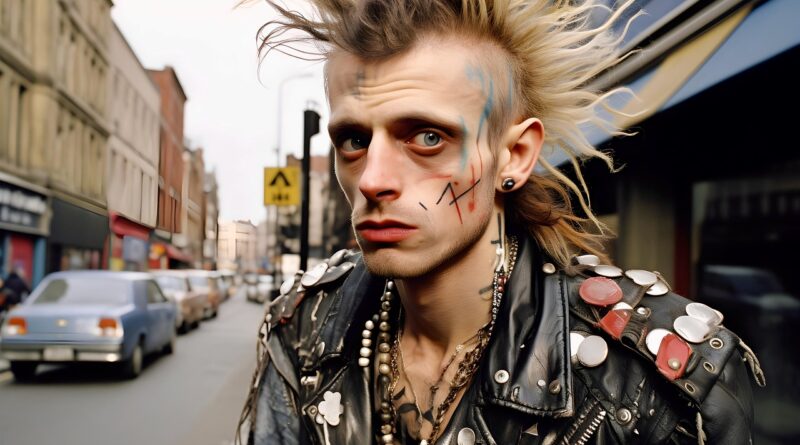
| Punk and goth influence | Leather, black layers, ripped fabric, studs, boots, dark makeup | Use a leather jacket or chunky boot rather than a full themed look |
| Fitness and dancewear | Leggings, leotards, sweatshirts, leg warmers, trainers, headbands | Balance sporty pieces with tailoring, wool coats, or modern sneakers |
| Preppy and collegiate | Polo shirts, chinos, cable knits, loafers, varsity jackets | Mix a knit polo or varsity jacket with clean contemporary basics |
| Early hip-hop influence | Tracksuits, sneakers, bucket hats, gold-tone jewelry, logo-heavy pieces | Keep the silhouette relaxed and avoid treating cultural references as costume |
These categories often overlapped in real wardrobes. A person might wear a power blazer with jeans, or a sporty sweatshirt with a leather mini skirt. That mixing is part of what made the decade visually loud and commercially influential.
Why 80s fashion style keeps returning
Fashion revivals rarely come back as exact copies. They return because a previous decade offers shapes or moods that feel useful again. The 1980s are especially easy to revisit because the period created highly identifiable fashion codes: the shoulder, the high waist, the big earring, the bright knit, the leather jacket, the logo, the sneaker, and the statement belt.
There is also a practical reason. Many 80s-inspired pieces still solve common styling problems. A strong blazer gives shape to relaxed denim. High-waisted jeans define the waist and work with cropped tops. Statement jewelry can make basic clothing feel styled. Retro sneakers add comfort without looking too plain. The best 80s references are not only nostalgic; they are functional. See also: Outfit Ideas.
Pop culture keeps the decade visible as well. Music videos, film, television, archive runway images, and celebrity styling have all helped preserve the visual memory of the 1980s. Still, a wearable interpretation should be selective. The decade’s strongest looks were bold because they were edited around a clear point of view, not because every item was oversized, shiny, and bright at the same time.
How to wear 80s fashion style now
The most reliable way to build an 80s-inspired outfit is to start with one anchor piece. That piece should carry the decade’s shape or mood, while the rest of the outfit keeps the look current. This method works for casual outfits, office dressing, nightlife, and weekend styling.
- Start with a blazer: Choose a boxy or lightly padded blazer and wear it with straight-leg jeans, a plain tank, and loafers. Add a wide belt if you want a stronger 80s signal.
- Use high-waisted denim: Pair pale high-rise jeans with a tucked shirt, leather belt, and clean sneakers. Keep the wash vintage-inspired but the fit modern.
- Add one bright color: A cobalt sweater, red jacket, or pink shirt can carry the reference without needing neon from head to toe.
- Try statement earrings: Oversized hoops, sculptural studs, or gold-tone clips work well with minimal outfits.
- Balance volume: If the top is oversized, keep the bottom straighter. If the trousers are loose, use a more fitted knit or tucked shirt.
- Keep hair and makeup intentional: Big hair and colorful makeup are part of the 80s image, but modern versions usually look better when softened.
For a polished outfit, combine a charcoal oversized blazer, white T-shirt, straight blue jeans, black ankle boots, and large gold earrings. For a casual version, try a vintage-style sweatshirt, high-waisted jeans, ribbed socks, and retro sneakers. For evening, a black mini dress with a cropped leather jacket and sculptural earrings gives the mood without turning into costume dressing.
What to avoid when styling 80s-inspired outfits
The biggest mistake is treating 80s fashion as a checklist. Shoulder pads, neon, lace gloves, leg warmers, teased hair, acid-wash denim, and huge jewelry can each work separately. Together, they often look like fancy dress. A modern outfit needs contrast, restraint, and fabric quality.
- Avoid too many references at once: Choose one or two 80s elements and let them stand out.
- Do not ignore fit: Oversized does not mean shapeless. Jackets should still sit correctly at the shoulder or look deliberately relaxed.
- Be careful with novelty prints: Graphic patterns work best when paired with solid basics.
- Update footwear: Some vintage shapes can feel heavy. Modern loafers, boots, or retro sneakers often make the outfit easier to wear.
- Respect subcultural references: Punk, goth, and hip-hop styles have cultural context. Borrow design ideas thoughtfully rather than flattening them into costume.
A useful test is whether the outfit would still make sense if the 80s reference were removed. If the answer is yes, the look is probably strong. If the outfit depends entirely on nostalgia, it may need editing.
A simple 80s capsule for a modern wardrobe
You do not need a large vintage collection to build an 80s-inspired wardrobe. A small capsule can cover most of the decade’s key ideas while staying wearable. Focus on pieces that work with clothing you already own.
- A structured black, gray, or navy blazer
- High-waisted straight-leg jeans in a medium or pale wash
- A white T-shirt or tank top
- A bright knit or sweatshirt
- A leather jacket or faux-leather bomber
- Retro sneakers or ankle boots
- A wide belt
- Oversized earrings or stacked bracelets
With these pieces, you can create several outfits: blazer and denim for everyday polish, leather jacket and bright knit for weekend dressing, or high-waisted jeans with a tucked tank and statement earrings for a simple evening look. The capsule works because it captures the decade’s structure, color, and attitude without requiring full reproduction.
Frequently asked questions
What defines 80s fashion style?
80s fashion style is defined by bold silhouettes, strong shoulders, high-waisted denim, bright colors, visible accessories, fitness-inspired clothing, and the influence of music and youth subcultures. It includes power dressing, punk, New Romantic, preppy, sporty, and early hip-hop-related looks.
How can I dress 80s without looking costumey?
Use one clear 80s reference at a time. A structured blazer, acid-wash jean, wide belt, bright knit, or statement earring can suggest the decade. Keep the rest of the outfit simple, modern, and well fitted.
Were shoulder pads really important in the 1980s?
Yes. Shoulder pads became one of the decade’s most recognizable design features, especially in women’s tailoring and power suits. They created a broader upper body and a more assertive silhouette.
Is 80s fashion only about neon?
No. Neon is one popular memory of the decade, but 80s style also included black leather, denim, gray tailoring, romantic white blouses, collegiate knits, metallic eveningwear, and dark goth-influenced dressing.
What is the easiest 80s piece to wear today?
A structured blazer is the easiest starting point because it works with jeans, trousers, skirts, dresses, and simple basics. It gives the 80s shape while still feeling relevant in a modern wardrobe.