90s male fashion guide to the decade’s most wearable looks
What 90s male fashion actually means
90s fashion male style was never one fixed uniform. It covered loose denim, flannel shirts, oversized sportswear, graphic tees, workwear, minimalist tailoring, sneakers and subculture pieces that moved from music scenes into everyday wardrobes. The decade mattered because men’s style became more casual, more youth-led and more connected to music culture than traditional dress codes. Grunge made worn-in layers acceptable, hip-hop pushed volume and logo sportswear forward, skate and rave scenes normalized functional streetwear, and minimalist designers made plain pieces feel sophisticated.
For modern outfits, the most wearable approach is to borrow the proportions and attitude rather than copy every detail. That usually means relaxed jeans instead of extreme sagging, a boxy overshirt instead of a shapeless stack of layers, and one nostalgic piece balanced with clean basics. For more style coverage, visit the Fashion Trends section.
A quick timeline of men’s style in the 1990s
Fashion history sources such as The Museum at FIT often describe the 1990s as a decade of reinvention, with minimalism, grunge, deconstruction and revived luxury developing at the same time. That is why 90s menswear can look contradictory at first glance. A man could wear a thrifted flannel, a baggy basketball jersey, a black turtleneck or a roomy suit and still sit within the decade’s style language.
| Period | Menswear direction | Typical pieces |
|---|---|---|
| Early 1990s | Grunge, leftover late-80s volume and casual denim | Flannel shirts, ripped jeans, band tees, boots, oversized sweaters |
| Mid 1990s | Hip-hop influence, sportswear and cleaner minimalist fashion | Baggy jeans, track jackets, sneakers, plain tees, leather jackets, relaxed suits |
| Late 1990s | Skate, rave, tech fabrics and logo-heavy streetwear | Cargo pants, nylon jackets, bowling shirts, bucket hats, graphic tops, chunkier shoes |
The main shift was away from stiff formality. Even dressier menswear often had more room through the shoulder, trouser leg and jacket body than many slim-fit looks of the 2010s.
The major 90s male fashion codes
Grunge layers
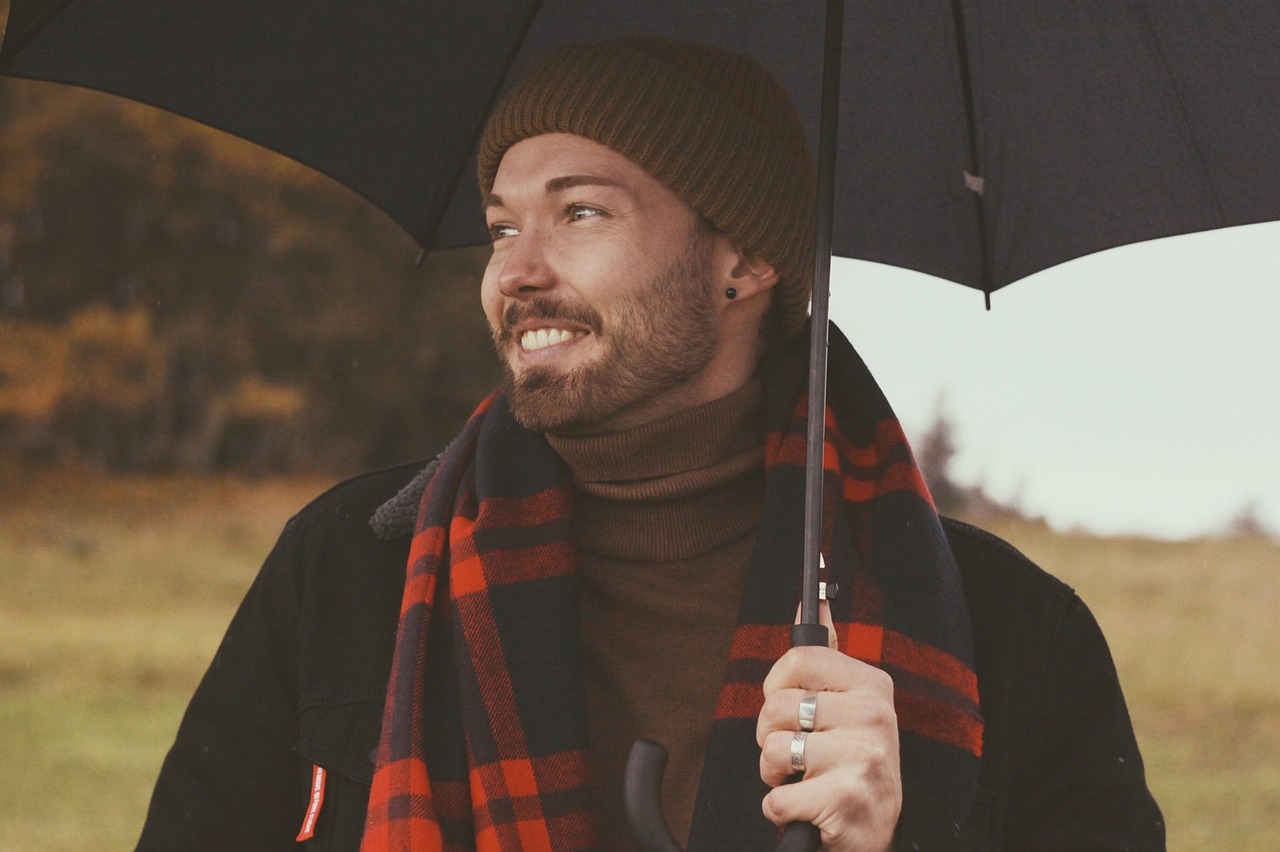
Grunge is the most recognizable early-90s menswear reference. It grew from alternative music culture and favored clothes that looked affordable, secondhand and lived in. Typical pieces included plaid flannel shirts, faded denim, thermal tops, cardigans, band T-shirts and sturdy boots. The famous Marc Jacobs grunge collection for Perry Ellis in the early 1990s is frequently cited by fashion writers as the moment when a street-level music look entered the high fashion debate.
To wear it now, keep the texture but control the fit. A plaid overshirt over a white tee with straight-leg jeans feels current. Torn jeans, multiple distressed layers and heavy accessories all at once can quickly look costume-like.
Hip-hop volume and sportswear
Hip-hop style gave 90s male fashion much of its confidence. The National Museum of African American History and Culture has described hip-hop dress through pieces such as tracksuits, ballcaps, sneakers, gold chains and denim, rooted in Black urban style and self-expression. In the 1990s, that language became increasingly visible in mainstream fashion through oversized jerseys, baggy jeans, logo sweatshirts, athletic jackets, Timberland-style boots and statement sneakers.
The modern version works best when the silhouette is intentional. Choose one oversized piece, such as a roomy hoodie or relaxed denim, and pair it with something cleaner. Full oversized dressing can work, but it needs proportion, not just size.
Skate and streetwear practicality
Skate style overlapped with grunge and hip-hop, but its logic was practical: clothes had to move, handle wear and look unpolished. Straight or baggy jeans, cargo pants, graphic tees, beanies, wallet chains, canvas sneakers and open button-downs all fit this lane. The appeal today is clear because many modern streetwear basics still follow the same formula: relaxed pants, simple tops, strong footwear and functional outerwear.
For a subtle skate-inspired outfit, start with loose chinos or carpenter pants, a heavyweight tee and low-profile sneakers. Add a flannel or coach jacket if you want more of the decade’s mood.
Minimalism and relaxed tailoring
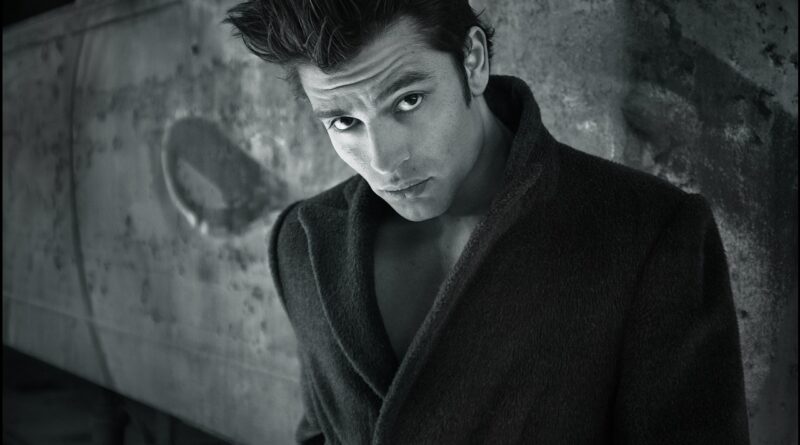
The 1990s were not only about messy layers. Fashion institutions such as The Museum at FIT also highlight minimalism as a major 1990s theme. For men, this showed up in plain black or white tees, neutral knitwear, clean leather jackets, simple button-down shirts, relaxed trousers and suits with easy shapes. The palette was often black, gray, navy, camel, white or stone.
This is the easiest 90s reference to wear in a polished way. A black crew-neck tee, relaxed pleated trousers and loafers can read 90s without looking dated. A slightly boxy blazer over a plain tee also captures the decade’s softer approach to tailoring.
Key pieces that define the look
The strongest 90s outfits usually start with a few recognizable items. You do not need all of them; two or three are enough to set the direction.
- Relaxed denim: Straight-leg, loose-fit and light-wash jeans are central. Avoid jeans that are too skinny if the goal is an authentic 90s line.
- Plaid flannel shirts: Wear them open over tees, tied at the waist for a stronger retro reference, or buttoned as a casual overshirt.
- Graphic and band tees: These connect the look to music and youth culture. Faded or washed cotton feels more natural than glossy prints.
- Track jackets and windbreakers: Nylon, color blocking and sports logos help capture the decade’s athletic influence.
- Cargo pants and carpenter pants: These add the utility side of the 1990s, especially when worn with simple tops.
- Chunkier sneakers and boots: Footwear gives the silhouette weight. Canvas sneakers, basketball shoes and work boots all fit different parts of the decade.
- Boxy outerwear: Denim jackets, leather bombers, chore jackets and coach jackets work better than sharply tapered coats.
The common thread is ease. 90s menswear rarely looked overly pressed, even when it was expensive. The clothes had space between the body and the fabric, and that space is what makes the style feel relaxed. See also: Outfit Ideas.
How to wear 90s style now without looking dated
The best modern 90s-inspired outfits use contrast. If the jeans are loose, keep the top more controlled. If the jacket is boxy, wear a plain tee underneath. If the colors are nostalgic, keep the accessories simple. This keeps the outfit from looking like a theme-party version of the decade.
Try these outfit formulas:
- Grunge casual: Plaid flannel, white tee, straight-leg faded jeans and black boots.
- Clean minimalist: Black tee, relaxed wool trousers, loafers and a boxy blazer.
- Hip-hop inspired: Oversized sweatshirt, loose dark denim, retro sneakers and a simple cap.
- Skate weekend: Graphic tee, carpenter pants, canvas sneakers and an open overshirt.
- Sporty late-90s: Track jacket, plain tee, relaxed jeans and chunky trainers.
Color matters too. Early grunge outfits leaned into muted plaids, washed denim, gray, olive, burgundy and brown. Hip-hop and sportswear could be brighter, with red, royal blue, green, yellow, white and black appearing in bolder combinations. Minimalism went the other way, favoring neutrals and simple blocking.
What to avoid when styling the trend
The biggest mistake is treating 90s male fashion as a checklist. Baggy jeans, a chain wallet, a backward cap, a flannel, a jersey and chunky sneakers in one outfit may be historically recognizable, but it can feel forced. A better rule is to build around one dominant 90s reference and let the rest of the outfit support it.
Also avoid confusing relaxed fit with poor fit. The 1990s used volume, but the best looks still had shape. Jeans should sit properly at the waist, outerwear should have an intentional shoulder, and oversized tops should not completely hide the body unless that is the chosen silhouette.
Finally, be careful with cultural references. Hip-hop style is not just an aesthetic mood board; it comes from specific communities, music histories and forms of self-expression. Wearing the influence respectfully means understanding the context and avoiding caricature.
Frequently asked questions
What did men wear in the 90s?
Men wore relaxed jeans, flannel shirts, graphic tees, oversized sweatshirts, sports jerseys, track jackets, cargo pants, leather jackets, boots and sneakers. Dressier looks included plain tees with blazers, relaxed suits, pleated trousers and neutral knitwear.
Is 90s male fashion back in style?
Elements of it are widely visible again, especially relaxed denim, boxy jackets, retro sneakers, track tops and minimalist basics. The current version is usually cleaner and more edited than the original decade.
How do I dress 90s without overdoing it?
Start with one obvious piece, such as loose jeans, a flannel shirt or a track jacket. Then balance it with modern basics. Keep the outfit simple, make sure the fit is intentional and avoid stacking every 90s reference together.
What shoes work with 90s-inspired outfits?
Canvas sneakers, retro basketball shoes, chunky trainers, work boots and simple loafers can all work. Choose the shoe based on the lane: sneakers for streetwear, boots for grunge, loafers for minimalist tailoring.
What is the easiest 90s outfit for men today?
A white T-shirt, relaxed straight-leg jeans, an open plaid overshirt and simple sneakers is the easiest starting point. It signals the decade clearly but still feels wearable for everyday style.