
Are Cute Halloween Costumes Redefining Family Trends for 2026
Cute and Creative 2026 Halloween Costume Ideas for Kids and Families
Halloween in 2026 is less about fright and more about charm. The rise of cute Halloween costumes reflects how families now celebrate creativity, warmth, and emotional connection rather than fear. Pop culture, technology, and shifting family values have redefined costume design into something inclusive, interactive, and visually delightful. From coordinated family outfits to AI-personalized designs, the trend blends aesthetics with meaning. This article explores how cultural evolution, consumer behavior, and digital innovation are shaping the next phase of Halloween’s visual identity.
The Cultural Shift Toward Cute Halloween Costumes
The transformation of Halloween aesthetics reveals a broader cultural realignment. What once symbolized darkness and horror now celebrates approachability and emotional resonance.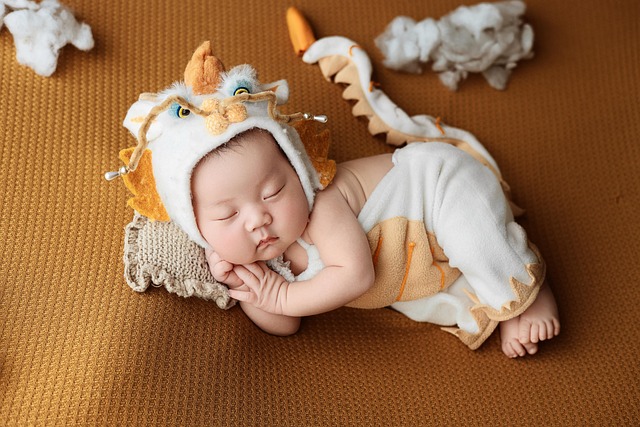
The Evolution of Halloween Aesthetics
Traditional Halloween once celebrated the eerie—ghosts, witches, and monsters dominated costume choices. Over time, these motifs softened as society favored humor and relatability. By the early 2020s, social media platforms amplified this shift: viral videos of toddlers dressed as pumpkins or pets in superhero outfits captured millions of views. Influencer culture accelerated this movement by promoting photogenic costumes that perform well on camera. As a result, cute Halloween costumes became not just a fashion statement but a social media strategy.
The Role of Pop Culture in Costume Design
Pop culture drives costume design cycles more than any other factor today. Animated films from major studios introduce characters that quickly become seasonal favorites. Streaming platforms release family-oriented series whose aesthetics translate easily into wearable form—think pastel color palettes or minimalist character icons. Families often coordinate around shared fandoms such as animated adventures or nostalgic reboots. This cross-generational appeal normalizes “cute” as an acceptable adult aesthetic while reinforcing its dominance among children.
Family Dynamics and Coordinated Costume Trends
As families embrace shared experiences over individual expression, coordinated costumes have become a symbol of togetherness during seasonal festivities.
The Rise of Family-Themed Costumes
Family-themed costumes reflect modern households’ desire for unity through visual storytelling. Parents select cohesive themes—bees and flowers, astronauts and planets—that allow each member to participate equally. Retailers now offer bundled sets designed for all ages, simplifying purchase decisions while enhancing group aesthetics. These packages often include accessories for pets too, extending inclusivity to every household member.
Psychological and Social Implications of Cute Costumes
“Cuteness” triggers instinctive positive emotions such as affection and protection. In family contexts, it reinforces bonds through shared participation in joyful rituals. Non-threatening imagery also fits school events or community parades where inclusivity is valued over shock value. On social media platforms like Instagram or TikTok, visually harmonious costumes generate higher engagement rates because they project warmth and authenticity—qualities audiences increasingly seek online.
Market Analysis: The Economic Influence of Cute Halloween Costumes
The commercialization of cuteness has reshaped retail strategies across the seasonal apparel sector.
Shifts in Consumer Spending Patterns
Parents now prioritize comfort fabrics, safety features like reflective trims, and overall visual appeal when purchasing cute Halloween costumes. Instead of investing in horror props or makeup kits, spending shifts toward soft textiles or eco-friendly materials such as organic cotton or recycled polyester. This trend supports niche markets focused on handcrafted designs that emphasize sustainability over spectacle. Seasonal marketing campaigns highlight wholesomeness—smiling pumpkins replace skeletons on packaging—to attract broad demographics.
Retail Innovation in Costume Production and Distribution
Retailers employ AI-driven analytics to predict emerging character trends months before peak season. Predictive modeling identifies which cute archetypes—like baby animals or animated robots—will dominate sales charts. Online customization tools allow families to co-design costumes collaboratively by choosing colors or adding embroidered names. Fast fashion chains adapt quickly with limited-edition releases that balance affordability with originality, ensuring freshness each October without overproduction waste.
Technological Integration in 2026 Costume Design Trends
Technology has quietly revolutionized how cute Halloween costumes are conceptualized, produced, and worn.
Smart Fabrics and Interactive Elements in Cute Costumes
In 2026, smart textiles integrate LEDs that twinkle gently rather than flash aggressively—a subtle nod to both safety and style. Motion sensors trigger sound effects when children move while augmented reality patches bring characters to life through mobile apps. Designers focus on blending these features seamlessly into soft silhouettes so technology enhances rather than overwhelms the cuteness factor. Visibility at night remains a core function; glowing outlines improve safety during trick-or-treating without compromising charm.
Digital Platforms Shaping Costume Inspiration and Purchase Behavior
Virtual try-on tools powered by augmented reality let families preview coordinated looks before ordering online. These simulations reduce return rates while boosting satisfaction levels since buyers can visualize fit across different body types simultaneously. Social commerce platforms curate trending “cute” styles algorithmically based on engagement metrics from influencers’ posts. Collaborations between digital creators and retail brands shorten adoption cycles—what trends online one week appears on store shelves the next.
Sociological Perspectives on the Redefinition of Family Traditions Through Halloween Aesthetics
The embrace of cuteness mirrors deeper social transformations around identity formation within families.
How Cute Costumes Reflect Changing Family Values in 2026
Modern households increasingly prioritize inclusivity over hierarchy; costume selection becomes a democratic process where even young children contribute ideas. Fear-based imagery feels outdated against today’s emphasis on empathy-driven parenting philosophies that encourage creativity instead of competition for attention. Families treat Halloween as an opportunity for collective self-expression rather than performance anxiety about impressing neighbors or followers online. This new ethos positions “togetherness through design” as central to holiday celebration norms—a visual language uniting generations under one theme.
Future Outlook: Predicting the Next Phase of Cute Costume Evolution Beyond 2026
Looking ahead, aesthetic trends suggest further blending between fantasy minimalism and ecological awareness.
Emerging Aesthetic Directions for Future Halloweens
Designers anticipate hybrid styles combining gentle gothic influences with whimsical elements like lace wings or bioluminescent fabrics inspired by nature’s glowworms. Sustainability will redefine what counts as cute: biodegradable sequins or plant-dyed cotton could replace synthetic glitter entirely by 2030 if current R&D trajectories continue (as projected by IEA’s material innovation reports). Globalization expands inspiration sources too—Japanese “kawaii,” Scandinavian minimalism, and African textile motifs merge into fresh interpretations that broaden cultural definitions of adorableness worldwide.
FAQ
Q1: Why are cute Halloween costumes more popular now?
A: Because modern families prefer warmth over fright; cuteness aligns better with inclusive values and social media aesthetics that favor positivity.
Q2: Do retailers benefit financially from this trend?
A: Yes, retailers gain through bundled family sets and sustainable product lines that attract repeat buyers seeking safe yet stylish options.
Q3: How does technology enhance cute costume design?
A: Smart fabrics add gentle lighting effects while AR tools enable interactive storytelling without sacrificing comfort or softness.
Q4: Are traditional scary costumes disappearing?
A: Not entirely—they coexist but occupy niche markets; mainstream demand clearly leans toward approachable visuals suitable for all ages.
Q5: What will define cute costume trends after 2026?
A: Expect eco-conscious materials combined with multicultural influences creating hybrid designs that balance fantasy with responsibility.