

Winter outfit ideas that balance warmth, style, and real-life layering
Start with the goal of a winter outfit
The best winter outfit ideas do more than place a heavy coat over regular clothes. A good cold-weather look needs to keep warmth close to the body, manage moisture so you do not feel clammy, and still look intentional once you are indoors. In practice, that usually means layers instead of bulk: a smooth base layer, an insulating middle layer, a weather-appropriate outer layer, and footwear that suits the ground conditions.
Style comes from the details around that structure: proportion, texture, color, and accessories. The outfit formulas below are built for real winter routines, including commuting, casual weekends, office days, dinners, holiday plans, and cold-weather travel.
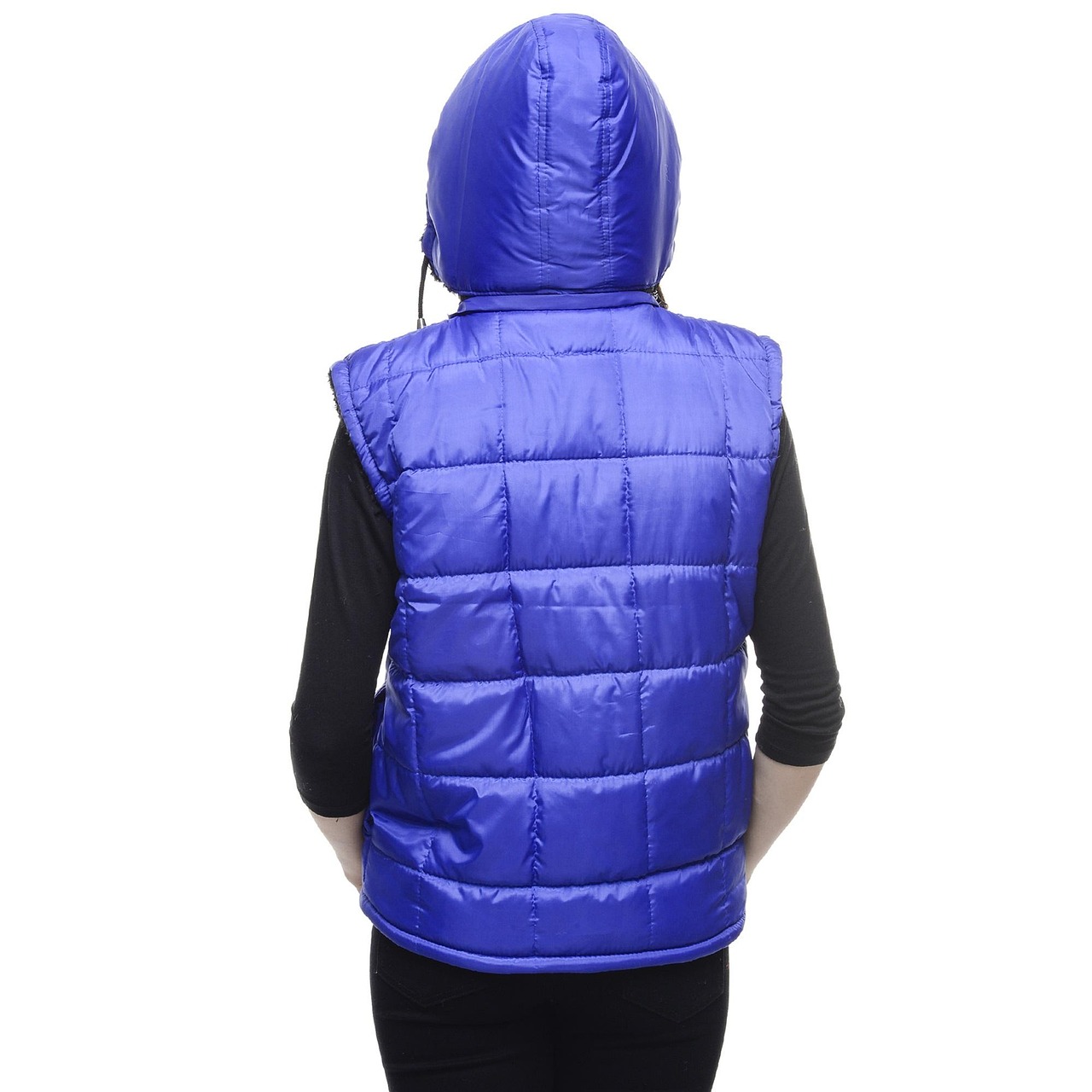
Because winter weather can shift quickly, treat these ideas as flexible formulas rather than fixed rules. A mild 45°F day may only call for wool, denim, and a structured coat. A windy 20°F day needs more coverage, such as thermal layers, covered ankles, gloves, and a coat that blocks wind. The National Weather Service emphasizes that wind chill affects how cold the air feels on exposed skin, so winter dressing should account for wind as well as the thermometer.
How to build a winter outfit that actually works
A useful winter outfit starts closest to the skin. Choose a base layer that sits smoothly under clothes and helps manage sweat. Lightweight merino wool, silk blends, and modern synthetic thermals are common choices because they add warmth without obvious bulk. Cotton can feel comfortable indoors, but it absorbs moisture and dries slowly, which makes it less practical as a first layer on very cold or snowy days.
The second layer is where much of the outfit’s visual style appears. Fine-gauge turtlenecks, crewneck sweaters, cardigans, fleece pullovers, flannel shirts, sweater vests, and quilted liners all work well here. This layer should be warm and polished enough to wear when the coat comes off indoors, so it deserves as much attention as the outerwear.
The third layer is the coat or jacket. Wool coats, parkas, puffers, shearling-style jackets, and insulated trenches solve different problems. A wool coat looks polished and performs well in dry cold. A down or synthetic puffer offers lightweight insulation. A parka with a hood is practical for wind, snow, and long walks. A water-resistant shell or coated outer layer becomes more important when the forecast includes wet snow or rain.
Accessories make a measurable difference in true winter conditions. A scarf protects the neck opening, a hat reduces heat loss from an exposed head, and gloves make commuting or walking much easier. Socks matter too: wool or wool-blend socks are warmer and more comfortable than thin cotton socks in cold, damp conditions.
Everyday winter outfit ideas for casual plans
Casual winter dressing works best when the base outfit is simple and the texture carries the look. Denim, corduroy, brushed cotton, wool knits, suede-look fabrics, fleece, and quilted materials all make an outfit feel seasonal without relying on loud prints.
Straight-leg jeans, turtleneck, and wool coat
This is one of the most reliable winter formulas because it is clean, warm, and easy to adjust. Start with straight-leg or relaxed jeans, add a slim turtleneck, and layer a wool coat on top. Finish with ankle boots or loafers worn with warm socks. For a more current silhouette, let the jeans fall over the top of the boot instead of tucking them in tightly.
Puffer jacket, knit set, and winter sneakers
A matching knit set gives the comfort of loungewear but looks more considered than sweatpants. Pair it with a cropped or hip-length puffer jacket and insulated sneakers or weather-resistant trainers. This outfit works for errands, coffee runs, school drop-offs, or travel days when comfort matters but a coordinated look still feels appropriate.
Oversized sweater, midi skirt, and tall boots
A midi skirt can work in winter when the rest of the outfit balances the exposure. Choose a heavier knit, wool-blend, denim, leather-look, or satin skirt with thermal tights underneath. Add an oversized sweater and tall boots to reduce exposed skin. If the sweater is very relaxed, a belted coat can bring shape back to the outfit.
Flannel shirt, quilted vest, and corduroy pants
For a practical weekend look, combine a flannel shirt with a quilted vest and corduroy or canvas pants. The warmth comes through texture rather than heaviness, and the outfit layers easily under a parka if the temperature drops. Brown, olive, navy, cream, and charcoal all fit a classic winter palette.
Polished winter outfit ideas for work
Office winter outfits need to solve two competing problems: the commute may be cold, while the workplace may be heavily heated. Removable structure is the safest approach. Build an outfit that looks complete without the coat, then add outerwear that protects it outdoors.
Tailored trousers, fine sweater, and long coat
Wide-leg or straight tailored trousers look refined with a fine merino sweater or cashmere-style knit. A long wool coat keeps the line clean and makes the outfit feel deliberate. Add pointed ankle boots, loafers, or sleek flats depending on the dress code. If the office is formal, choose a sweater in black, navy, camel, gray, burgundy, or ivory.
Blazer, thermal base layer, and dark denim
For smart-casual workplaces, a thin thermal top under a blazer is a practical way to add warmth without softening the outfit too much. Dark straight-leg denim, a leather belt, and Chelsea boots finish the look. This formula also works on days that move from meetings to lunch and then to evening plans.
Knit dress, belt, and knee-high boots
A knit dress is one of the easiest winter work outfits because it is one piece but still looks finished. Choose a midi length for warmth, add a belt if you want definition, and wear knee-high boots underneath. On colder days, add thermal tights and a long coat. Ribbed knits tend to feel more casual, while smooth, dense knits look more polished.
Monochrome layers with one strong coat
A monochrome outfit can make basic winter pieces look more elevated. Try black trousers, a black turtleneck, black boots, and a camel coat. Or wear gray trousers, a gray sweater, and a charcoal coat. The key is to vary texture so the outfit does not look flat: wool with leather, ribbed knit with smooth trousers, or suede-look boots with a structured coat.
Winter outfit ideas for evenings and holiday plans
Evening winter outfits often fail when they look good indoors but feel uncomfortable outside. A better approach is to use warm fabrics, strategic coverage, and dressy outerwear instead of relying on thin occasion pieces.
Satin skirt, chunky knit, and heeled boots
A satin skirt can feel winter-ready when paired with a chunky sweater and boots. The contrast between shine and texture makes the outfit interesting without much effort. Add thermal tights if needed, then finish with a tailored coat. This works for dinner, casual holiday parties, and winter date nights. See also: Fashion Trends.
Velvet or corduroy trousers with a soft blouse
Velvet and corduroy are useful cold-weather alternatives to lightweight dress pants. Pair either with a soft blouse, fitted knit, or simple button-down. Add a wool coat, structured bag, and heeled ankle boots. Deep colors such as forest green, wine, espresso, navy, and black feel especially appropriate in winter.
Slip dress over a thin turtleneck
A slip dress does not need to disappear after fall. Layer it over a thin turtleneck or long-sleeve knit, then add boots and a coat. This formula works best when the turtleneck is close-fitting so the dress can hang smoothly. If the dress is lightweight, choose a longer coat for warmth.
Black base outfit with statement outerwear
When in doubt, start with a black base: a black knit top, black trousers or skirt, and black boots. Then let the coat carry the outfit. A textured wool coat, faux-fur-style jacket, long wrap coat, or belted puffer can turn simple pieces into a night-out look while still being practical.
Cold-weather travel and commuting outfits
Travel outfits need warmth, mobility, and pieces that can be worn more than once. The most efficient approach is to choose a compact color palette and repeat outerwear, shoes, and accessories. For more outfit planning inspiration, browse the Outfit Ideas section for seasonal styling formulas.
For a winter city trip, pack one long coat, one insulated jacket, two to three sweaters, thermal tops, straight jeans, tailored trousers, leggings or knit pants, wool socks, and weather-resistant boots. A scarf, hat, and gloves take little space but can make the difference between enjoying a walk and cutting the day short.
For flights or train travel, try a base layer, soft knit pants, a crewneck sweater, a long coat, and slip-on boots or sneakers. Avoid outfits that depend on one very heavy piece. Airports, trains, cars, and hotels may all be different temperatures, so removable layers are more comfortable.
For snowy commutes, prioritize traction and coverage. A polished outfit loses its function if the shoes are unsafe or the ankles are exposed to slush. Choose lug-sole boots, taller socks, and pants that do not drag on wet pavement. Cropped pants can still work, but they need tall boots or thermal socks to close the gap.
Color, proportion, and fabric choices that make winter outfits look better
Winter outfits often rely on the same few pieces, so styling details matter. Color is the fastest way to make repeated basics feel fresh. Neutrals such as black, gray, ivory, camel, chocolate, and navy are easy to mix, while seasonal accents like burgundy, pine green, icy blue, red, and metallics add interest.
Proportion is just as important. If the coat is oversized, keep the inner layer slimmer. If the pants are wide, try a shorter jacket or a tucked sweater. If the sweater is chunky, balance it with straight jeans, a midi skirt, or tailored trousers. These small adjustments help winter outfits avoid looking shapeless.
Fabric choice is where comfort and style meet. Wool and wool blends are useful for coats, sweaters, socks, and trousers because they provide warmth and texture. Down and synthetic insulation are common in puffers and parkas because they trap warm air. Weather-resistant shells are valuable in wet conditions. Textile Exchange, an industry organization focused on materials, tracks standards related to recycled polyester, responsible wool, and responsible down, which can help shoppers understand material claims when comparing garments.
Footwear should match both the outfit and the conditions. Chelsea boots, knee-high boots, lug-sole boots, loafers with warm socks, insulated sneakers, and waterproof ankle boots each serve a different purpose. If you live somewhere icy, traction matters more than heel height. If you mostly move between a car and indoor spaces, a sleeker boot may be enough.
A simple winter outfit formula table
| Situation | Base outfit | Outerwear | Best finishing pieces |
|---|---|---|---|
| Casual errands | Straight jeans, thermal tee, chunky sweater | Puffer or quilted jacket | Beanie, wool socks, weather-resistant sneakers |
| Office day | Tailored trousers, fine turtleneck, belt | Long wool coat | Chelsea boots, structured bag, scarf |
| Dinner plans | Satin skirt, fitted knit, thermal tights | Belted coat | Heeled boots, earrings, compact bag |
| Snowy commute | Thermal base, sweater, straight pants | Parka or insulated coat | Lug-sole boots, gloves, hat |
| Winter travel | Knit pants, base layer, crewneck sweater | Long coat or packable puffer | Large scarf, crossbody bag, comfortable boots |
Frequently asked questions
How can I look stylish in winter without feeling bulky?
Use thinner warm layers instead of one oversized layer. A fitted base top, a mid-weight sweater, and a structured coat usually look cleaner than a bulky sweatshirt under a bulky jacket. Keep at least one part of the outfit streamlined, such as slim sleeves, straight trousers, or a defined waist.
What colors work best for winter outfits?
Neutrals are the easiest foundation: black, gray, camel, ivory, navy, and chocolate. Add seasonal color through scarves, sweaters, bags, or socks. Burgundy, deep green, red, soft blue, and metallic accents can make simple winter outfits feel more styled.
Can dresses and skirts work in cold weather?
Yes, if you add coverage and warmth. Choose heavier fabrics or longer lengths, wear thermal tights, and pair skirts or dresses with tall boots. A long coat also helps because it reduces the amount of exposed fabric and skin during the coldest part of the day.
What is the most practical winter shoe?
For many wardrobes, a weather-resistant ankle boot or Chelsea boot with a grippy sole is the most versatile choice. It works with jeans, trousers, skirts, and casual dresses. In snowy or icy climates, prioritize insulation, water resistance, and traction over delicate materials.
How many layers should a winter outfit have?
Most winter outfits work with three main layers: a base layer, an insulating layer, and an outer layer. In mild winter weather, two layers may be enough. In freezing, windy, or snowy conditions, add accessories and consider a second insulating layer such as a vest or cardigan.