Men’s Outfit Style Guide Vs Streetwear Evolution In Summer 2026 Trends
Summer 2026 Menswear Trends That Actually Work in Real Life
The men’s outfit style guide for summer 2026 reveals a shift toward hybrid sophistication. Tailoring is no longer confined to boardrooms, and streetwear has matured beyond its skatepark roots. The season’s direction favors breathable fabrics, modular silhouettes, and refined practicality. Designers are merging structure with ease, resulting in collections that balance performance and polish. Professionals are embracing relaxed fits, tonal palettes, and functional layering that translate effortlessly from work to weekend. In short, the modern man’s wardrobe now values adaptability over rigidity—style that looks sharp yet feels lived-in.
The Intersection of Classic Men’s Outfit Style Guides and Streetwear Evolution
The dialogue between traditional menswear and streetwear has never been more dynamic. What once stood as opposing aesthetics now complement each other through shared craftsmanship and cultural relevance.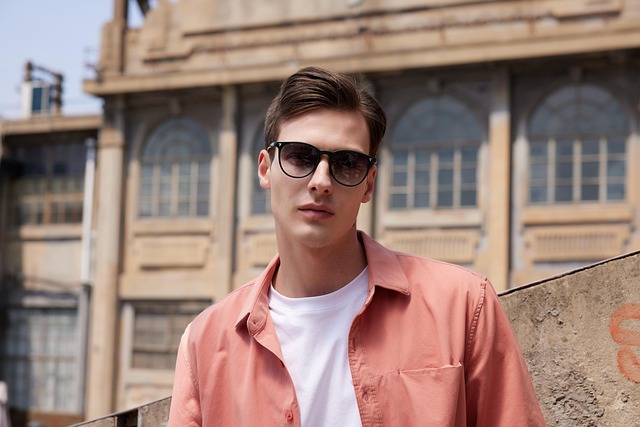
Understanding the Shift in Men’s Fashion Frameworks
Classic tailoring still anchors the men’s outfit style guide for 2026. Structured shoulders, precise seams, and clean lines continue to inform how garments fit and move. Yet, streetwear introduces fluidity—oversized cuts, technical fabrics, and utility-driven details that redefine casual luxury. The fusion creates a wardrobe both practical and expressive. As tailoring adapts to looser silhouettes, professionals reinterpret formality through comfort-driven design.
The Influence of Cultural and Social Dynamics on Style Evolution
Cultural exchange accelerates fashion’s evolution. Globalization allows Tokyo’s minimalist sensibility to mingle with Milanese tailoring within one collection. Digital platforms amplify this cross-pollination, letting subcultures shape mainstream aesthetics overnight. Sustainability also plays a defining role; recycled fibers and ethical sourcing are now standard expectations rather than niche ideals. Inclusivity further drives innovation as designers embrace diverse body types and gender-neutral styling.
Key Elements Defining Men’s Outfit Style Guides for Summer 2026
The summer 2026 wardrobe emphasizes lightness—both in fabric weight and visual tone. Designers prioritize breathable materials and unstructured forms suited for rising temperatures.
Refined Tailoring with Functional Adaptations
Tailoring evolves into something softer yet equally intentional. Linen blends, seersucker cotton, and tropical wool dominate collections for their ventilation properties. Relaxed blazers retain structure without stiffness through half-lining or deconstructed builds. Neutral palettes—sand, sage, ivory—allow layering without visual heaviness. This approach keeps elegance intact while accommodating climate realities.
Elevated Essentials and Minimalist Coordination
Core pieces define versatility: tailored shorts paired with Cuban-collar shirts or lightweight blazers build effortless refinement. Monochrome dressing gains traction among stylists seeking cohesion without excess effort. Accessories lean toward craftsmanship—handwoven belts or leather sandals add subtle texture rather than statement volume. Minimal jewelry completes the look with quiet precision.
The Evolution of Streetwear into Contemporary Menswear Codes
Streetwear has matured into a design language of its own. No longer just hoodies and sneakers, it now communicates identity through construction quality and conceptual restraint.
Redefining Streetwear Beyond Casual Expression
Streetwear in 2026 speaks fluently within luxury contexts. Collaborations between heritage houses and urban labels blur market boundaries once considered rigid. Technical outerwear meets fine tailoring; cargo trousers adopt pleated finishes; sneakers feature leather uppers crafted by traditional artisans. This evolution transforms streetwear from rebellion to refinement—a legitimate part of sartorial dialogue.
The Role of Technology in Shaping Streetwear Innovation
Technology reshapes how garments are conceived and worn. Smart textiles integrate cooling microfibers ideal for humid climates while maintaining sleek profiles. Digital pattern-making tools allow designers to deliver near-perfect fits across diverse body shapes with fewer prototypes wasted—a sustainability gain as much as an aesthetic one. Virtual fashion communities further accelerate adoption cycles; what trends online today becomes wearable reality within months.
Comparative Analysis: Traditional Menswear vs Streetwear Aesthetics in 2026
Comparing these two worlds reveals convergence rather than competition. Each borrows elements from the other to stay relevant amid evolving consumer expectations.
Silhouette, Structure, and Proportion Dynamics
Traditional suits emphasize symmetry; lapels align precisely with shoulder lines for balance. Streetwear favors volume—boxy tees layered under cropped jackets or wide trousers paired with fitted tops create visual rhythm instead of uniformity. Hybrid designs like tailored joggers bridge both aesthetics by maintaining polish while offering mobility.
Material Innovation Across Both Styles
Eco-conscious production defines both sectors now more than ever. Organic cottons replace synthetics where possible; recycled nylon brings durability without environmental compromise. Fabric treatments such as moisture-wicking finishes enhance breathability while retaining tactile richness—a critical factor during summer months when comfort dictates wearability more than trend alone.
Practical Styling Strategies for Experts Curating Summer 2026 Looks
Styling today demands fluency across formal codes and street sensibilities alike. The goal is harmony—pieces should converse rather than compete within an outfit.
Integrating Street-Inspired Elements into Refined Outfits
Balance is key when mixing genres: an oversized bomber complements slim-cut trousers better than another loose piece would. Graphic details belong in accessories or footwear rather than dominating entire ensembles; this restraint keeps sophistication intact. Technical fabrics layered beneath classic outer shells add dimension while maintaining practicality during unpredictable weather shifts.
Crafting Cohesive Outfits from Diverse Influences
Experts curate consistency through color story first—muted tones like taupe or navy unify even contrasting textures such as nylon against linen. Fit adjustments matter next; hybrid styling only succeeds if comfort remains uncompromised across movement contexts from office commutes to evening gatherings. Material harmony ties everything together so no element feels misplaced or forced.
Forecasting Future Directions Beyond Summer 2026 Menswear Trends
Looking ahead, menswear continues its trajectory toward personalization and responsibility within design ecosystems shaped by technology and ethics alike.
Anticipated Shifts in Consumer Preferences and Market Response
AI-driven styling apps will soon tailor recommendations based on individual wardrobes rather than generic trends—a move toward smarter consumption patterns predicted by industry analysts at Bloomberg Intelligence (Bloomberg). Circular fashion models expand this ethos further by encouraging repair services integrated into brand operations instead of replacement cycles common today (Reuters). Cross-disciplinary collaborations between engineers and designers promise new textile innovations that merge performance science with artistry—a future where clothing functions intelligently yet remains emotionally resonant.
FAQ
Q1: What defines the men’s outfit style guide for summer 2026?
A: It centers on breathable fabrics, relaxed tailoring, neutral tones, and functional layering that transition smoothly between formal and casual settings.
Q2: How does streetwear influence professional attire today?
A: Streetwear introduces flexibility through technical materials and modular silhouettes that make business-casual dressing more adaptable without losing refinement.
Q3: Which fabrics dominate summer 2026 menswear?
A: Linen blends, lightweight cottons, tropical wool, and recycled synthetics lead due to their cooling properties and sustainable sourcing credentials.
Q4: Are monochrome outfits still relevant?
A: Yes, monochrome coordination remains popular for its simplicity—it highlights texture variation instead of color contrast for a clean yet dimensional effect.
Q5: How will technology impact future menswear design?
A: Smart textiles enhancing comfort plus AI-based personalization tools will redefine how garments are made, fitted, and maintained across global markets by 2027 according to forecasts from Reuters analysts (Reuters).