Mens Outfit Guide For The Races What Defines A Winning Look
What Men Should Wear at the Races — The Ultimate Guide
Race day attire represents more than fashion; it’s a reflection of culture, class, and confidence. For men, dressing for the races means combining timeless tailoring with subtle individuality. The right suit, shirt, and accessories signal respect for tradition while allowing personal flair to shine. This mens outfit guide explains how fabric choice, fit, and finishing details define sophistication. Whether attending a spring meet or winter derby, the goal is balance—between comfort and formality, between modern style and heritage codes. The best-dressed men at the track never overdress; they simply dress right.
Understanding the Essence of Race Day Style
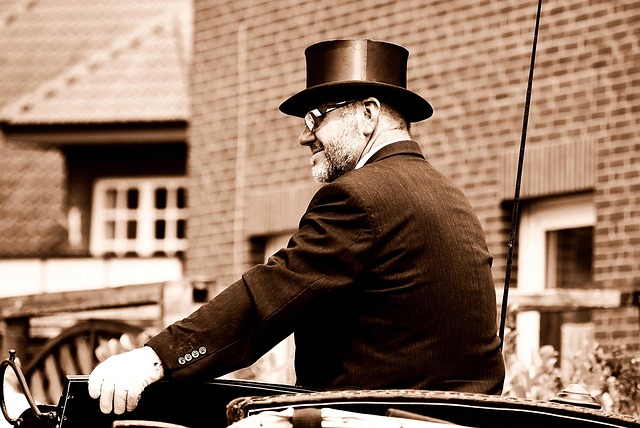
Race day fashion carries deep historical roots that extend beyond the racetrack itself. Each event has its own sartorial expectations shaped by heritage and prestige. For seasoned attendees and newcomers alike, knowing these nuances helps craft a look that feels both appropriate and distinguished.
The Cultural Significance of Dressing for the Races
Race day fashion has long symbolized refinement and social hierarchy. From Royal Ascot in England to the Kentucky Derby in the United States, attire communicates one’s place within tradition. A well-chosen outfit demonstrates respect for event customs while expressing self-assurance. The expectation is not extravagance but polish—an ensemble that feels deliberate without being ostentatious.
Dress Codes Vary by Event Prestige and Location
Each race meeting enforces its own level of formality. Prestigious events often require morning suits or formal jackets, while regional tracks may allow smart casual attire. Understanding these distinctions prevents missteps that could undermine an otherwise impeccable look. Knowing when to wear a tie or remove it matters just as much as selecting it.
Balancing Individuality with Etiquette
Personal style should complement rather than challenge race day etiquette. A gentleman’s creativity lies in color pairing or accessory choice rather than breaking dress rules. Subtle originality—a patterned tie or textured pocket square—adds depth without clashing with tradition.
Interpreting Modern Race Day Dress Codes
Dress codes evolve with time yet remain anchored in decorum. Today’s racegoer faces a spectrum of expectations ranging from relaxed to ceremonial. Recognizing what each code entails allows for confident dressing across any event tier.
“Smart Casual,” “Formal,” and “Black Tie” Each Carry Distinct Expectations
Smart casual calls for tailored trousers with blazers or lightweight suits; formal events demand structured jackets and ties; black tie occasions require tuxedos with precise detailing. Misinterpreting these categories risks appearing underdressed or overdone.
Understanding Event-Specific Guidelines Prevents Style Missteps
Before attending, review official guidelines issued by organizers. Some enclosures specify color restrictions or hat requirements, particularly at heritage venues like Ascot or Flemington. Adhering to these ensures seamless integration into the event’s visual harmony.
The Evolution of Race Day Attire Merges Classic Tailoring with Modern Flair
Contemporary racewear favors lighter fabrics, slimmer cuts, and unexpected hues while maintaining classic structure. Men now mix traditional tailoring with modern accessories—think suede loafers paired with linen suits—to project effortless sophistication.
Crafting the Foundation: The Suit as the Centerpiece
The suit remains central to any mens outfit guide for race day dressing. It defines silhouette, anchors color coordination, and sets tone for accessories that follow.
Choosing the Right Suit Fabric and Color
Season dictates fabric choice: lightweight wool or linen suits excel in warmer months; mid-weight tweeds serve cooler days. Neutral tones like navy or grey provide adaptability across venues, while beige introduces summer charm. Subtle patterns such as checks add dimension without stealing focus.
Tailoring and Fit Considerations
Fit separates elegance from mediocrity. Jackets should contour naturally around shoulders without pulling; lapels must align proportionally to face shape; trousers should break lightly over shoes. Bespoke tailoring refines these proportions into harmony between comfort and structure.
Elevating the Ensemble with Shirts and Accessories
Once the suit foundation is set, complementary elements refine its impact. Shirt texture, collar style, and accessories determine whether an outfit reads polished or pedestrian.
Selecting Complementary Shirts for Race Day Suits
Crisp white shirts remain unmatched in versatility though pastel shades—sky blue or blush—add personality under neutral jackets. Cotton poplin offers smoothness ideal for formal enclosures; twill provides subtle sheen suitable for daytime light.
The Role of Ties, Pocket Squares, and Boutonnieres
Accessories articulate individuality through controlled detail. Silk ties contrast beautifully against matte fabrics; pocket squares inject restrained vibrancy when folded neatly; boutonnieres symbolize seasonal awareness—a small carnation during spring meets adds charm without excess.
Footwear and Finishing Touches That Define Refinement
Footwear grounds an outfit both literally and stylistically. Polished shoes signal discipline while coordinated details complete visual symmetry from head to toe.
Choosing Shoes That Match Occasion Formality
Oxfords represent classic formality suited to structured suits; Derbies offer slightly relaxed refinement; loafers pair well with lighter ensembles during summer events. Matching belt tone to shoe color ensures cohesion often overlooked but instantly noticeable when ignored.
Grooming, Watches, and Other Subtle Details
Attention extends beyond clothing: clean grooming reflects care equal to tailoring precision. A mechanical watch on leather strap suggests quiet confidence more effectively than flashy jewelry ever could. Minimalist cufflinks or tie bars deliver discreet sophistication rather than spectacle.
Adapting to Seasonal Variations in Race Day Fashion
Weather influences not only comfort but also aesthetic coherence. Seasonal adaptation distinguishes amateurs from experts who anticipate climate demands without compromising elegance.
Dressing for Spring and Summer Events
Warm seasons favor breathable materials like seersucker or linen blends that resist overheating under sunlight. Light tones—sand, cream, pale blue—mirror seasonal brightness while sunglasses protect eyes stylishly when chosen in proportionate frames.
Styling for Autumn and Winter Races
Colder months invite heavier textures such as flannel or tweed layered beneath wool overcoats or waistcoats for warmth without bulkiness. Deep hues—burgundy or forest green—complement muted natural light typical of late-year meets.
Expressing Individuality Within Traditional Boundaries
True mastery lies in respecting boundaries while expressing personality subtly through texture play or tonal contrasts rather than flamboyance.
Balancing Creativity with Convention
Statement pieces like patterned socks or velvet ties introduce flair within acceptable limits of decorum. Experimentation succeeds only when balanced against event propriety ensuring attention remains tasteful not theatrical.
The Importance of Confidence in Presentation
Even perfectly tailored garments lose impact if worn timidly. Confidence transforms attire into authority through posture and composure cultivated before stepping onto race grounds.
FAQ
Q1: What colors are most versatile for men’s race day suits?
A: Navy, grey, and beige offer flexibility across seasons while allowing easy coordination with shirts and accessories.
Q2: Are hats necessary at all racing events?
A: Not always; most male attendees reserve hats for highly traditional meetings where etiquette prescribes them explicitly.
Q3: Can men wear sneakers at less formal races?
A: Only if labeled smart casual by organizers; otherwise polished leather shoes remain standard expectation even outside premium enclosures.
Q4: How can one stay comfortable during long outdoor race days?
A: Prioritize breathable fabrics like linen blends paired with moisture-wicking shirts ensuring ventilation throughout extended hours outdoors.
Q5: What defines an expert-level race day outfit?
A: Precision tailoring combined with restraint—every element fits purposefully from lapel width to pocket square fold creating harmony between man and occasion.