Why Are 1960s Fashion Trends Still So Unforgettable?
1960s fashion trends still look current because they were not only about clothes. They came from youth culture, music, space travel, new fabrics, street dressing, and a clear push against older rules. If you track modern style through Fashion Trends, the 1960s are worth a close look because many items in stores now still take ideas from that decade.
There was also a clear market reason behind the shift. The U.S. Census Bureau reported in its 1970 Characteristics of American Youth report that Americans aged 14 to 24 grew from 27.2 million in 1960 to 39.1 million by July 1, 1969, a 44% rise. That larger youth group gave fashion a new customer base, and it pushed clothing away from old couture rules toward pieces that felt faster, cheaper, and more personal.
Why Did 1960s Fashion Trends Change So Fast?
The decade changed quickly because culture changed quickly. Young shoppers had more say, magazines needed new faces, television moved style into family homes, and boutiques made fashion feel closer to weekend shopping than a formal salon visit.
Youth Culture Became the Main Driver
Vogue editor Diana Vreeland used the term Youthquake in 1965, and it describes the period well. Fashion was no longer led only by Paris couture houses and wealthy clients. Young people wanted shorter hems, clear color, lower-priced dresses, and clothes that matched pop records, scooters, college life, and weekend clubs.
Street Style Reached the Boutique
London’s boutique scene helped street style move into the retail market. Shops in Chelsea and around Carnaby Street sold sharp, simple clothes that looked new as soon as they hit the rail. A shopper could buy a plain shift dress, add tights and boots, and get a fresh look without ordering a custom wardrobe.
Television Spread the Look
Mass media helped trends move much faster than before. The Beatles’ official history notes that their February 9, 1964 Ed Sullivan Show appearance reached an estimated 73 million viewers in more than 23 million households. After that, haircuts, slim suits, boots, and a young attitude were not local trends anymore. They had a national stage almost overnight.
Which 1960s Fashion Trends Defined Women’s Style?
Women’s fashion in the 1960s did not follow one single line. Early looks still had some neat 1950s finish, mid-decade style moved into mod and graphic dressing, and late-decade outfits became softer and more bohemian. Even so, a few pieces became the main signs of the decade.
The Mini Skirt and A-Line Dress
The mini skirt is probably the best-known 1960s fashion item, though no one designer can fairly claim the whole idea. The Victoria and Albert Museum notes that Mary Quant was an early ambassador of above-the-knee dressing, while André Courrèges also helped bring shorter hems into high fashion. The A-line mini dress made the look easier for everyday wear. It followed the body without needing a tight or overworked fit.
Go-Go Boots and Colored Tights
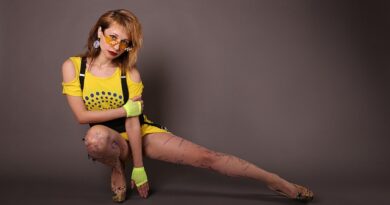
Go-go boots turned short hems into a complete outfit. White or bright patent boots gave mini dresses a clean Space Age base. Colored tights added comfort, coverage, and a stronger color story. This pairing also solved a real dressing problem. A very short dress felt easier to wear when the legs were covered, especially in cooler city weather.
Shift Dresses, PVC, and Paper Fashion
The shift dress worked like a blank base for Op Art prints, plastic shine, and new materials. The Smithsonian National Museum of American History records that Scott Paper Company’s 1966 mail-in paper dress promotion cost $1.25 plus a coupon and shipped more than 500,000 dresses. That detail says a lot about the market at the time. Fashion had become entertainment, advertising, and disposable pop culture at the same time.
How Did Mod Style Shape the Decade?
Mod style gave the 1960s some of its cleanest lines. It looked neat without feeling old, and it used strong color without becoming messy. For anyone building a modern wardrobe with a 1960s reference, mod is one of the easiest directions to use.
Clean Lines and Graphic Color
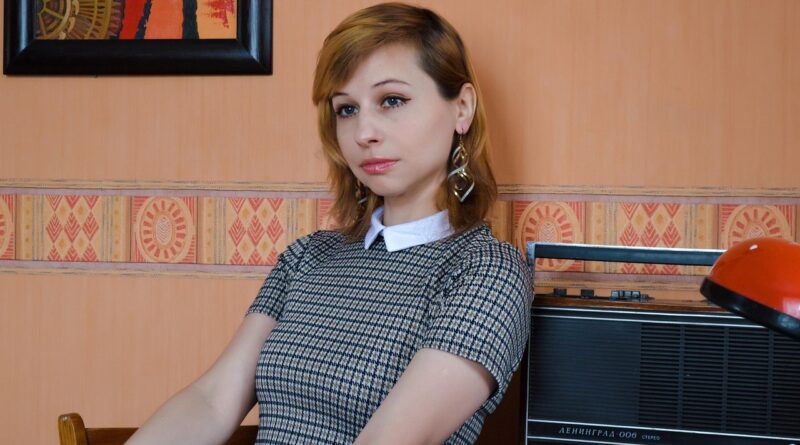
Mod dressing used straight shapes, short skirts, sleeveless tunics, black-and-white contrast, checkerboard patterns, circles, stripes, and blocks of orange, yellow, red, or cobalt. The clothes worked because the shapes were simple. Color carried most of the impact. That is why a plain shift in a strong shade can still look right today.
The London Boutique Scene
The V&A describes how new shops helped weaken the older control of Paris-led fashion. Mary Quant’s Bazaar, Biba, and similar boutiques made shopping feel young and social. Clothes were not kept only for formal events. They were made for music, movement, meeting friends, and being seen on the street.
Men’s Slim Suits and Beatle Boots
Men’s fashion also became less stiff, even when tailoring stayed in place. The V&A’s notes on the Peacock Revolution point to collarless jackets, slim trousers, roll necks, bright shirts, and heeled boots as key changes. A man did not need a loud print to look modern. A narrower cut and cleaner boot shape already did a lot of the work.
Why Did Space Age Fashion Feel So Modern?
The Space Age look reflected the decade’s interest in technology. It was not quiet, and that was part of its appeal. White boots, silver surfaces, helmet-like hats, plastic panels, and structured dresses made fashion look as if it was preparing for the next world.
The Moon Race as a Style Signal
Space was a public story, not a small technical subject. NASA states that an estimated 650 million people watched Neil Armstrong’s first steps on the moon on July 20, 1969. Against that background, metallic fabrics, white mini dresses, and clean futuristic shapes made sense. Clothes were picking up the same subject people were watching on television.
Synthetic Materials and Sharp Shapes
The V&A lists Perspex, PVC, polyester, acrylic, nylon, rayon, and Spandex among the modern materials designers used in the 1960s. These fabrics and plastics helped create easy-care clothing, glossy finishes, and shaped forms. The material was not just a technical choice. It helped sell the idea that new fibers could match a new way of living.
Courrèges, Cardin, and Rabanne
André Courrèges, Pierre Cardin, and Paco Rabanne gave Space Age fashion its strongest high-fashion voice. The Metropolitan Museum of Art describes Cardin as known for geometric shapes, novel materials, and an architectural approach. Rabanne moved even further with metal and plastic pieces. Some of his garments looked more like wearable objects than soft dresses. See also: Outfit Ideas.
How Did Hippie Fashion Change the Late 1960s?
By the late 1960s, the mood became softer and less controlled. The clean mod line gave way to denim, suede, embroidery, fringe, paisley, beads, and secondhand pieces. It was still style, but it looked more personal and less planned.
Denim, Bell-Bottoms, and Patches
The Museum at FIT’s denim research links 1960s denim closely with hippie counterculture, especially bell-bottoms, embroidered denim, patched denim, and faded jeans. Denim worked because it felt open and democratic. Students, musicians, activists, and everyday buyers could all wear it. It also gave people durable pants at a time when clothing was becoming more casual.
Tie-Dye, Paisley, and Fringe
Hippie style used color in a looser way than mod style. Tie-dye swirled, paisley curled, fringe moved, and beads added both sound and texture. The Museum of Fine Arts, Boston, in its Hippie Chic exhibition, highlighted patchwork, tie-dye, beads, fringe, crushed velvet, satin, leather, and eyelet as part of this richer late-decade look. The result was less polished, but it carried a strong hand-made feel.
Vintage Pieces and Global Influences
Late 1960s outfits often mixed vintage jackets, peasant blouses, kaftans, military surplus, embroidered vests, sandals, and jewelry inspired by many cultures. Today, that mix needs more care. The relaxed shape and craft details still work well. At the same time, it is better to avoid costume styling or careless use of sacred cultural dress.
How Can You Wear 1960s Fashion Trends Today?
The easiest modern 1960s outfit usually starts with one clear idea from the decade. A full costume can look forced. One mini shift, one pair of white boots, one sharp mod coat, or one embroidered denim piece often feels more natural.
One Statement Piece at a Time
Choose one main item and give it room. A geometric mini dress can work with plain loafers, while a vinyl-look skirt feels easier with a soft knit. Flared jeans can sit well with a simple tee. If the item already reads as 1960s from a distance, the rest of the outfit should stay quiet.
Better Fabrics for Daily Wear
Original PVC and paper fashion made a clear visual point, but they were not always comfortable or long-lasting. For daily wear, choose cotton twill, stretch denim, modern jersey, vegan leather alternatives, or smooth recycled blends. These fabrics keep the shape without making the outfit hard to wear. They also suit normal washing, sitting, walking, and travel better than many original materials.
Balanced Color and Fit
A practical 1960s-inspired closet might include these pieces:
- A black-and-white shift dress for mod polish
- High-waist flared jeans for late-decade ease
- White ankle boots instead of full costume go-go boots
- A bright turtleneck under a clean jacket
- One paisley scarf or printed blouse for a softer hippie note
The main point is balance. Shorter hems look cleaner with flat shoes or tights. Strong prints feel easier with denim. Flares work best when the hem sits just over the shoe, not dragging through the parking lot, which is a small but very real fitting detail.
FAQ
Q1: Which 1960s Fashion Trend Is Easiest to Wear Today? A: A-line mini dresses, flared jeans, striped knits, and ankle boots are the easiest because they already fit modern wardrobes. Start with one piece rather than copying a full vintage outfit.
Q2: Did Mary Quant Invent the Mini Skirt? A: Mary Quant helped popularize it and became strongly linked with the look, but fashion historians also credit designers such as André Courrèges and wider youth culture. The mini skirt grew from many places at once.
Q3: What Colors Best Represent 1960s Fashion Trends? A: Black and white, orange, yellow, red, cobalt, silver, and bright pink all feel true to the decade. Earth tones, faded denim, and paisley shades fit the late 1960s hippie mood.
Q4: Are 1960s Outfits Good for Men Too? A: Yes. Men can wear slim suits, roll necks, Chelsea or Beatle-style boots, patterned shirts, suede jackets, and clean flared trousers. The look can be sharp without turning into stage wear.
Q5: How Do You Avoid Looking Like You Are Wearing a Costume? A: Mix one 1960s piece with current basics. Keep hair, makeup, and accessories relaxed unless the event is themed. Modern fabric and a good fit make the vintage reference look intentional.